Offer
Provide additional details about the offer you're running.
FLASHSALE


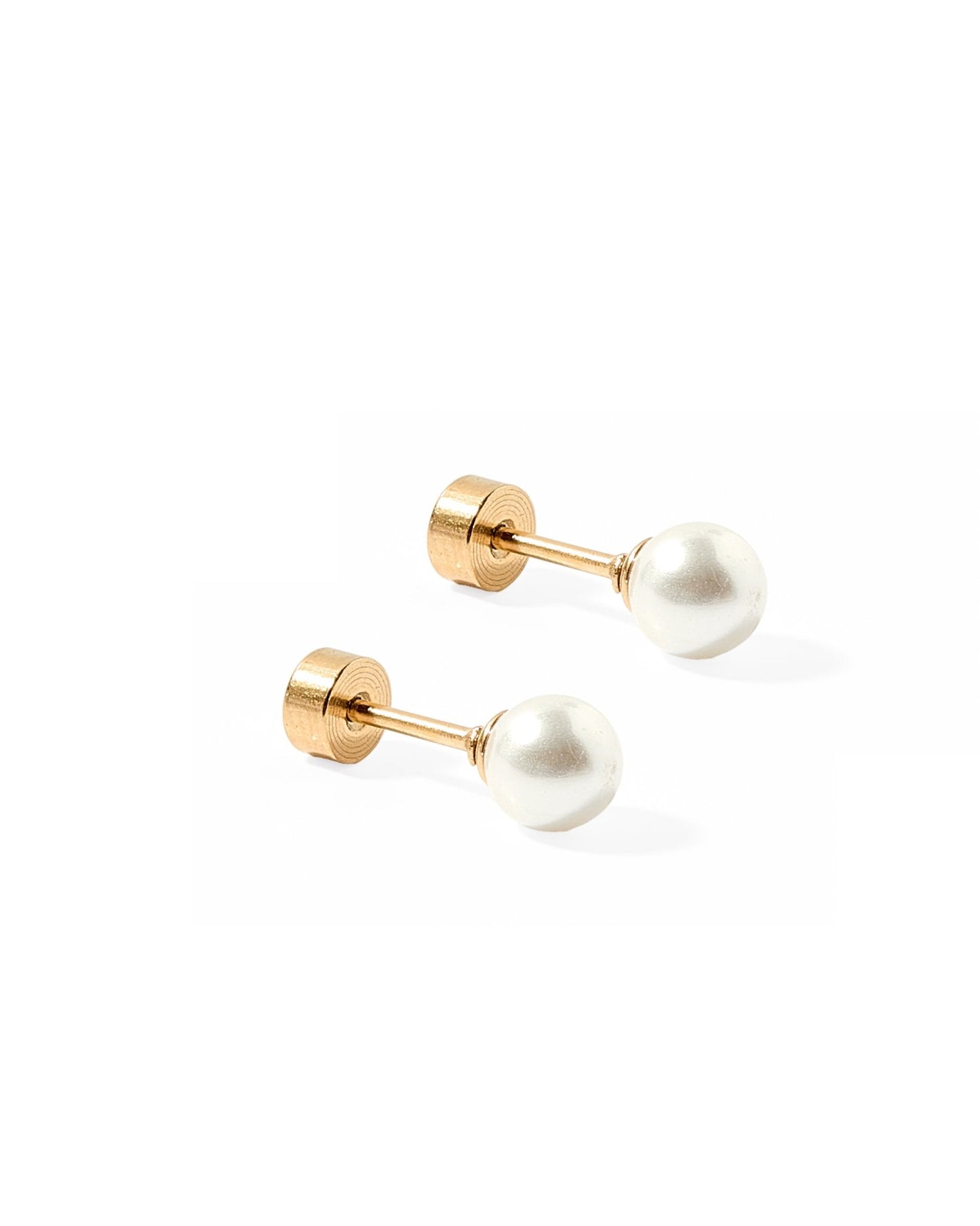
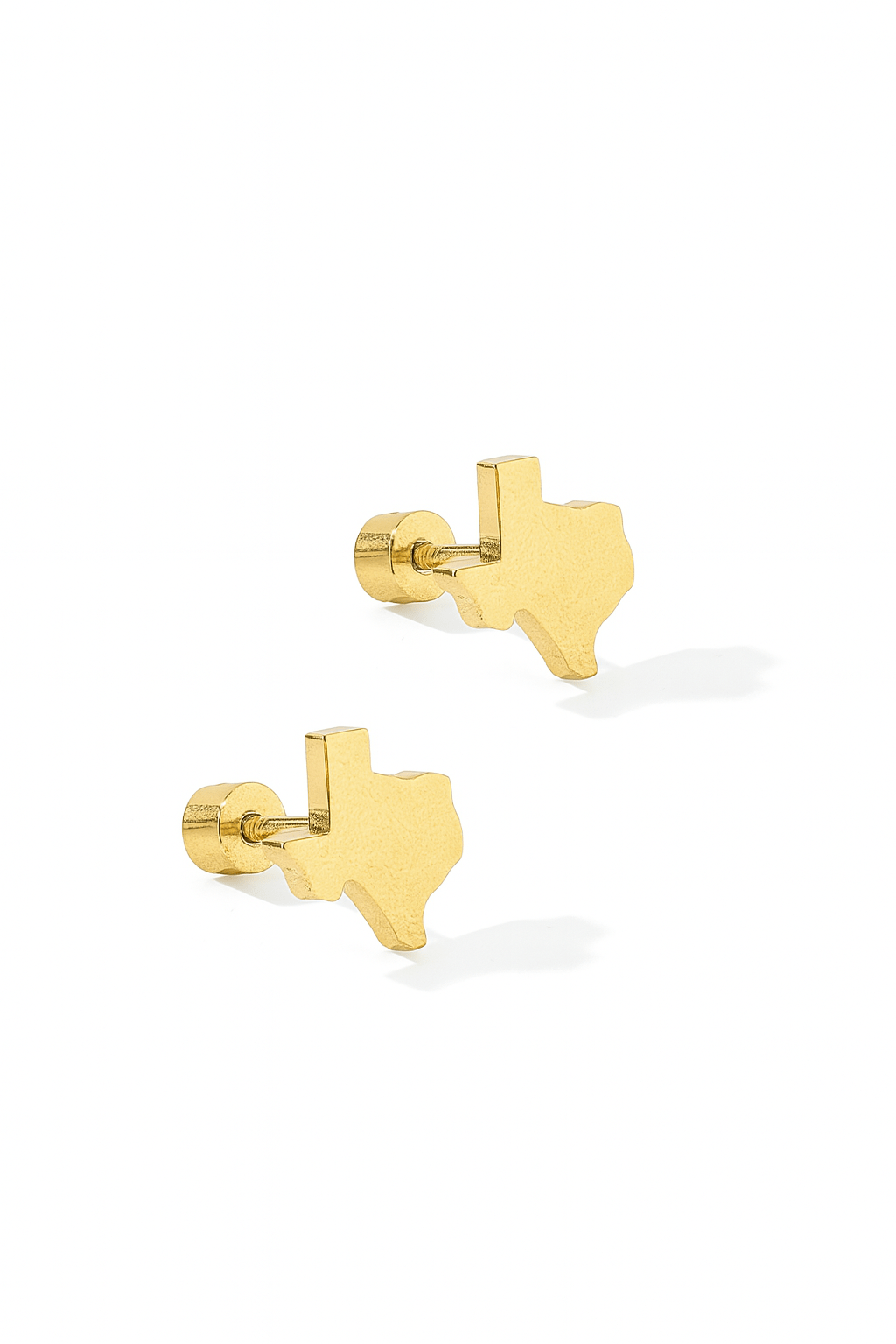
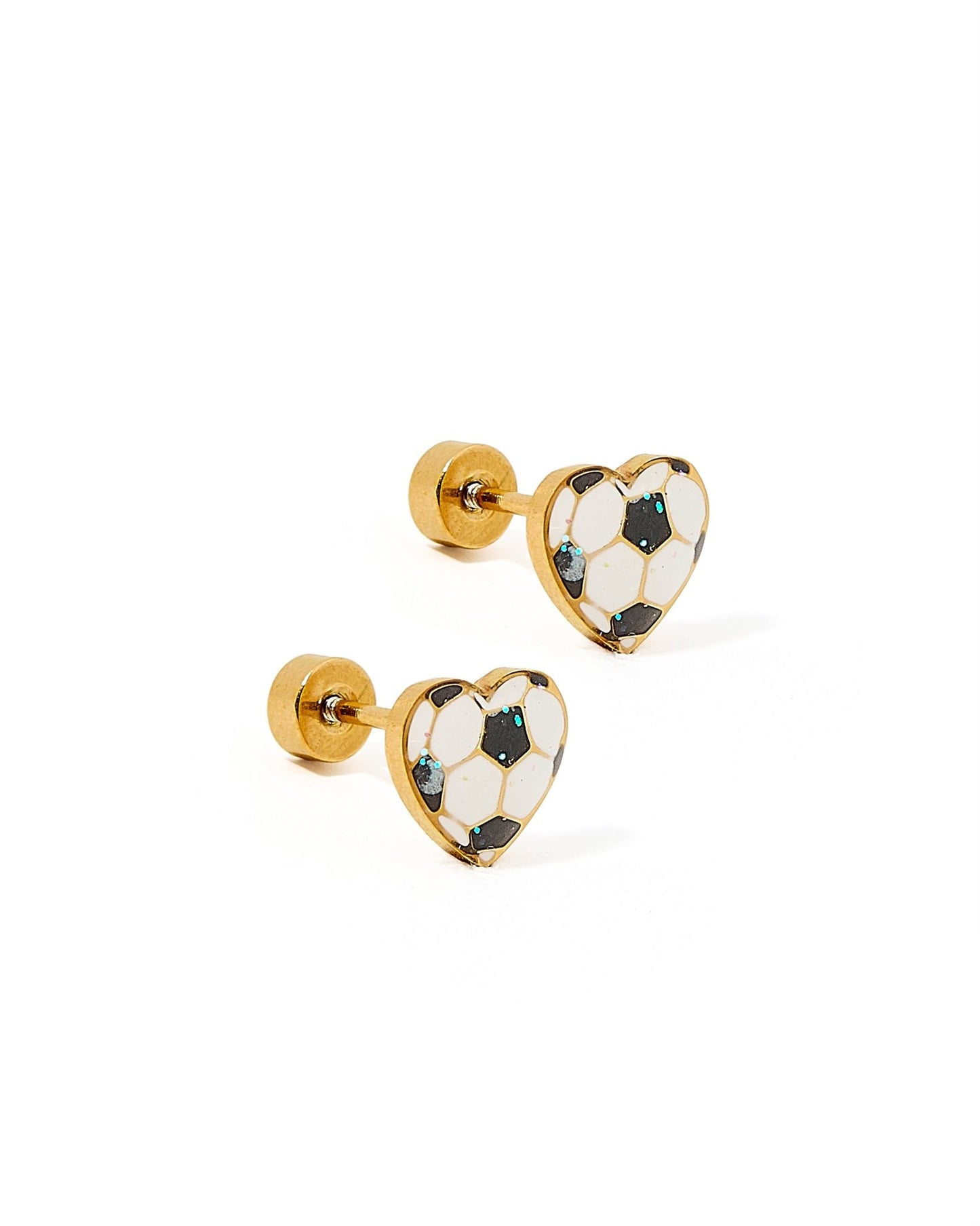
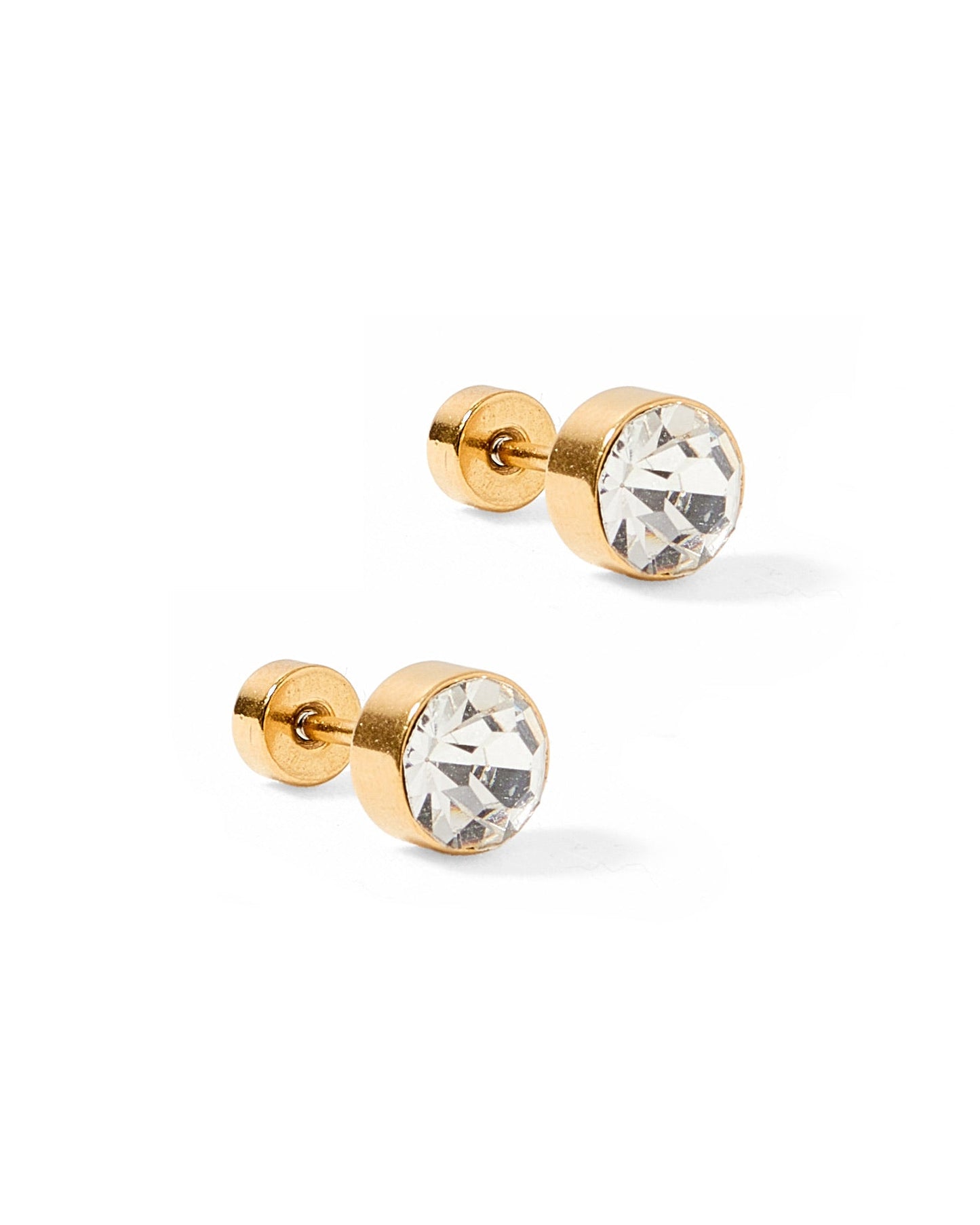
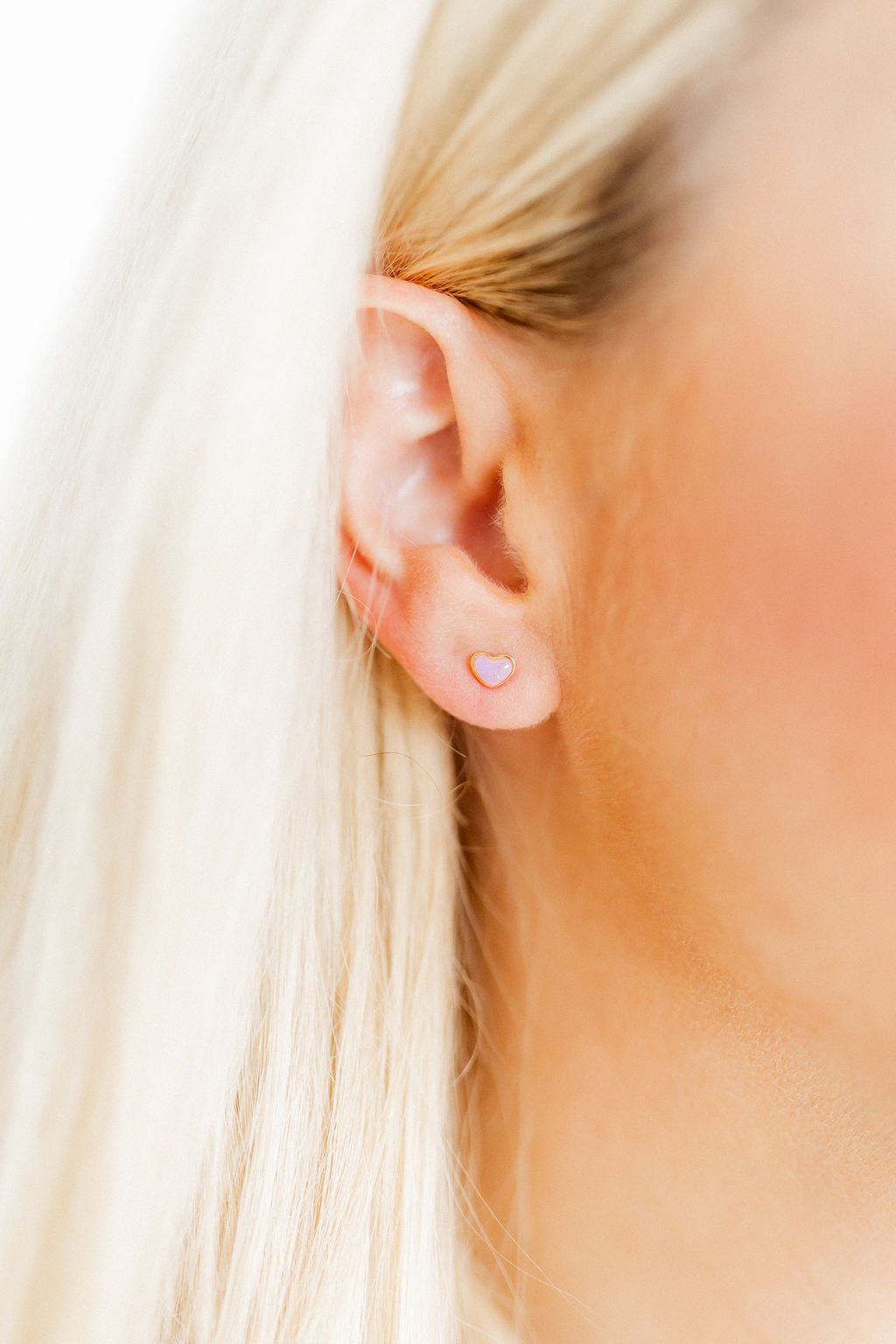
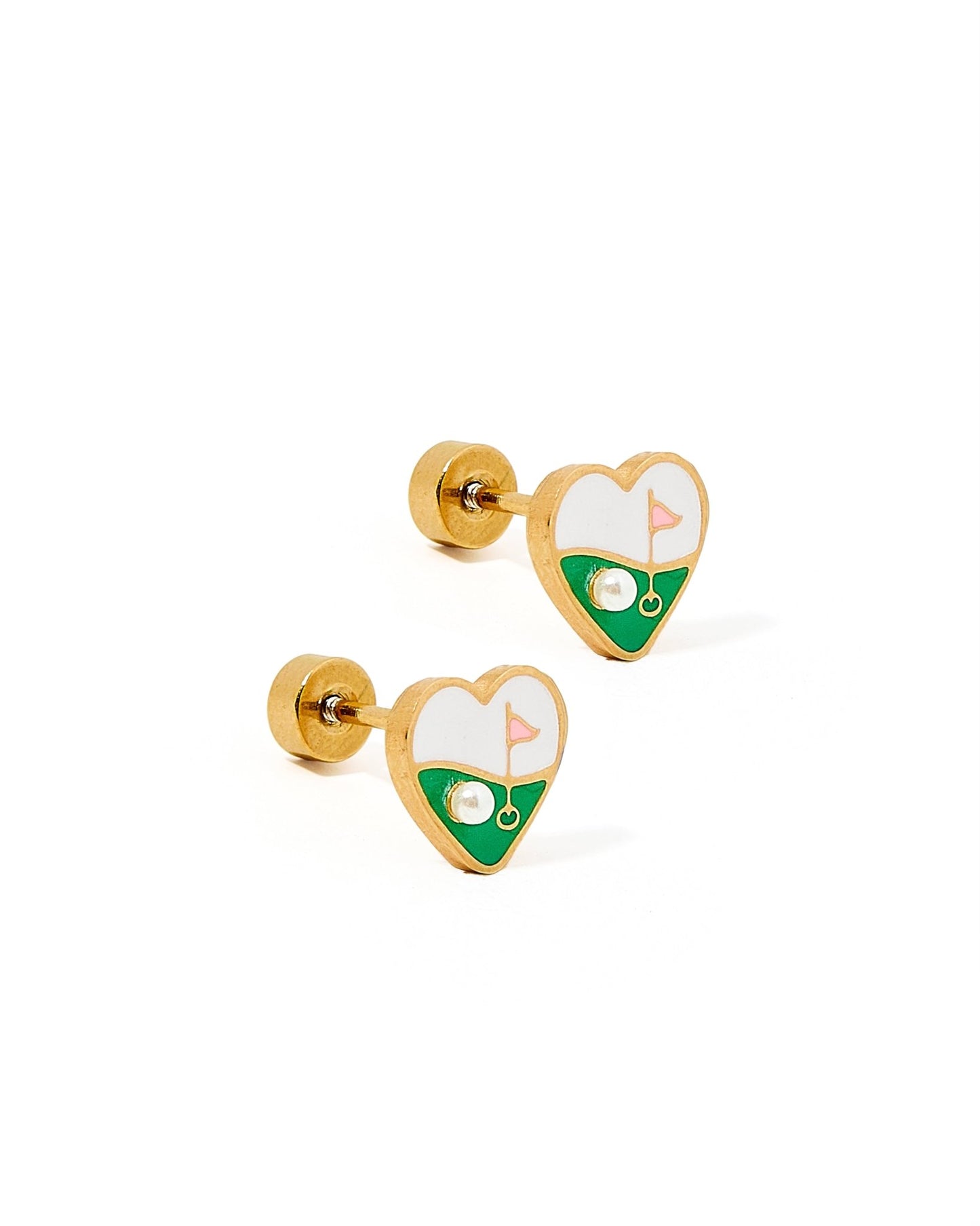
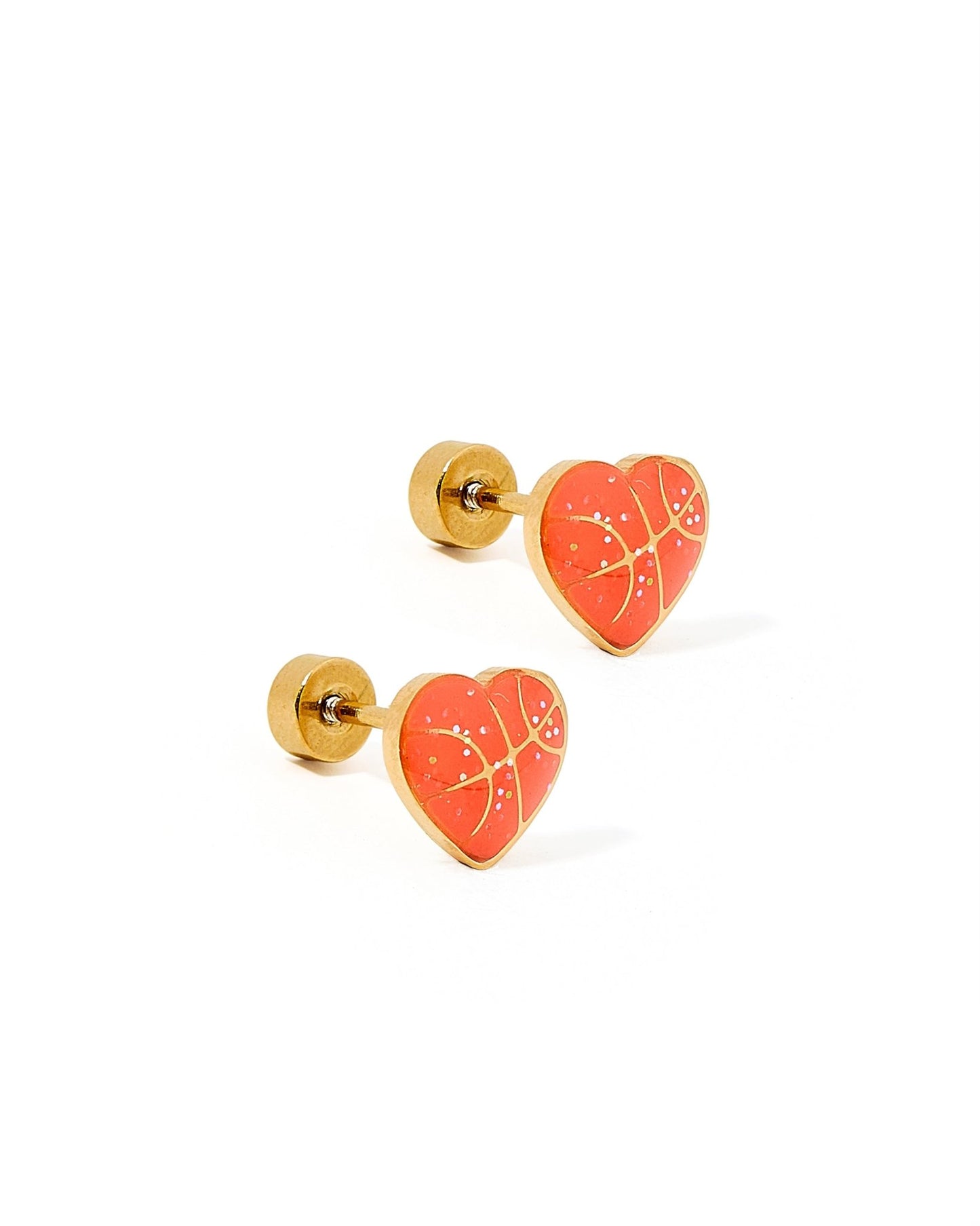
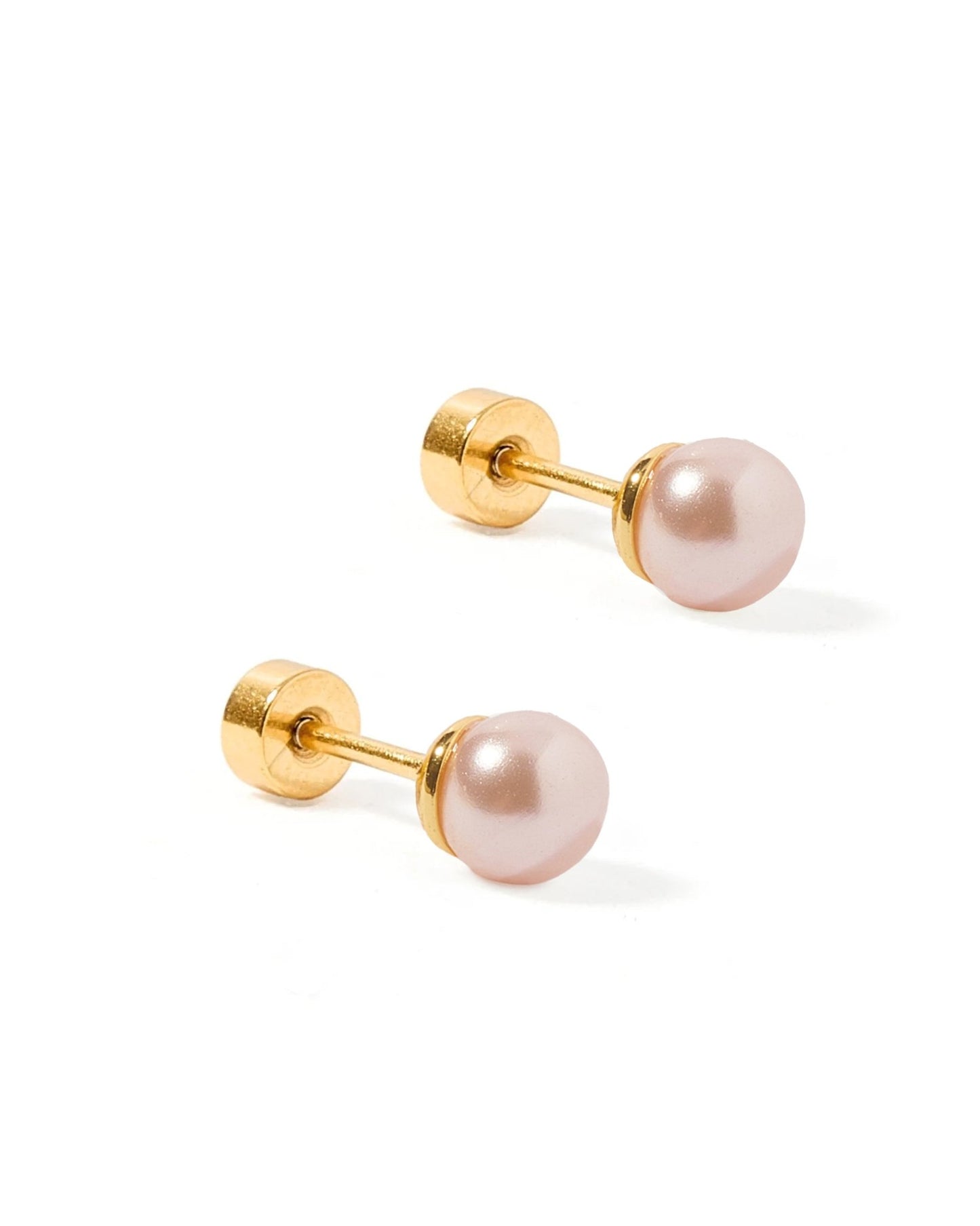
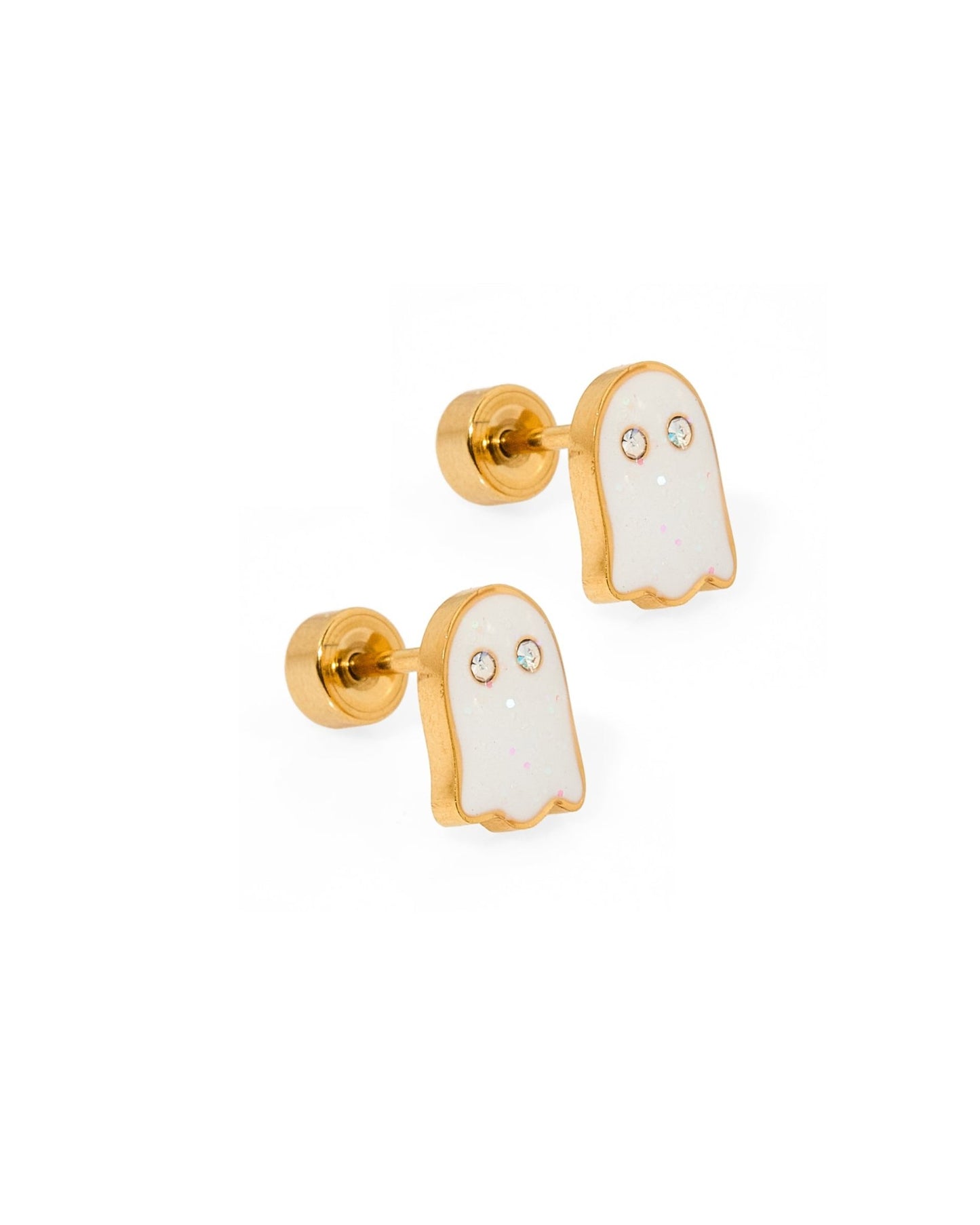
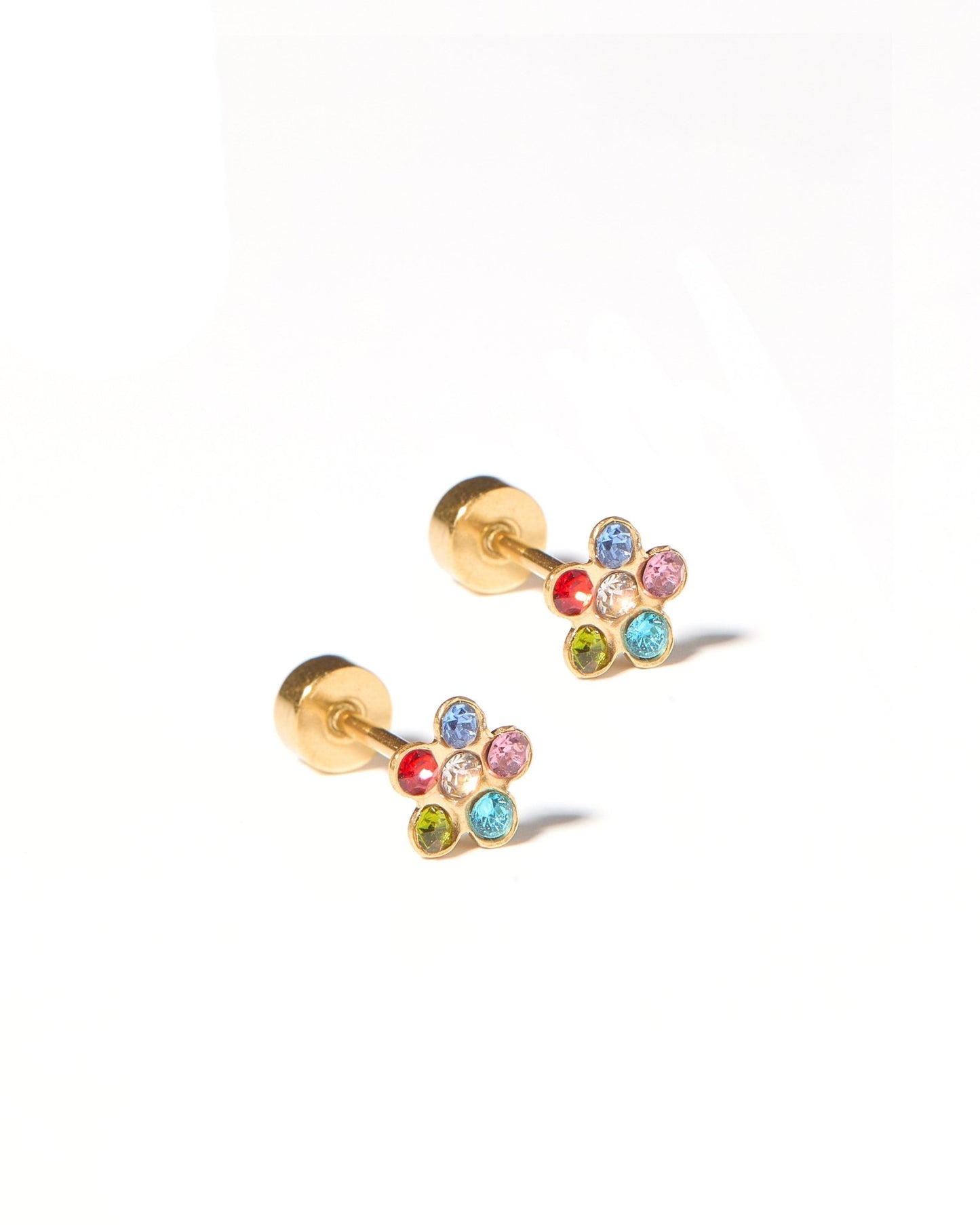
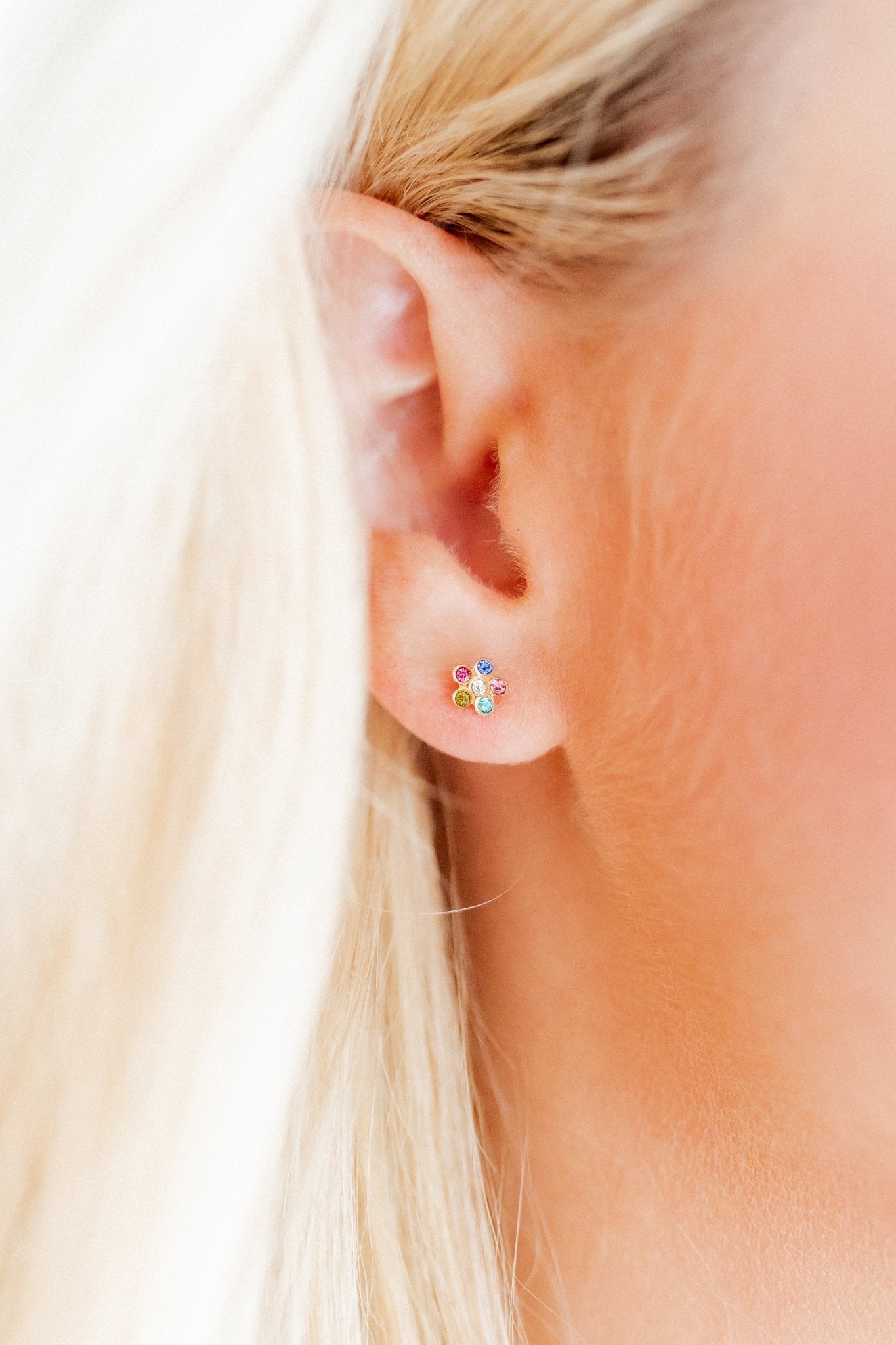
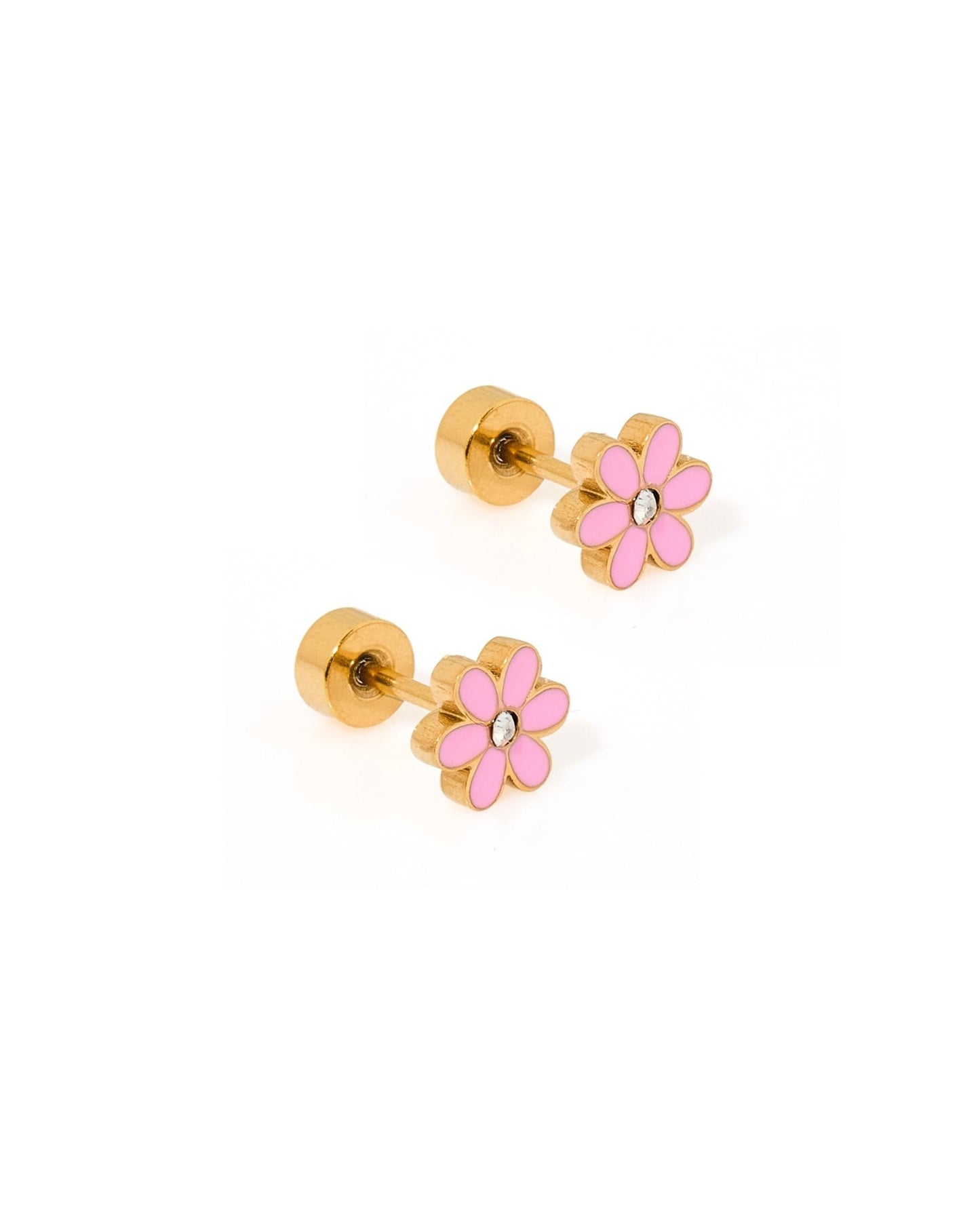
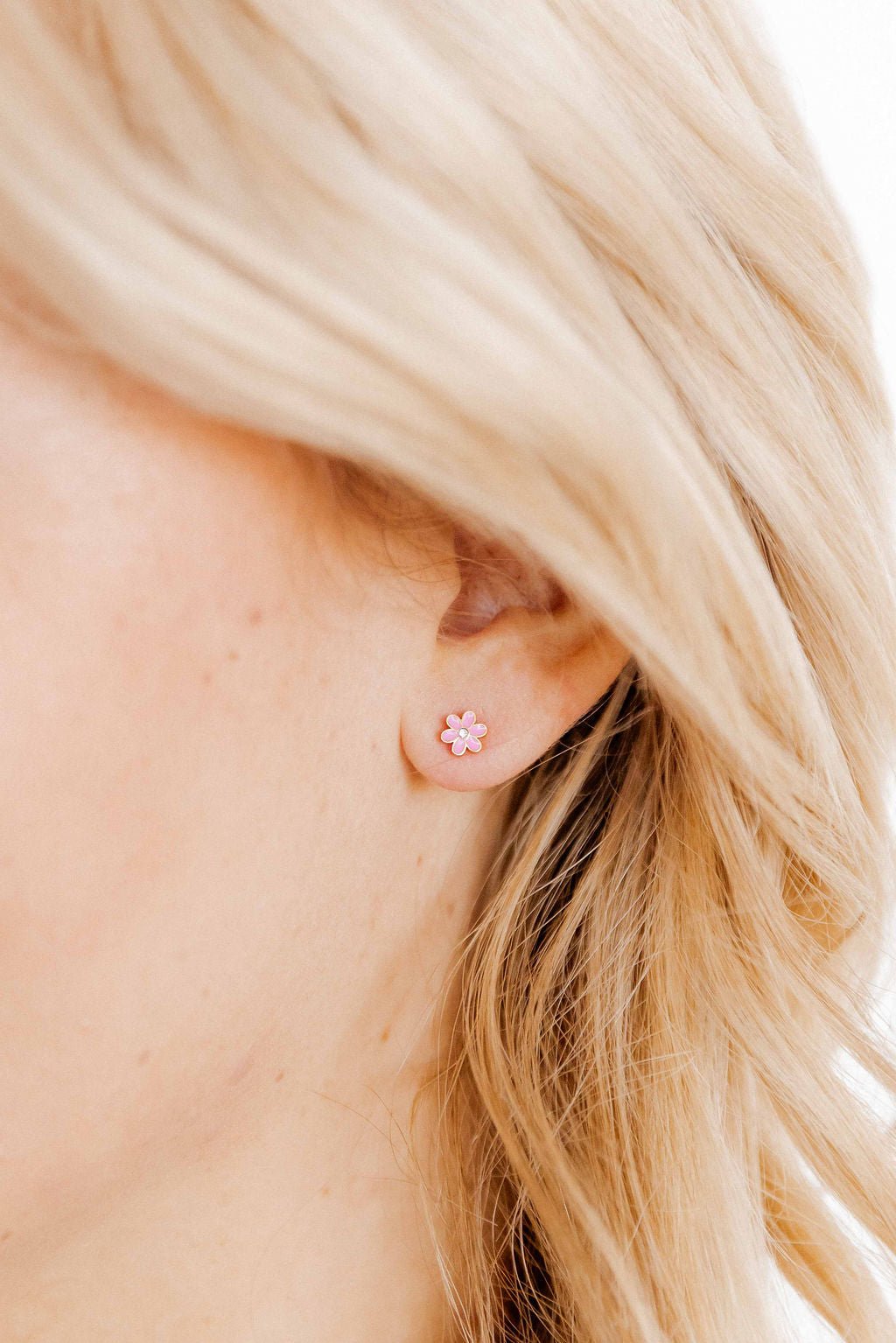
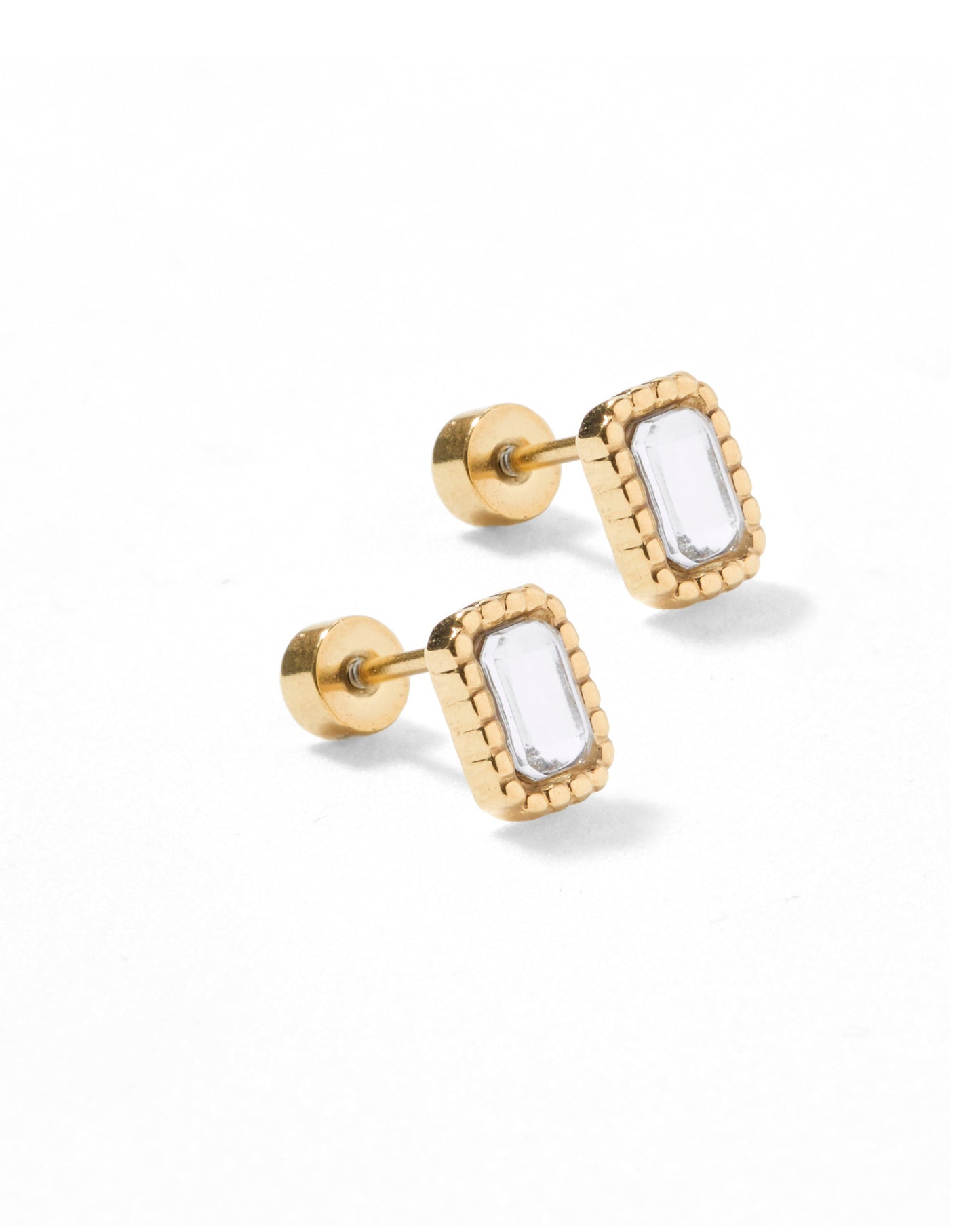
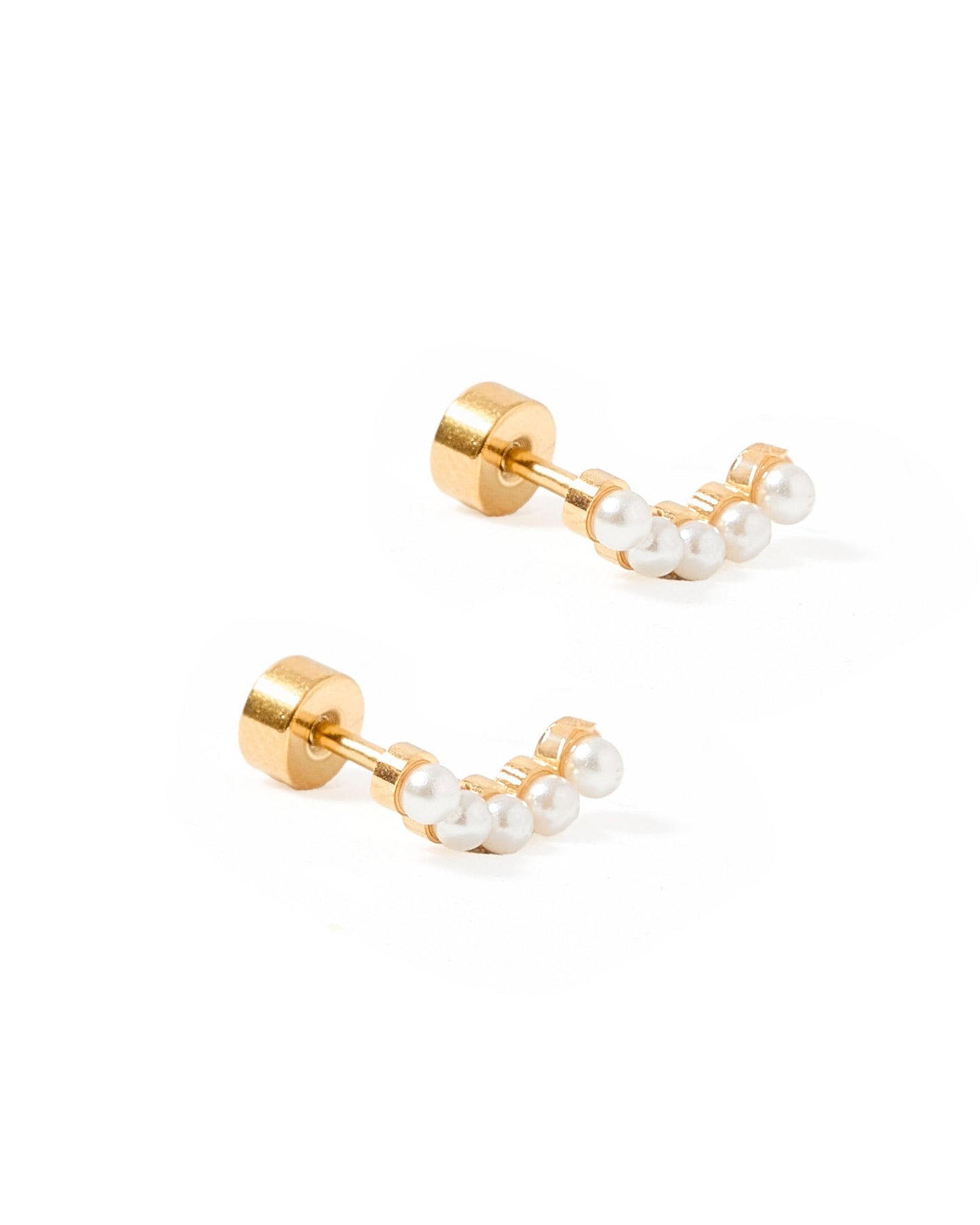
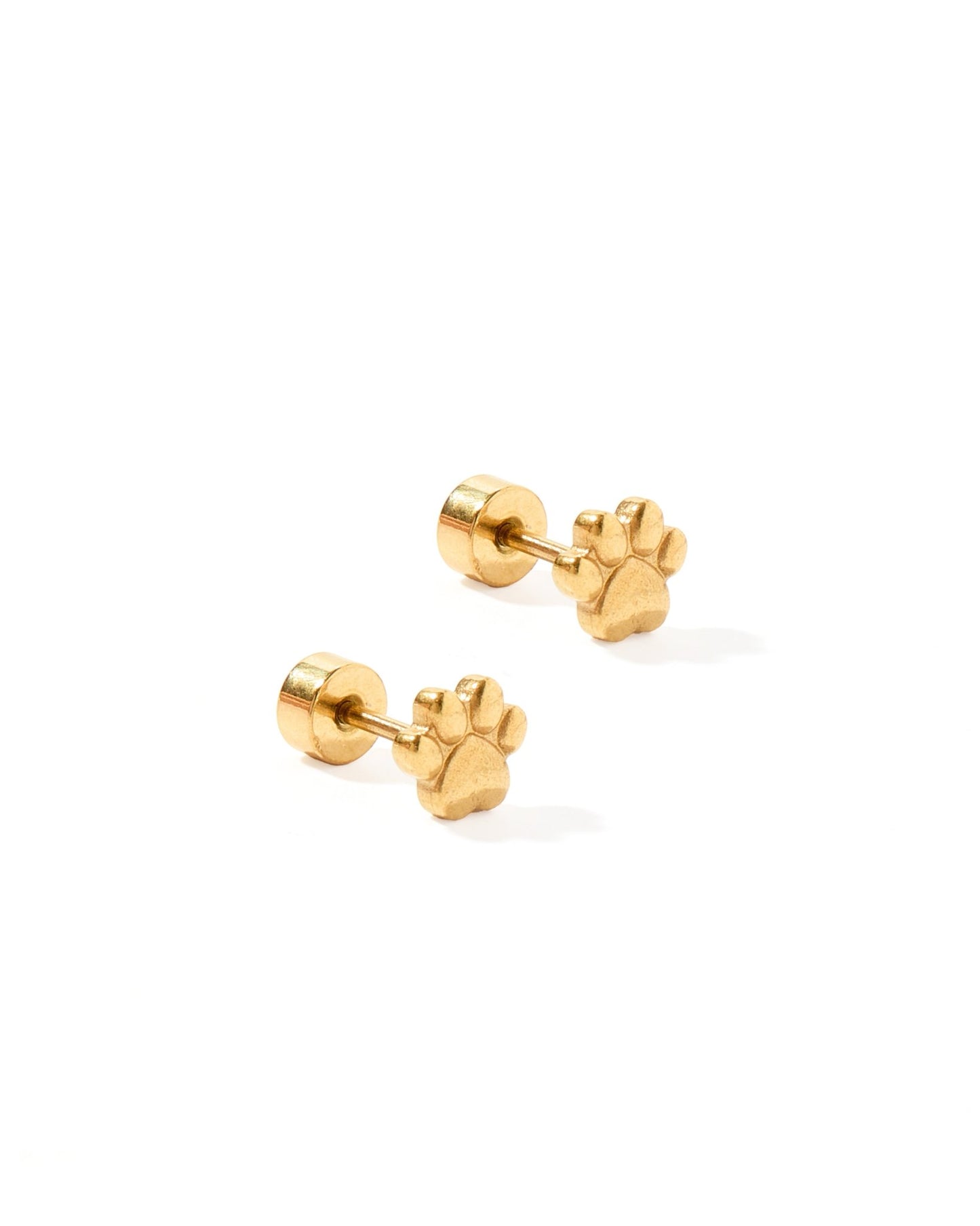
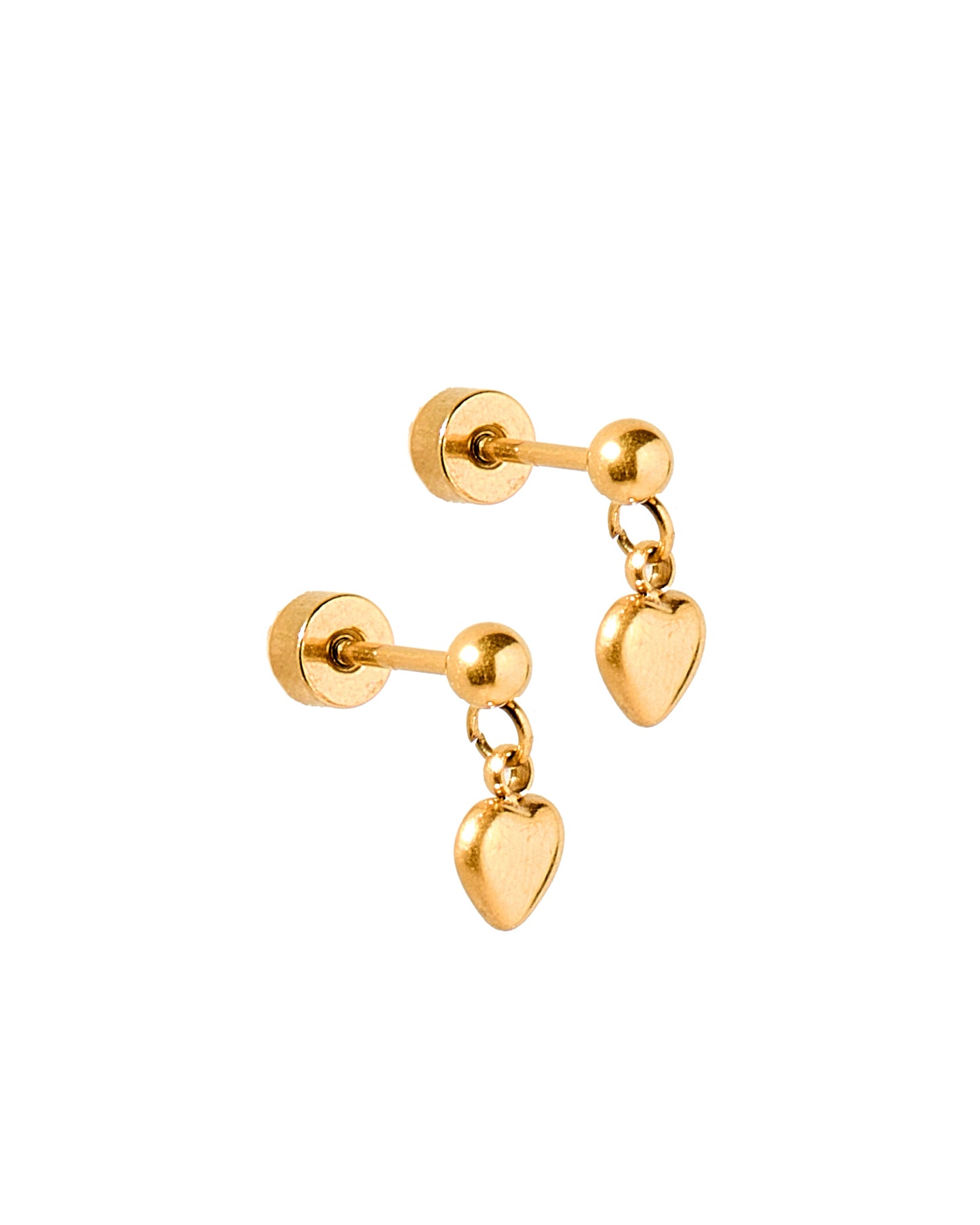
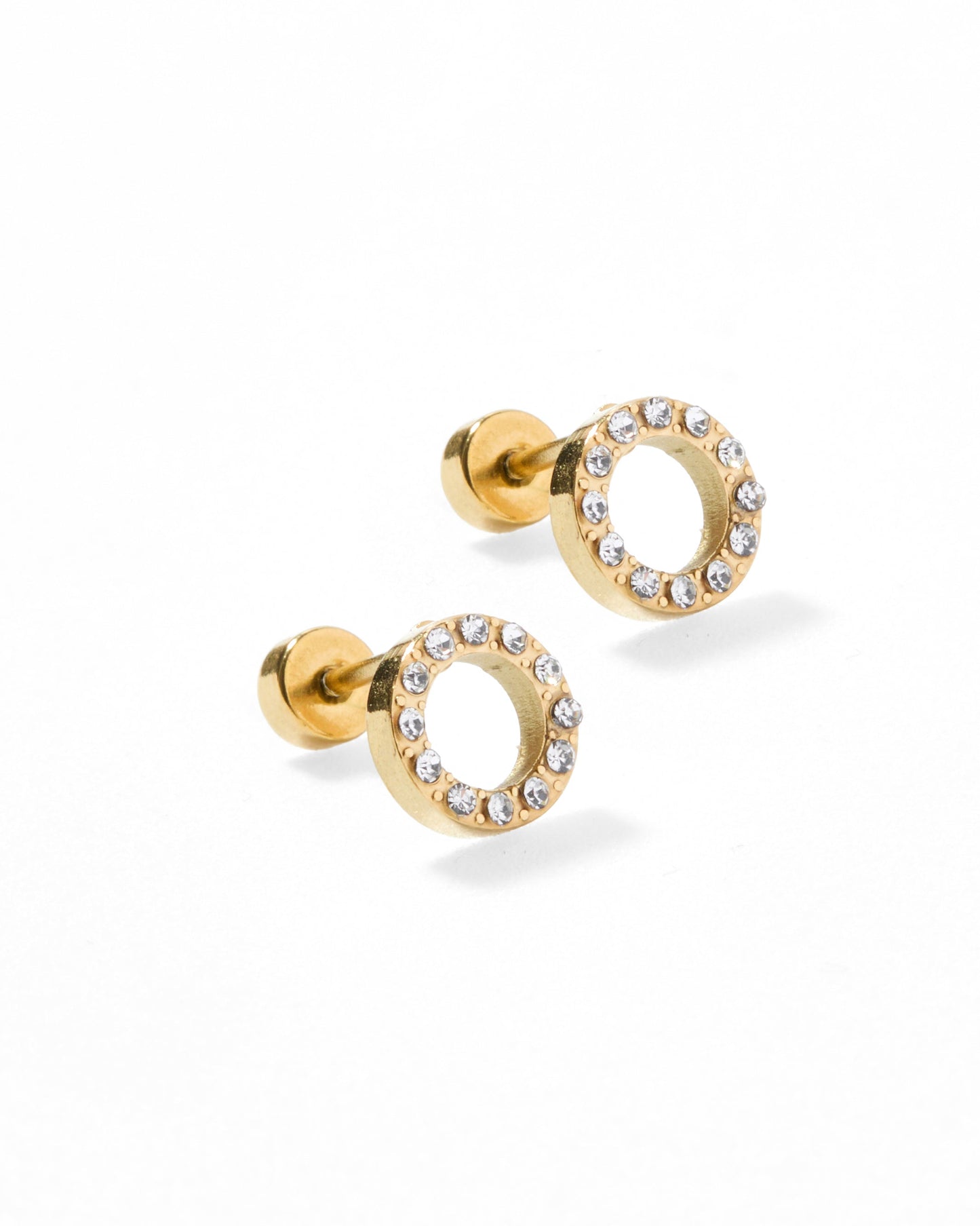
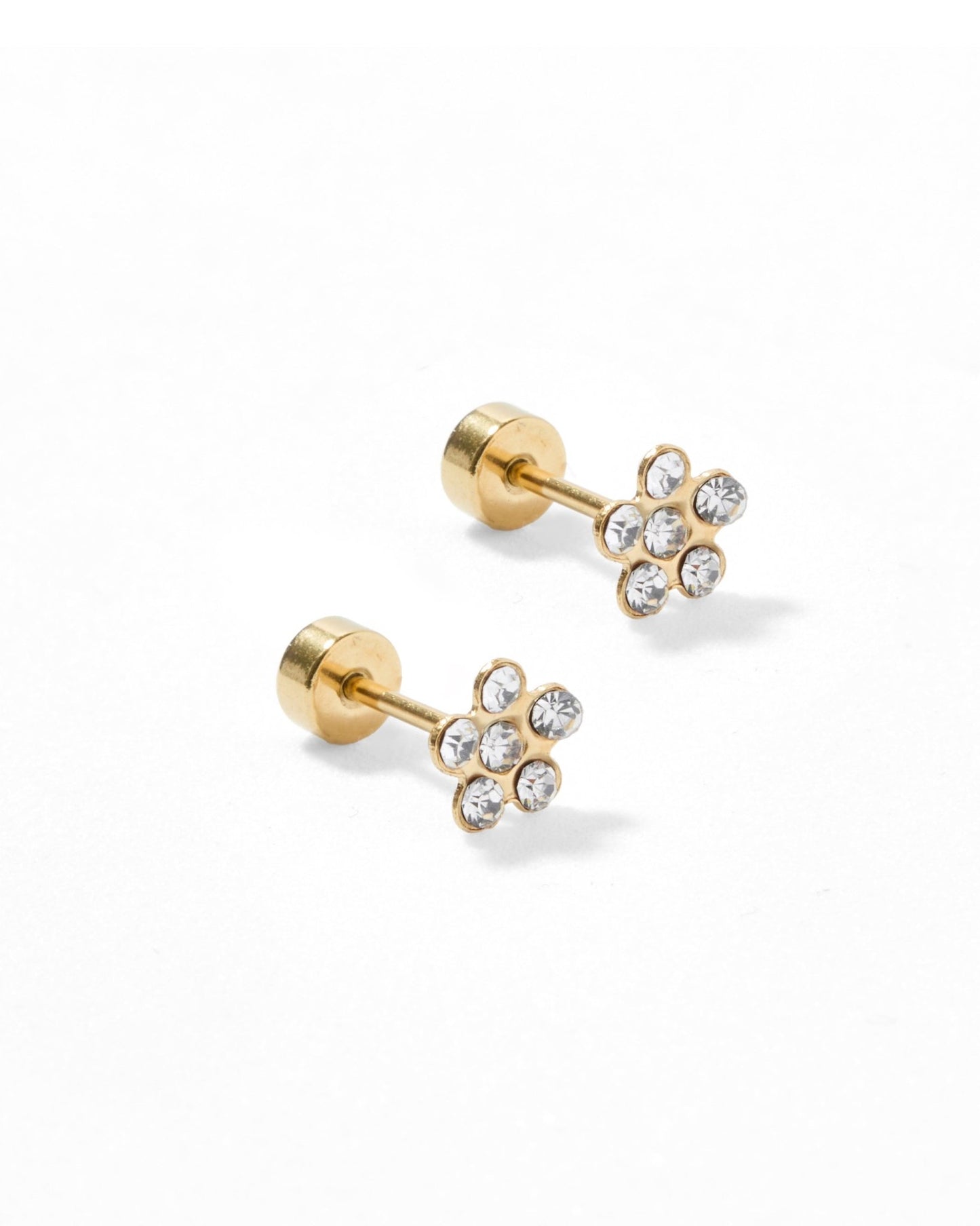
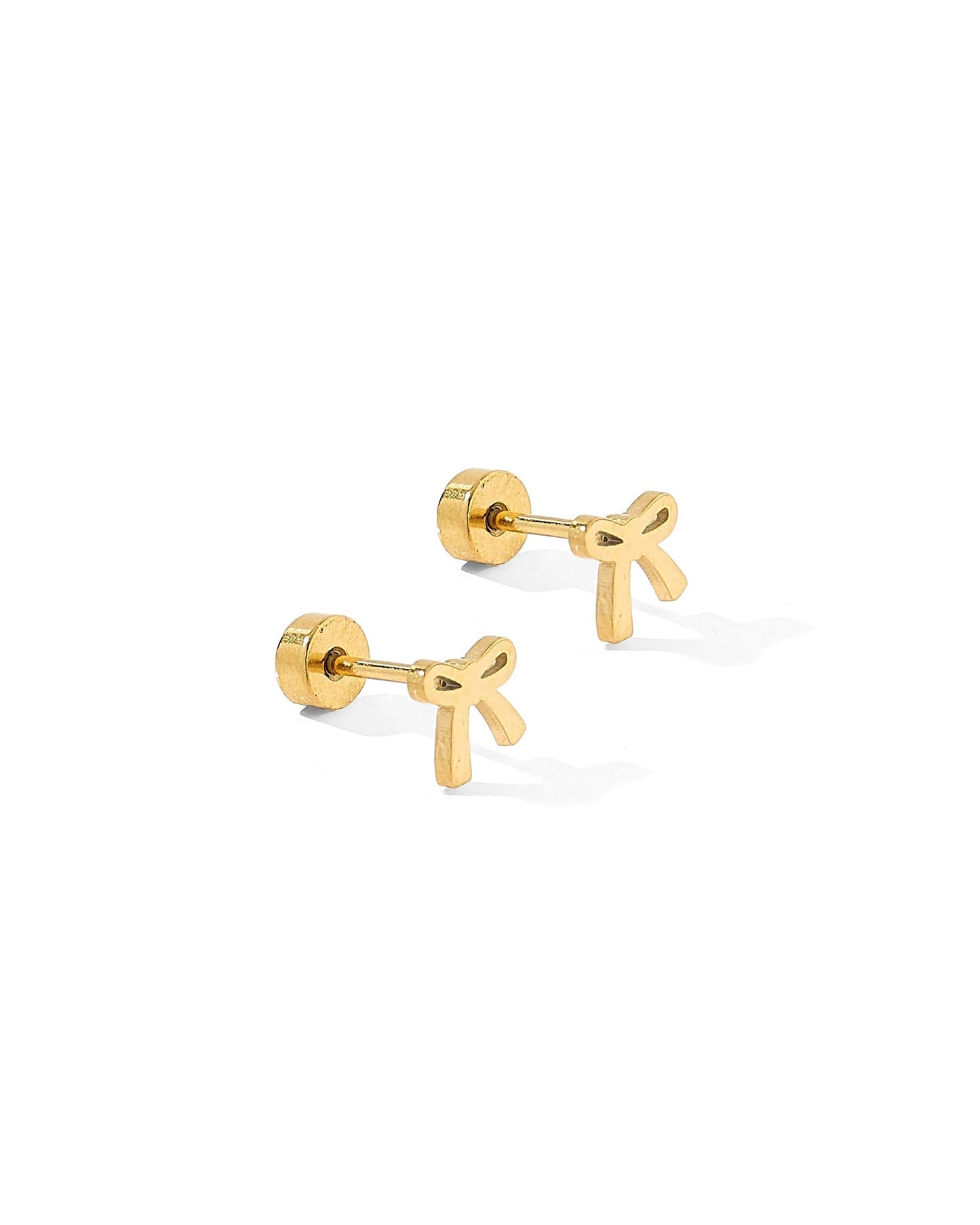
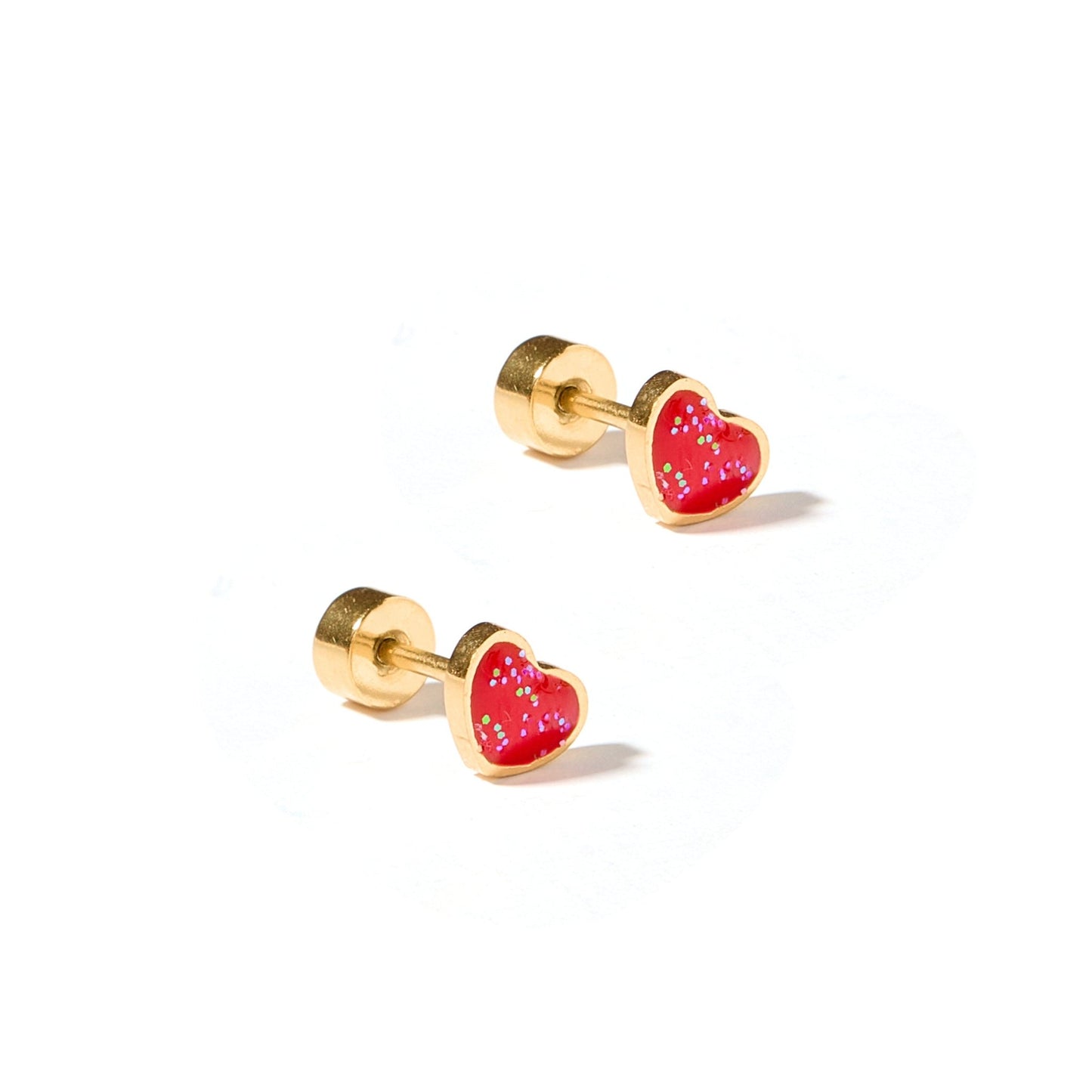
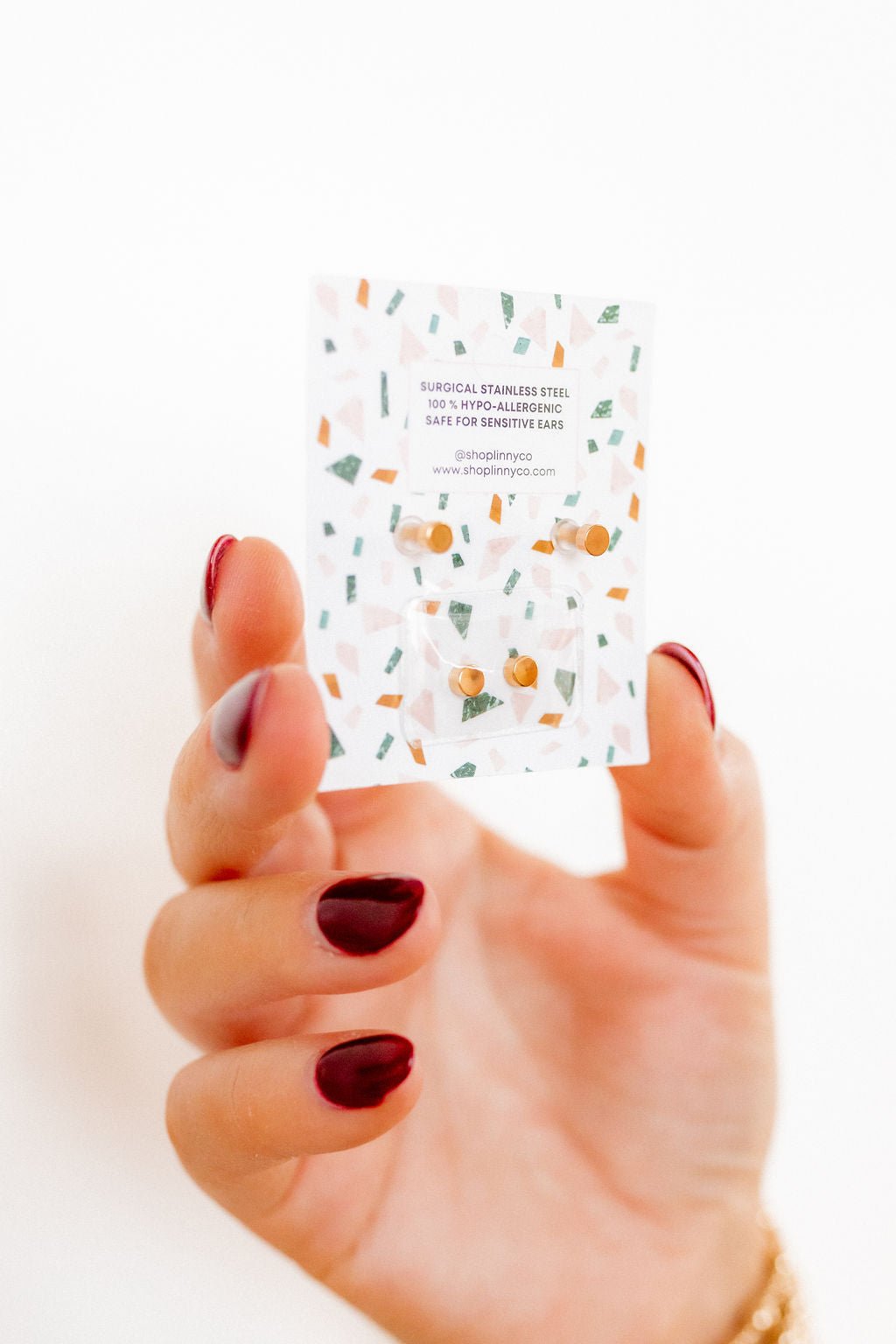
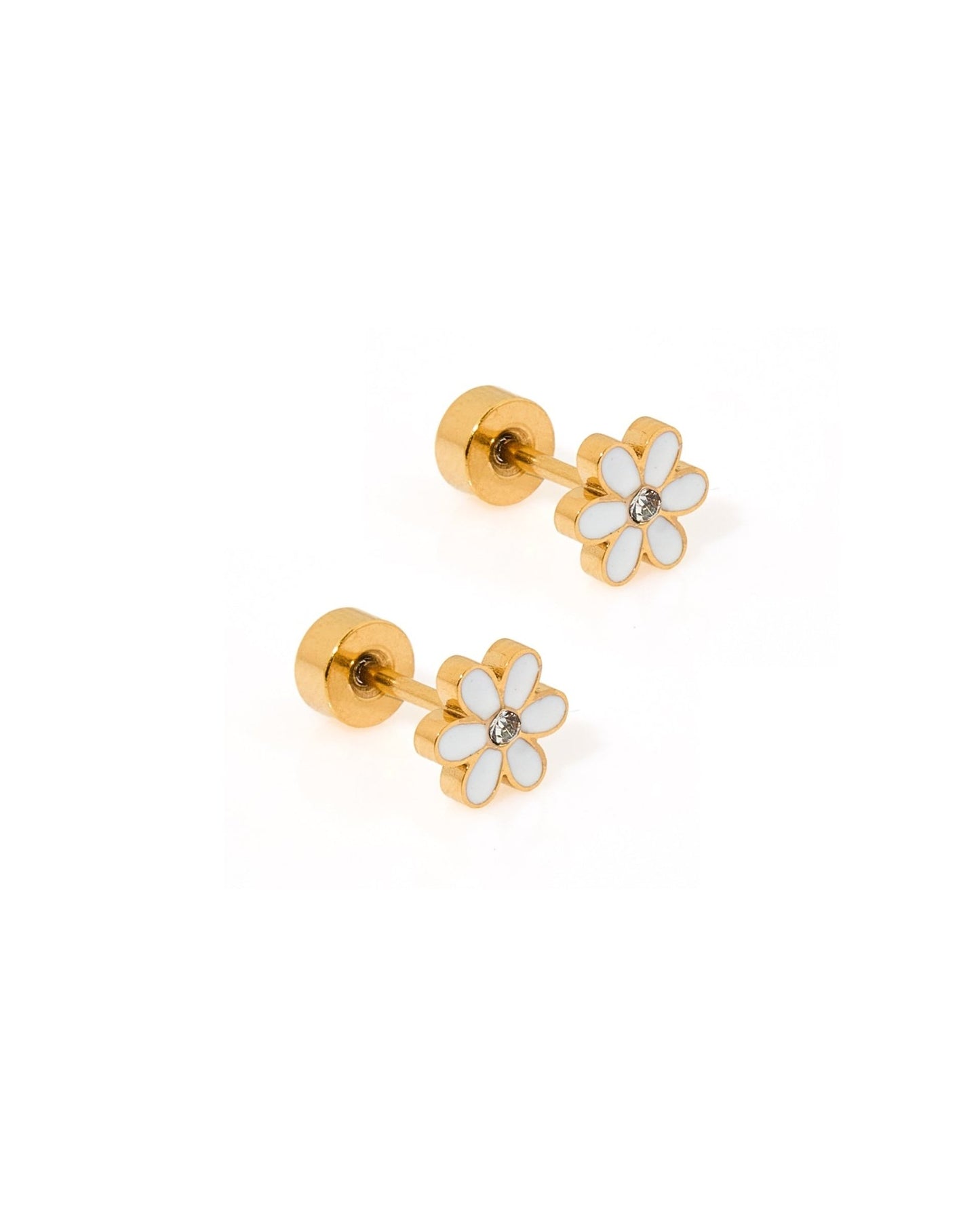
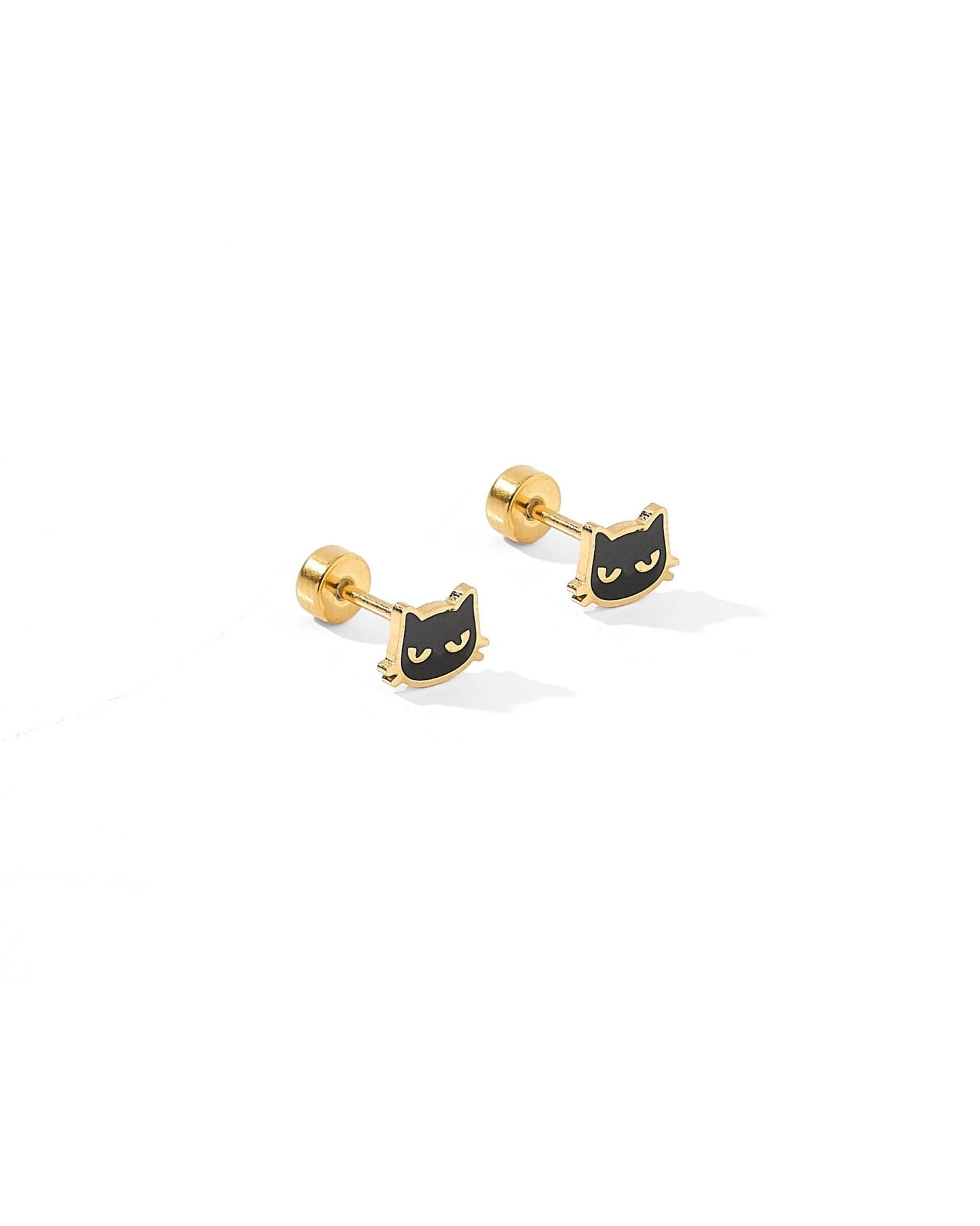
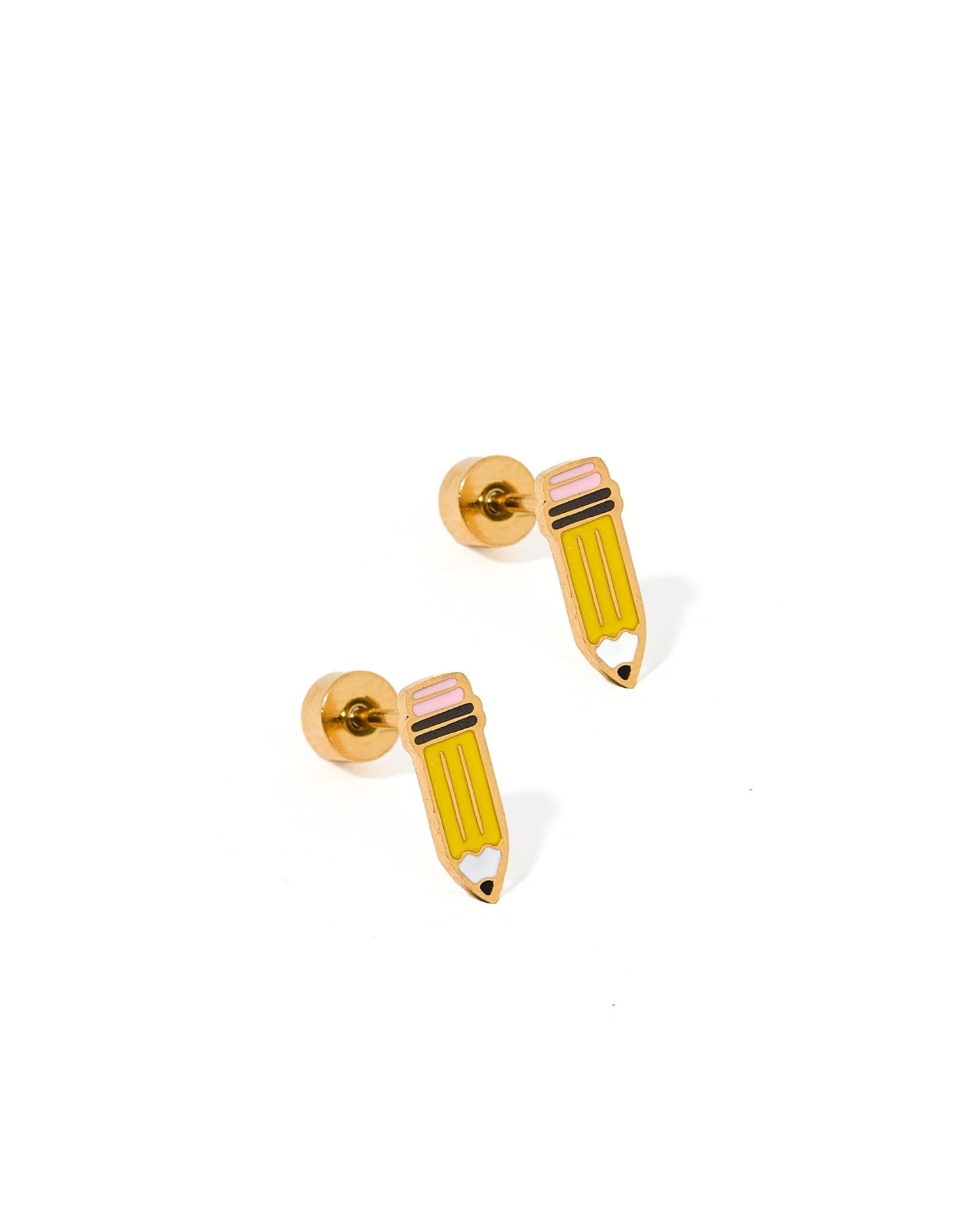
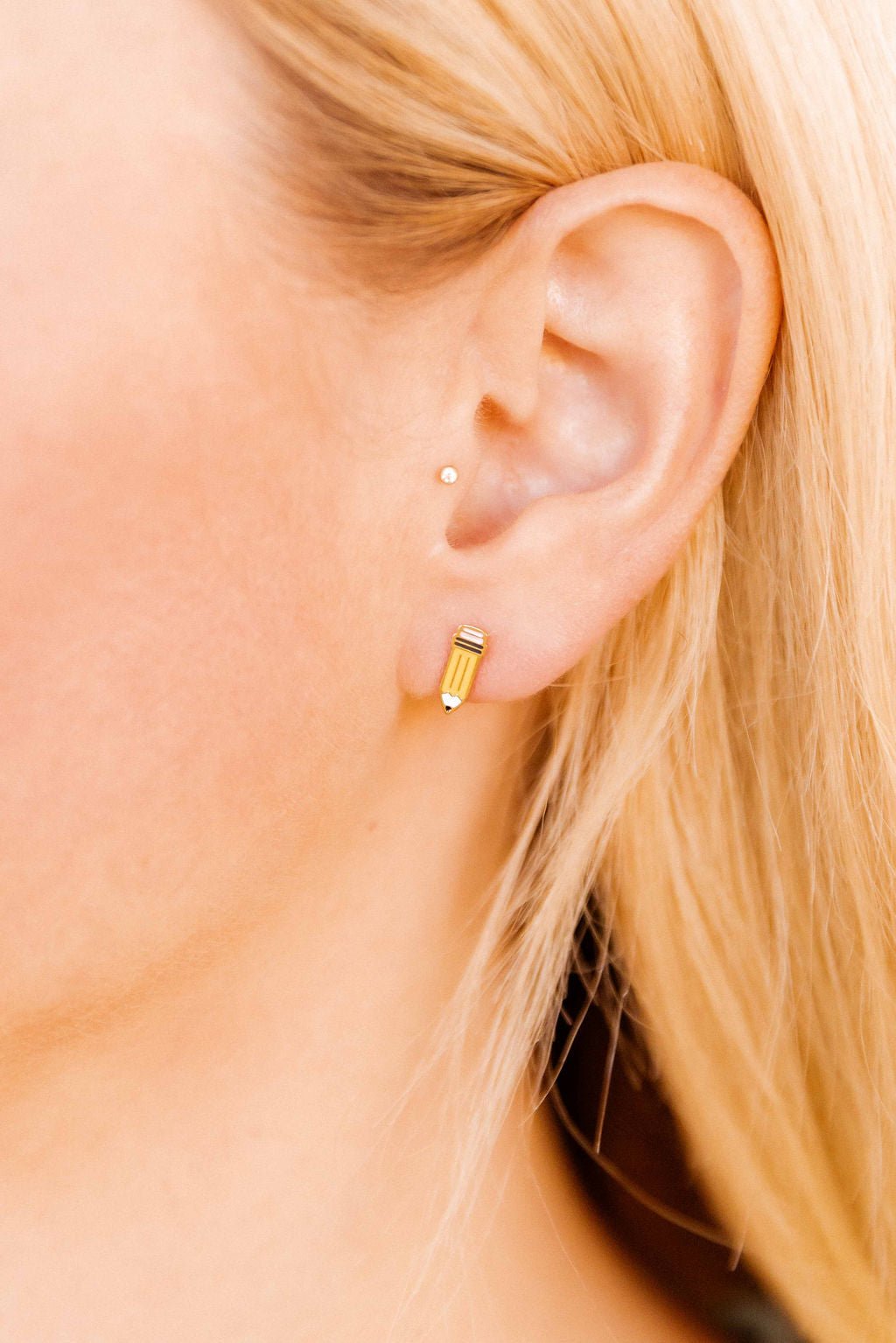
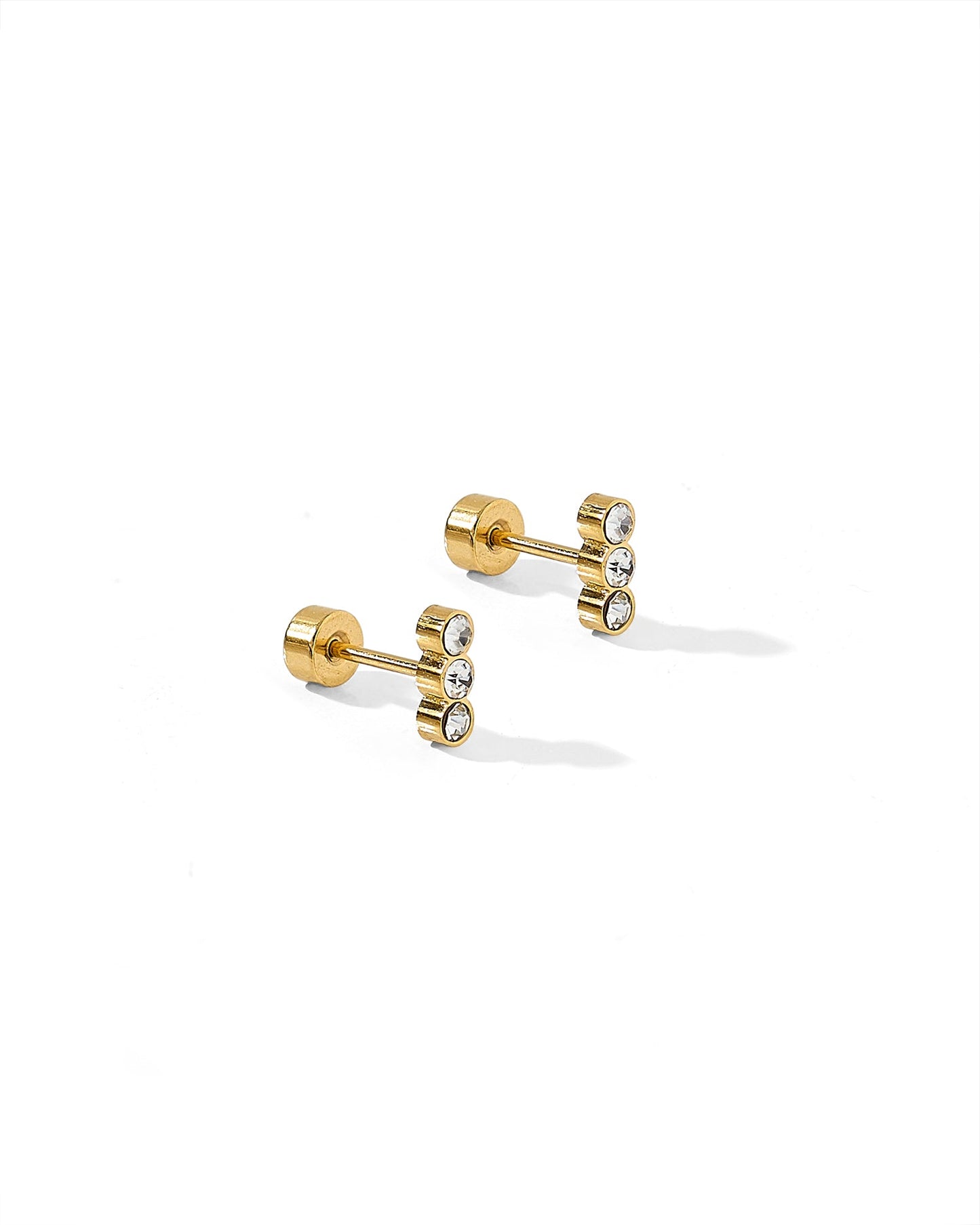
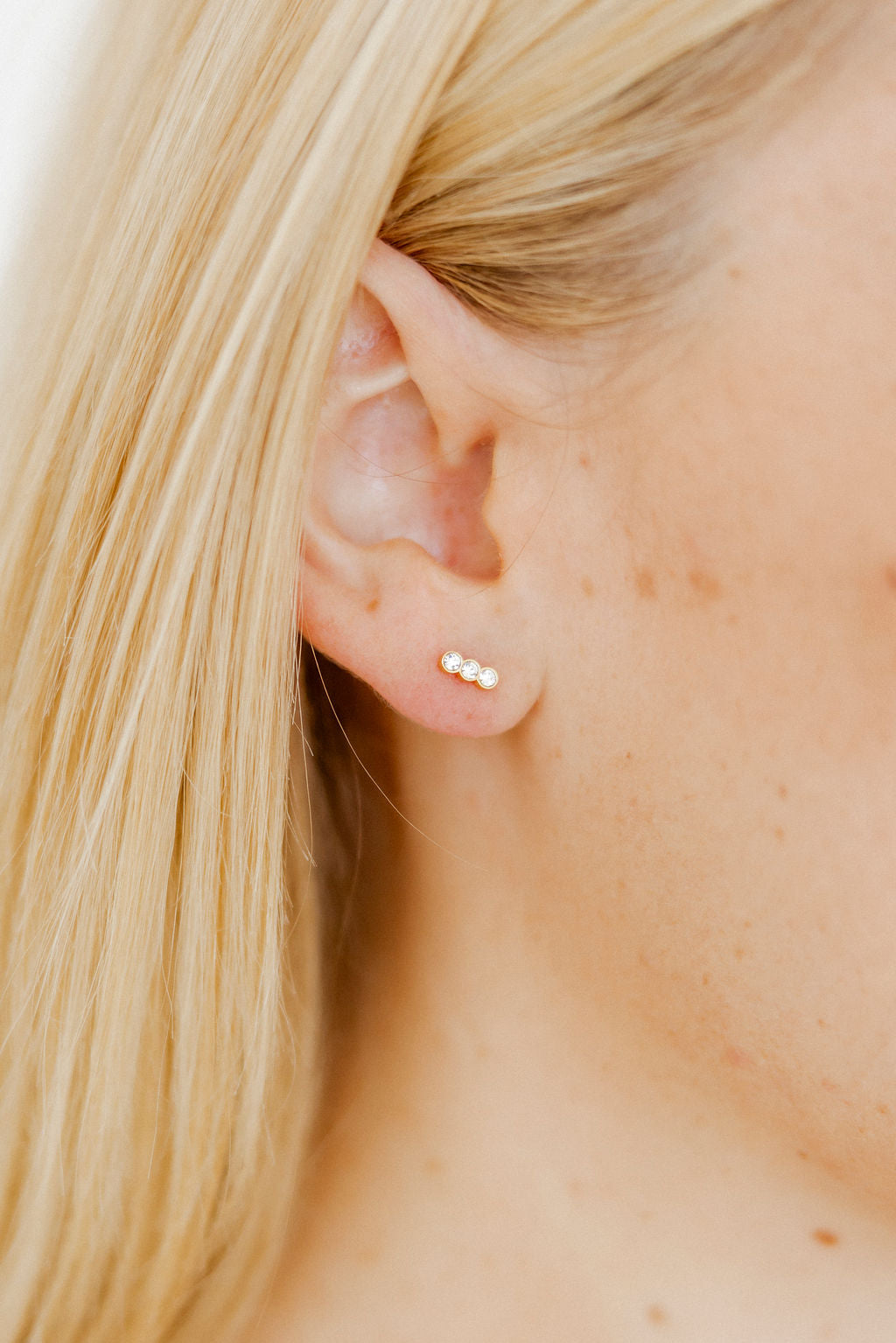
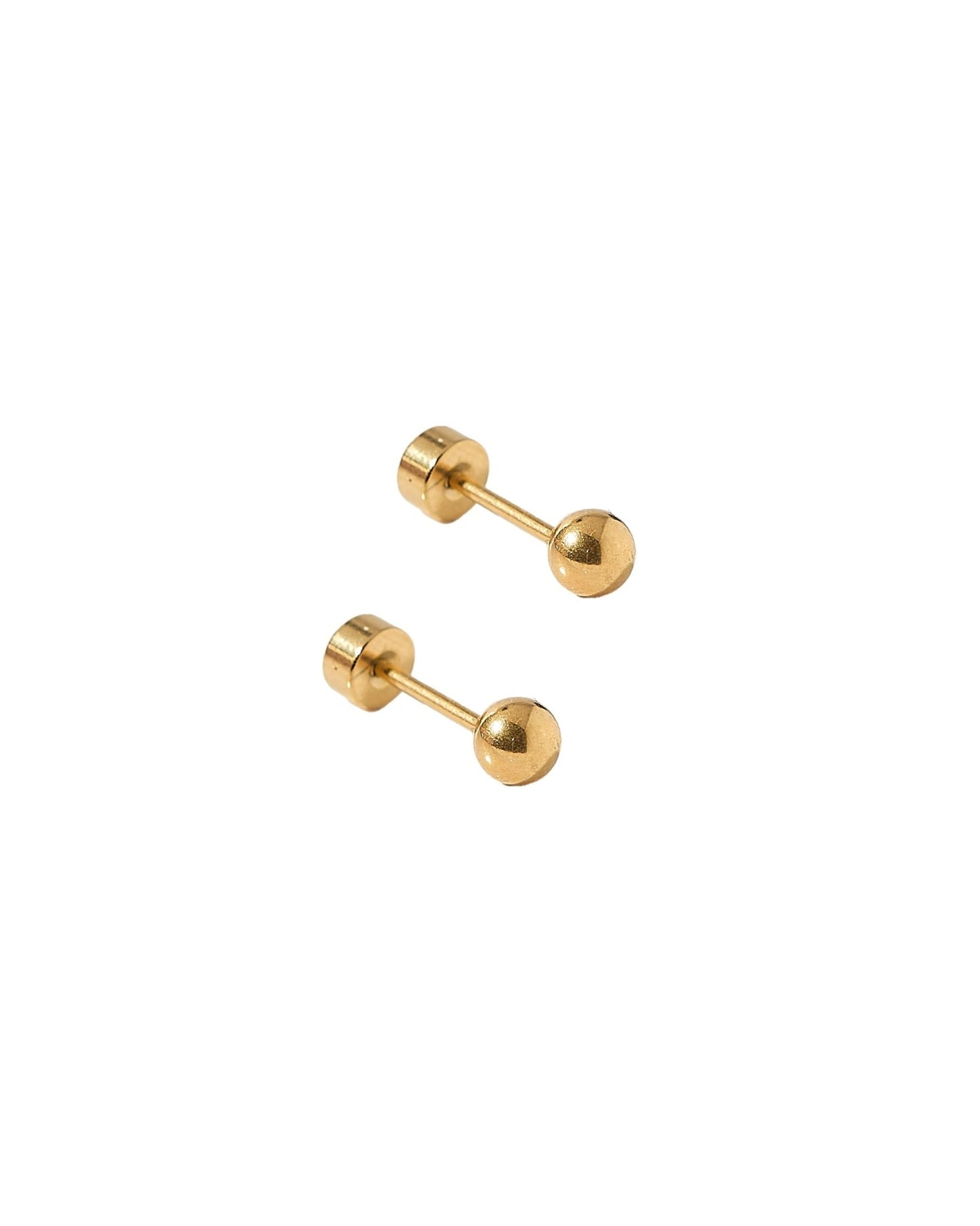
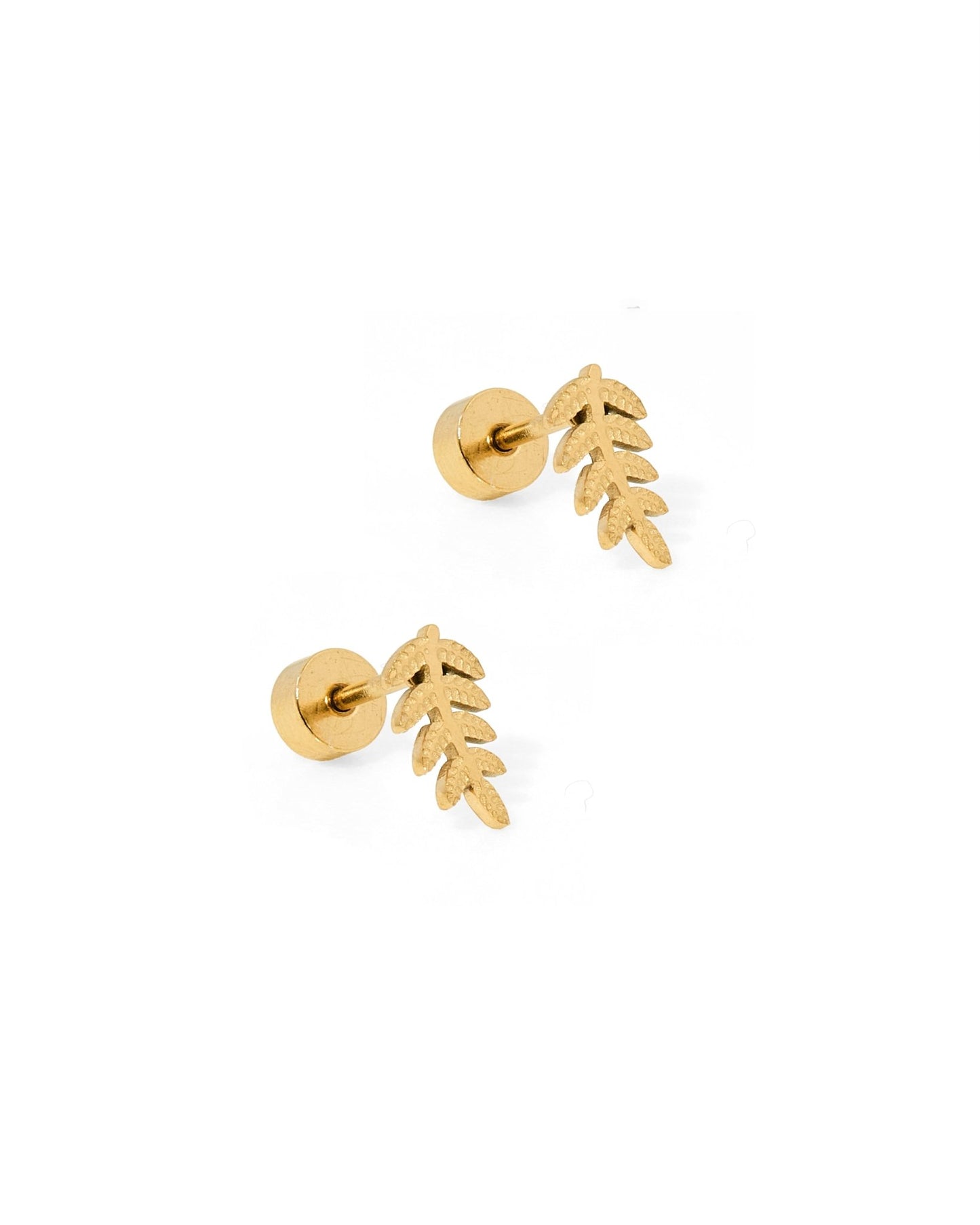
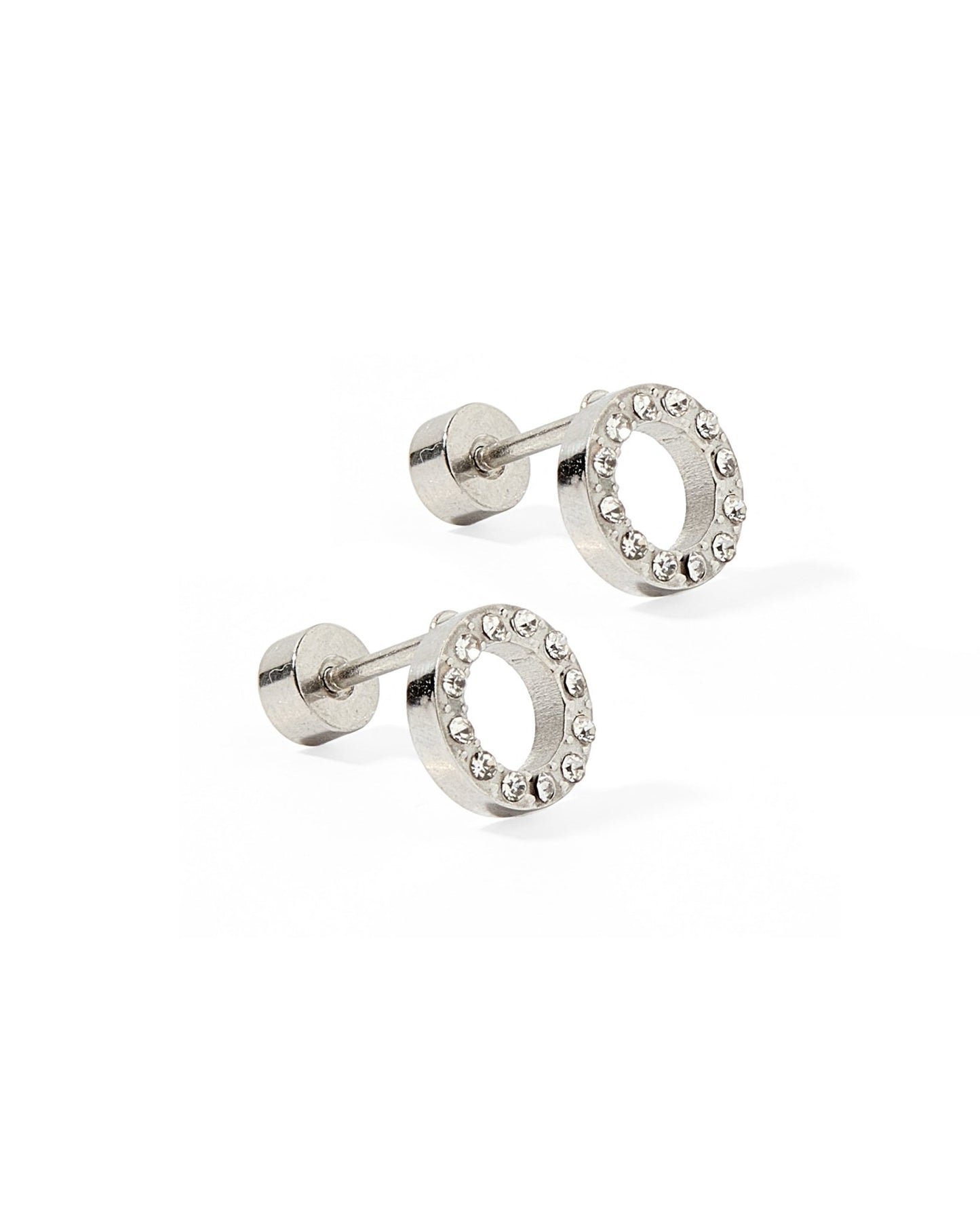
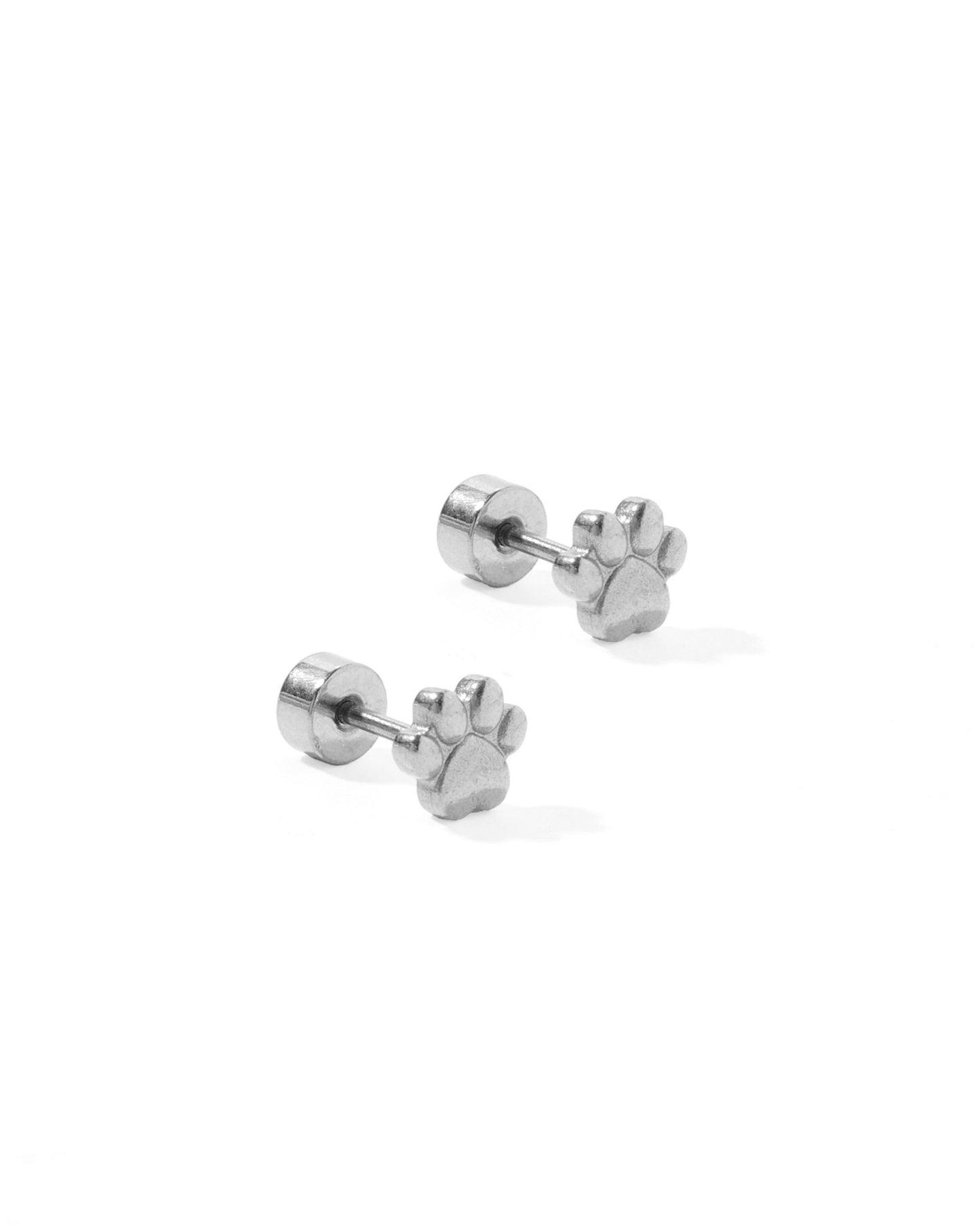
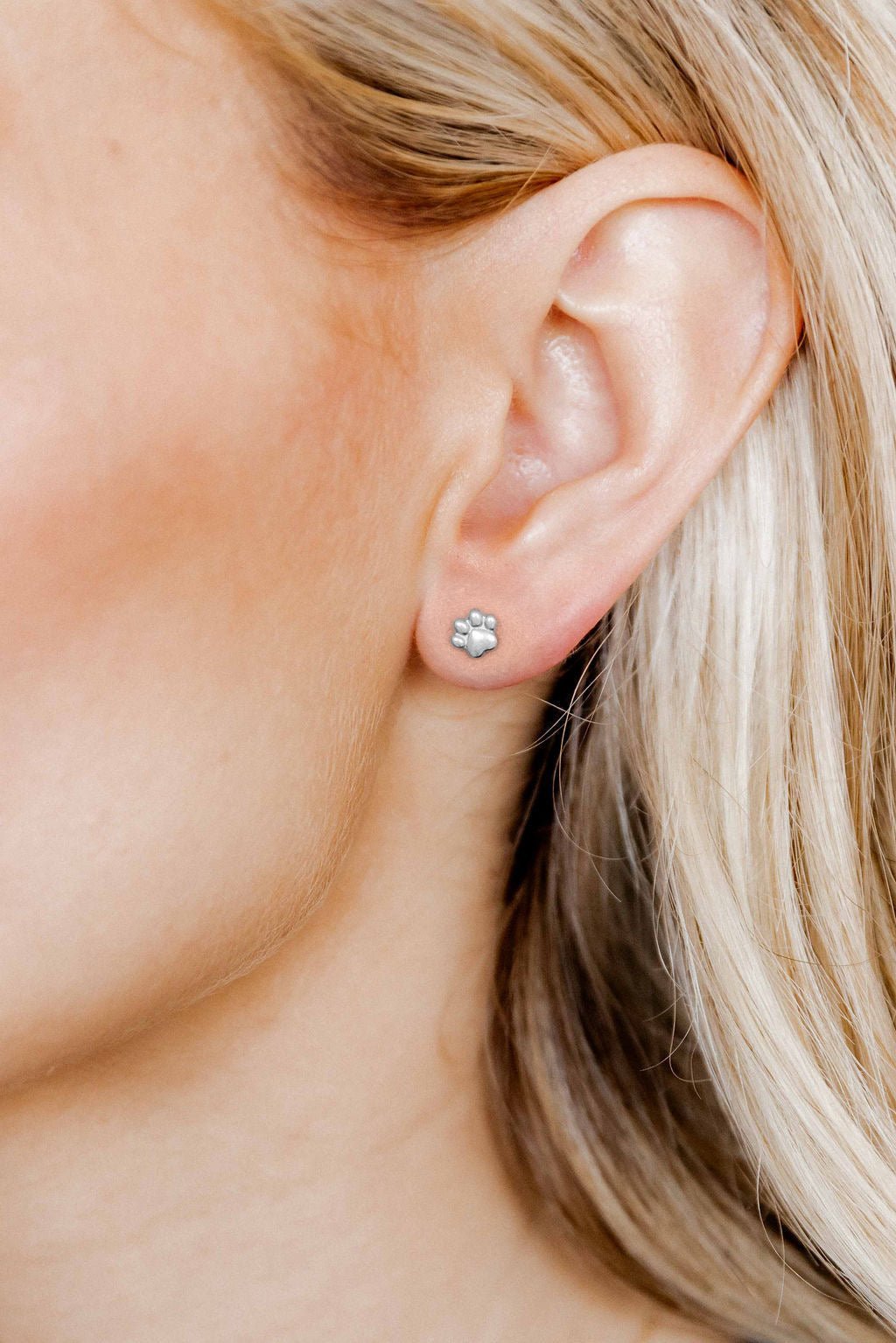
A flat back earring is a stud with a flat disc behind the lobe instead of a butterfly clutch. Nothing sticks out, nothing digs in against a pillow, and there is no small metal back to lose down the sink. On a screw back, the post threads into that disc, so it cannot work its way loose during the day.
This is the collection Linny Co is known for — 314 styles, from micro 3mm pearls to game day logos, all built on the same backing. They are designed to be put in once and left alone: through the shower, the pool, the gym and a full night's sleep.
New to flat backs? Start with the sizing and insertion guide below the grid.
Flat back describes the back: a flat disc that sits against the lobe rather than a protruding clutch. Screw back describes how the post attaches: it threads in rather than pushing on. Push back is the traditional stud you already know — a straight post with a friction clutch pressed on behind.
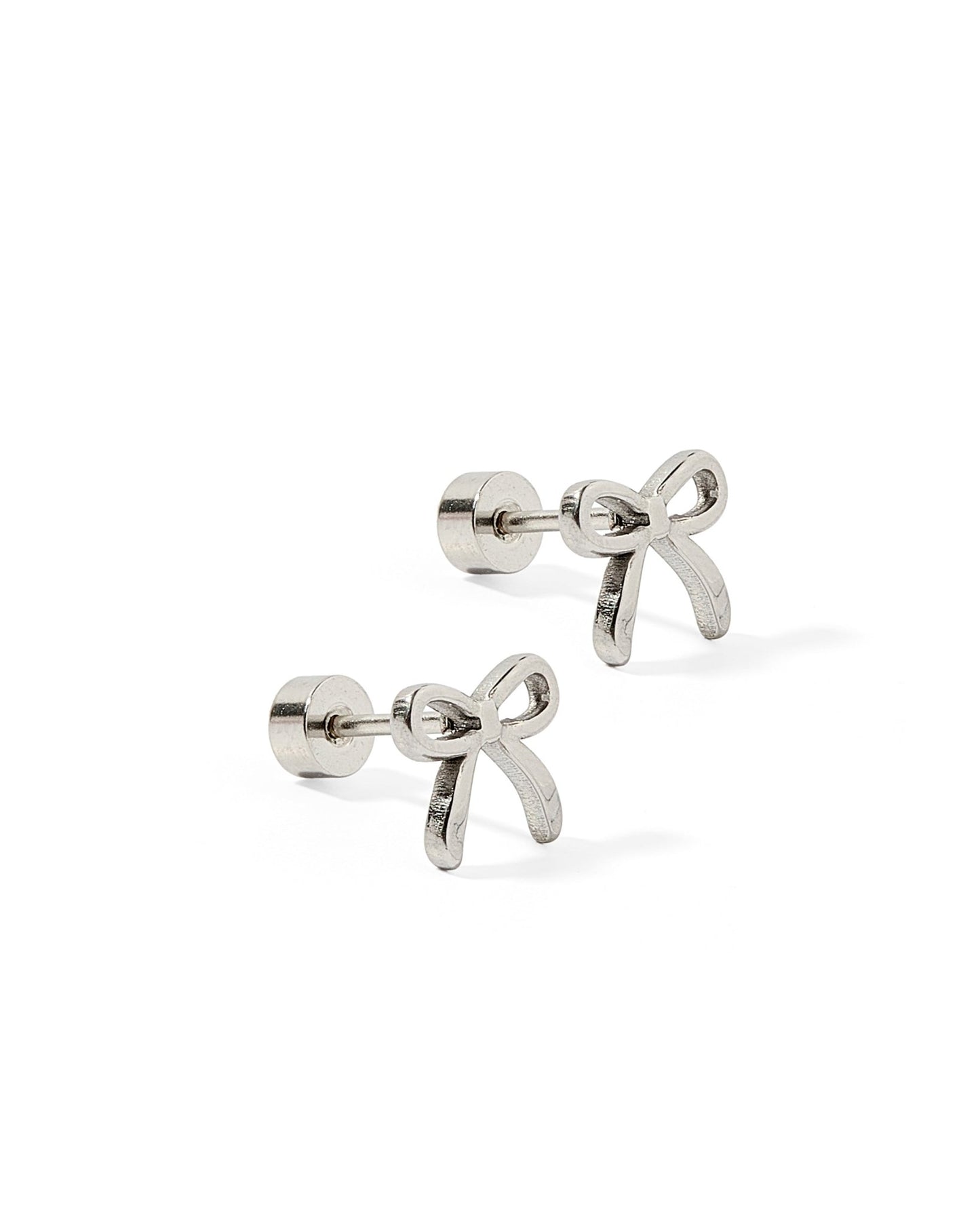
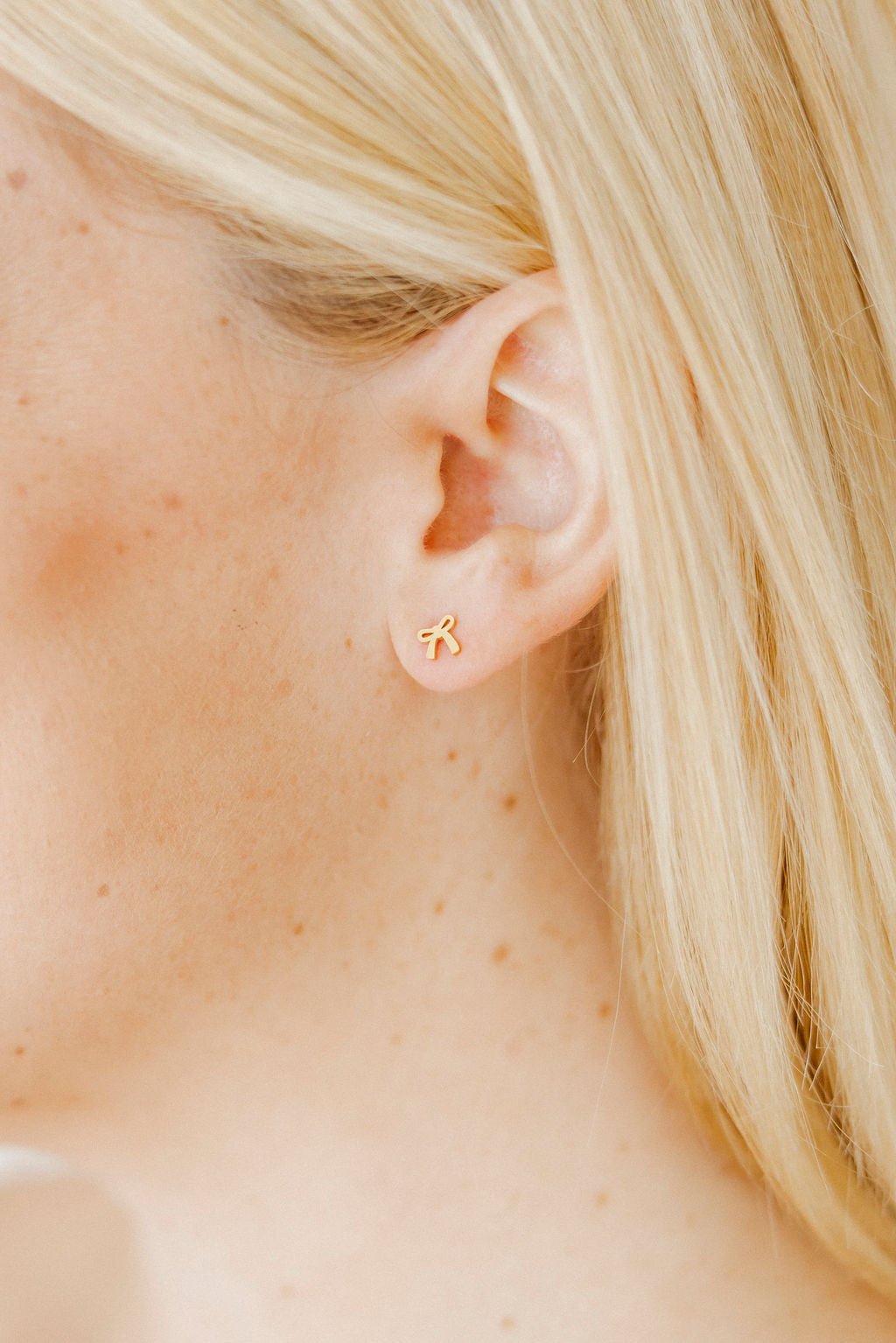
Every earring in this collection is both flat back and screw back. That combination is the reason they stay in. A push-back clutch loosens over a day of movement; a threaded post does not. If you prefer a traditional post, the acetate studs and bow studs use one.
(Piercing studios sometimes call a flat back post a "labret". Same object, different vocabulary — you will see the term used interchangeably online.)
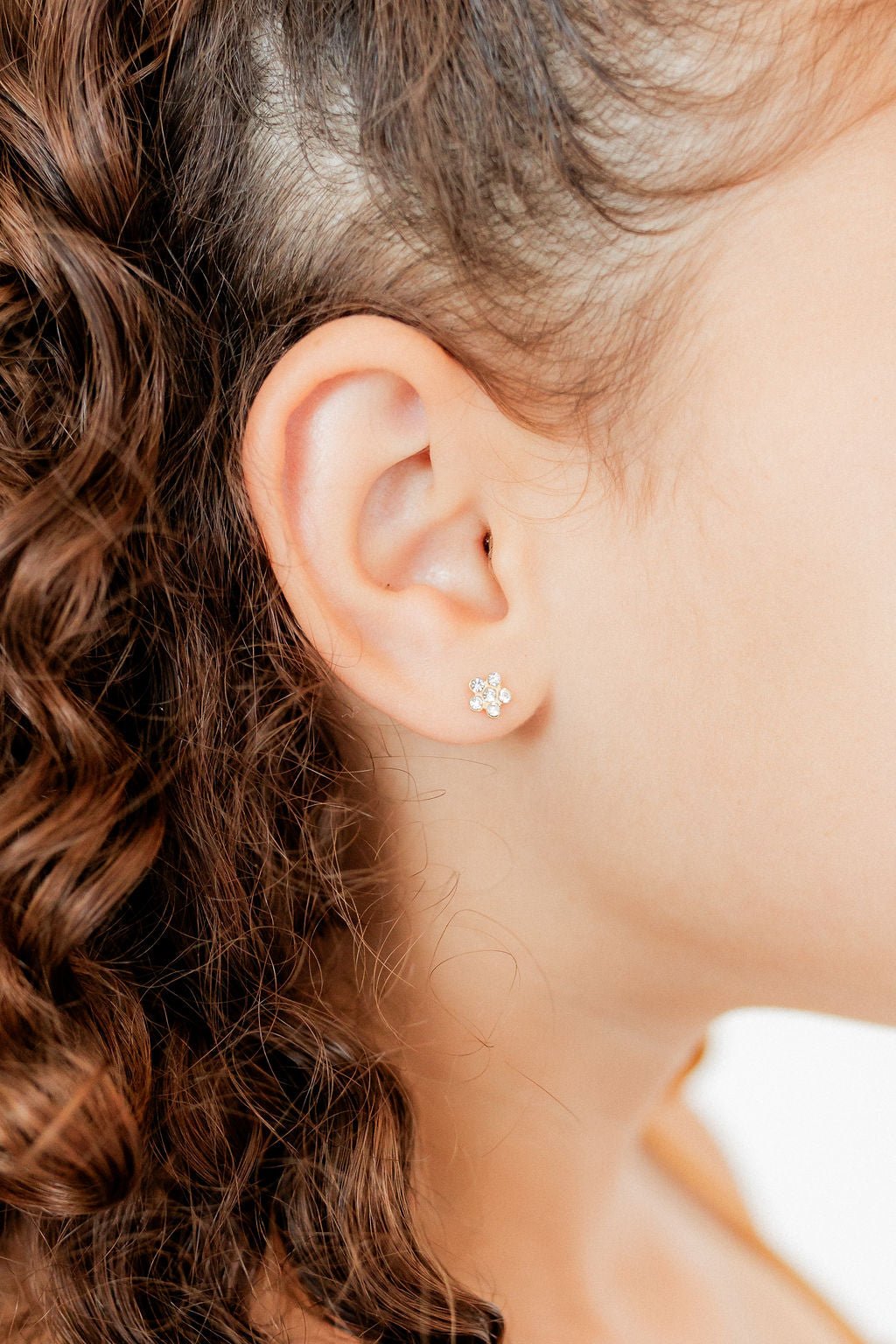
Kids' hypoallergenic earrings — 261 styles. The most-asked-about part of the line for anyone buying for a newly pierced child.
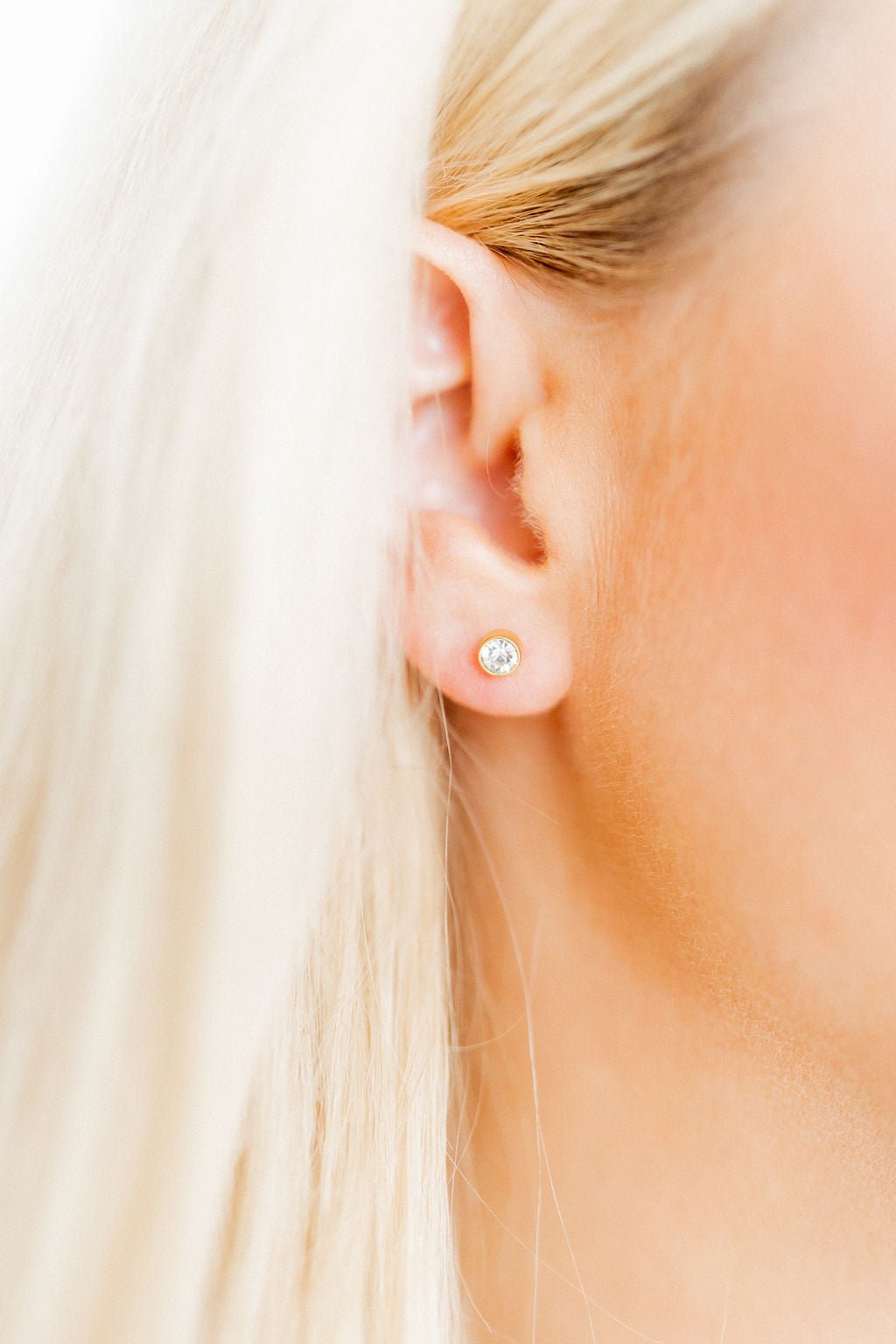
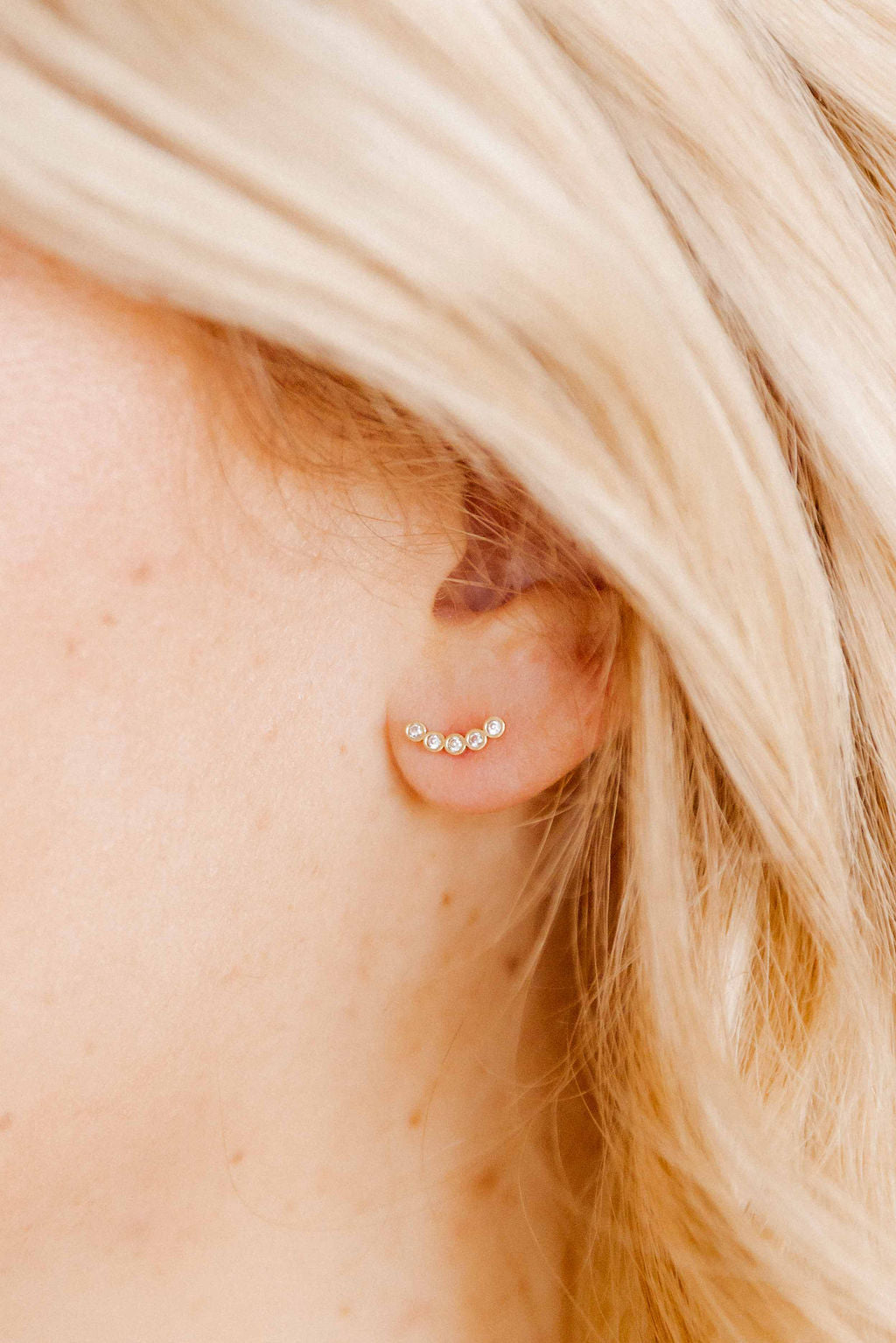
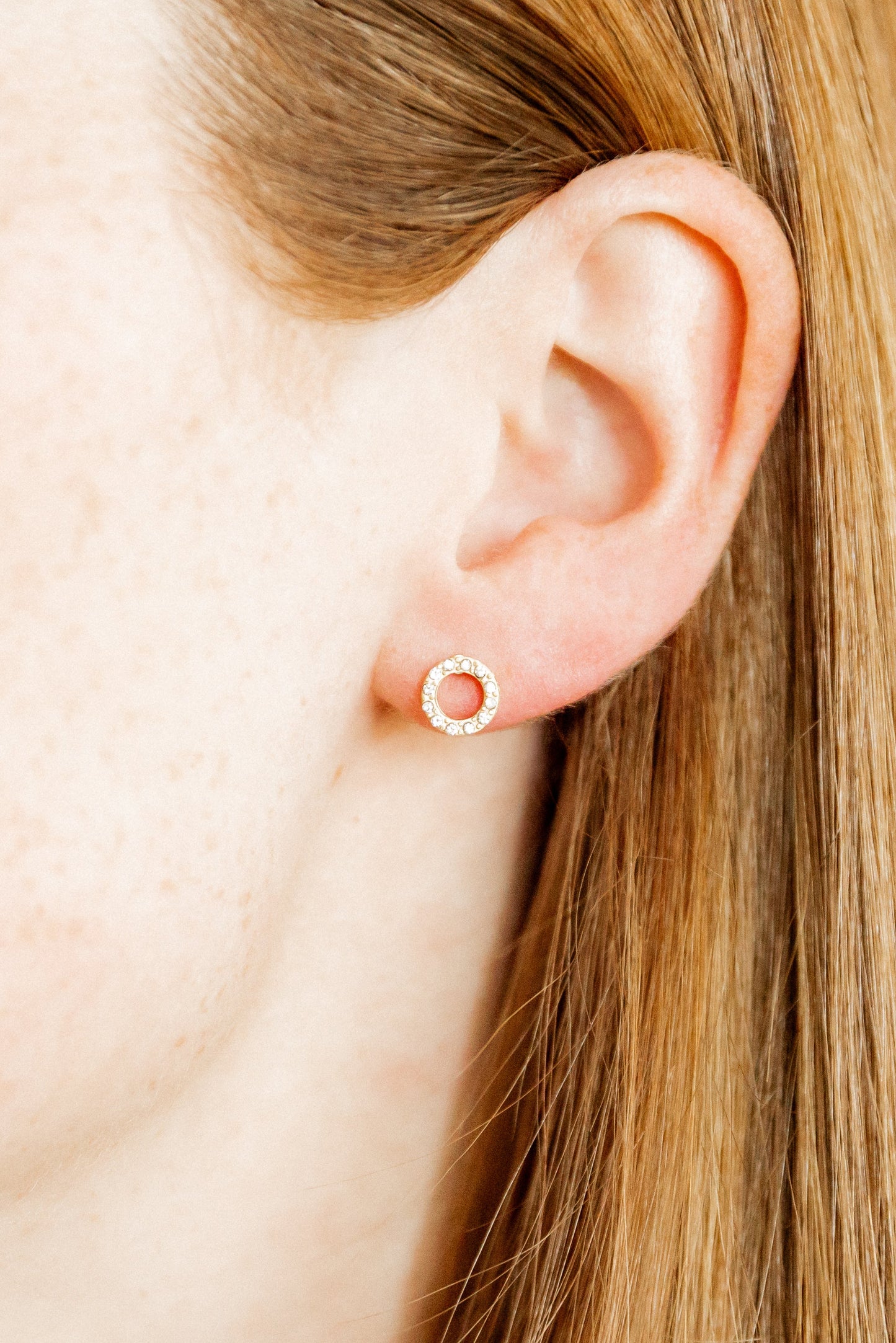
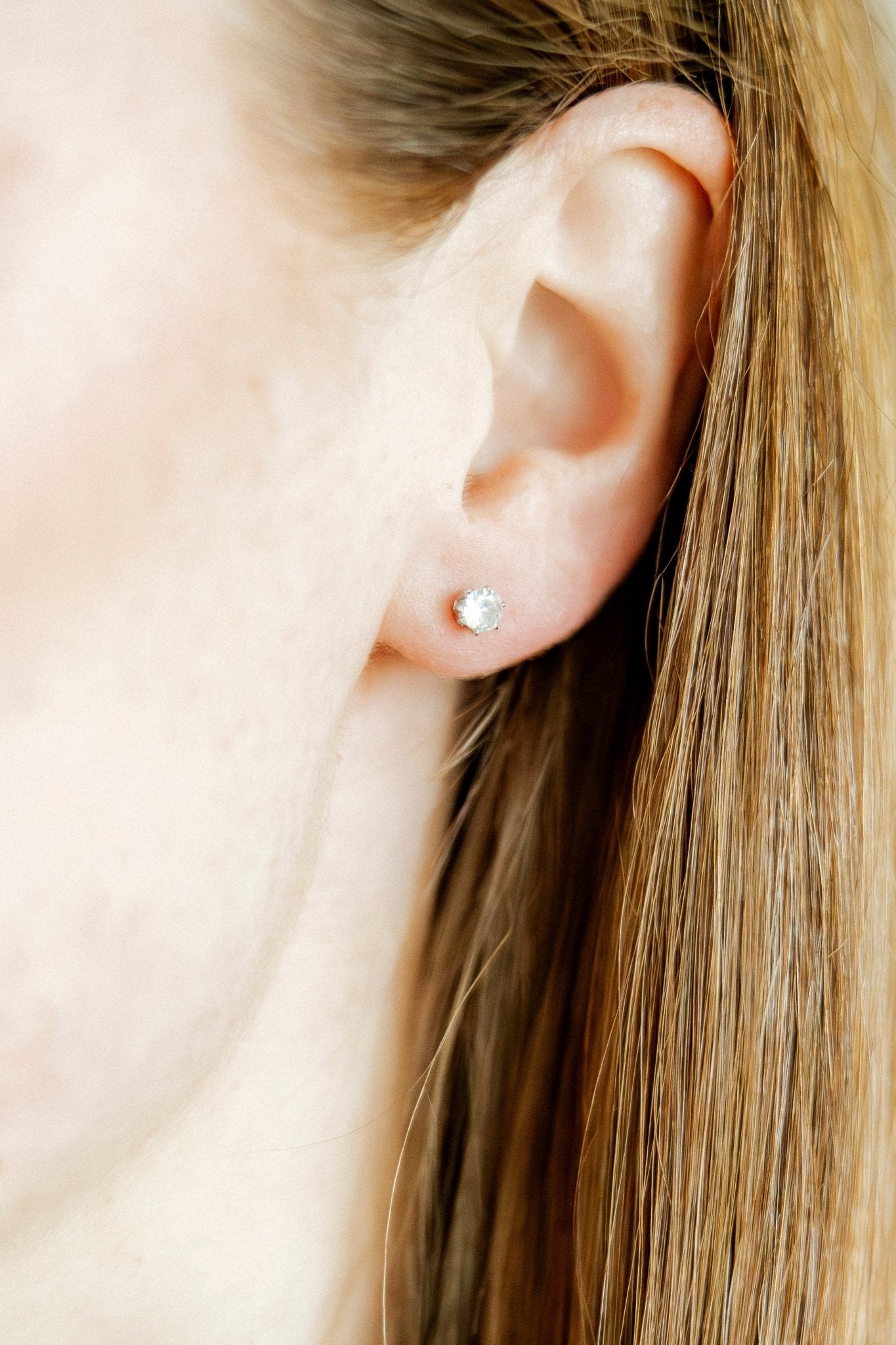
CZ flat back studs — 99 styles with cubic zirconia, from 3mm micros up.
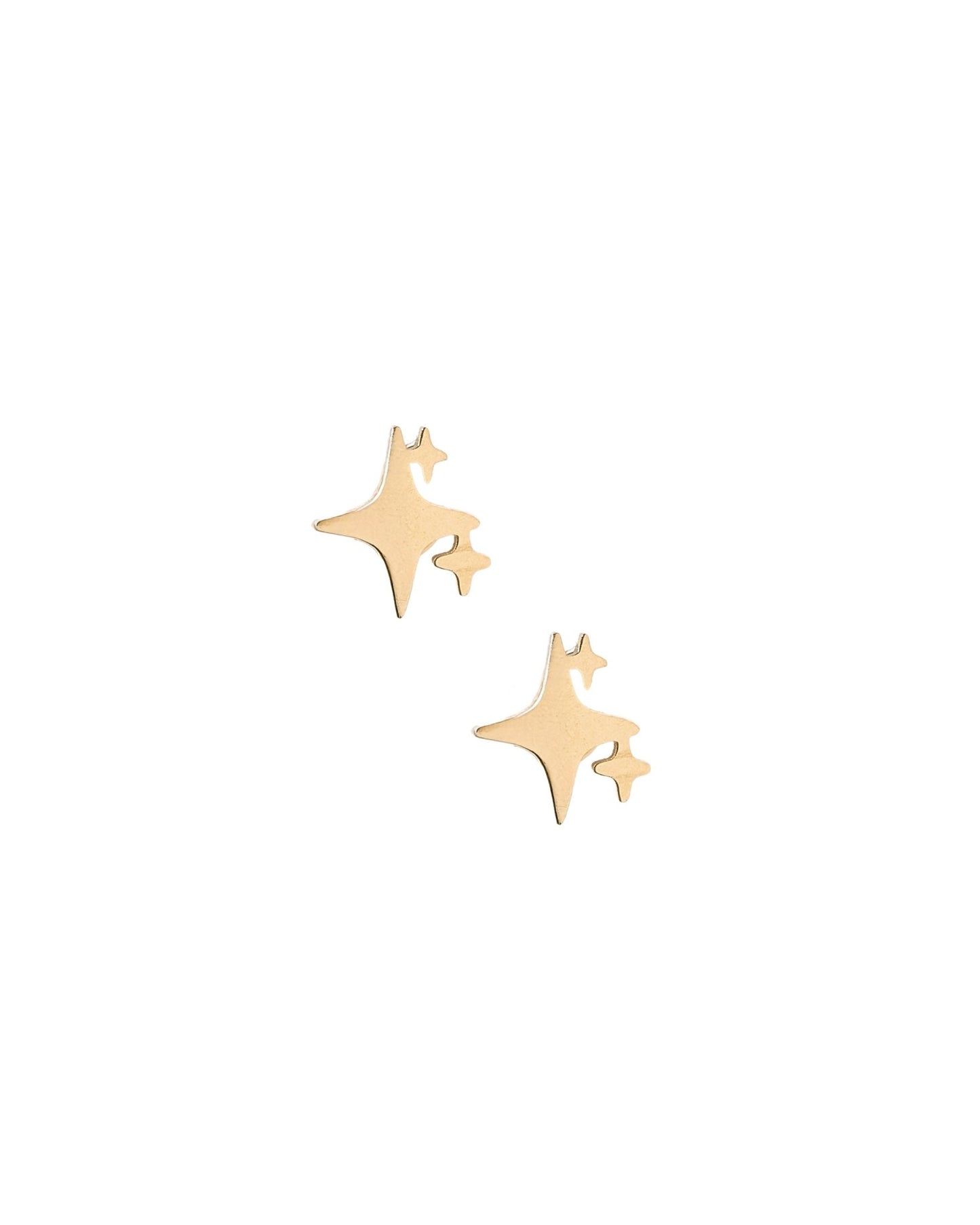
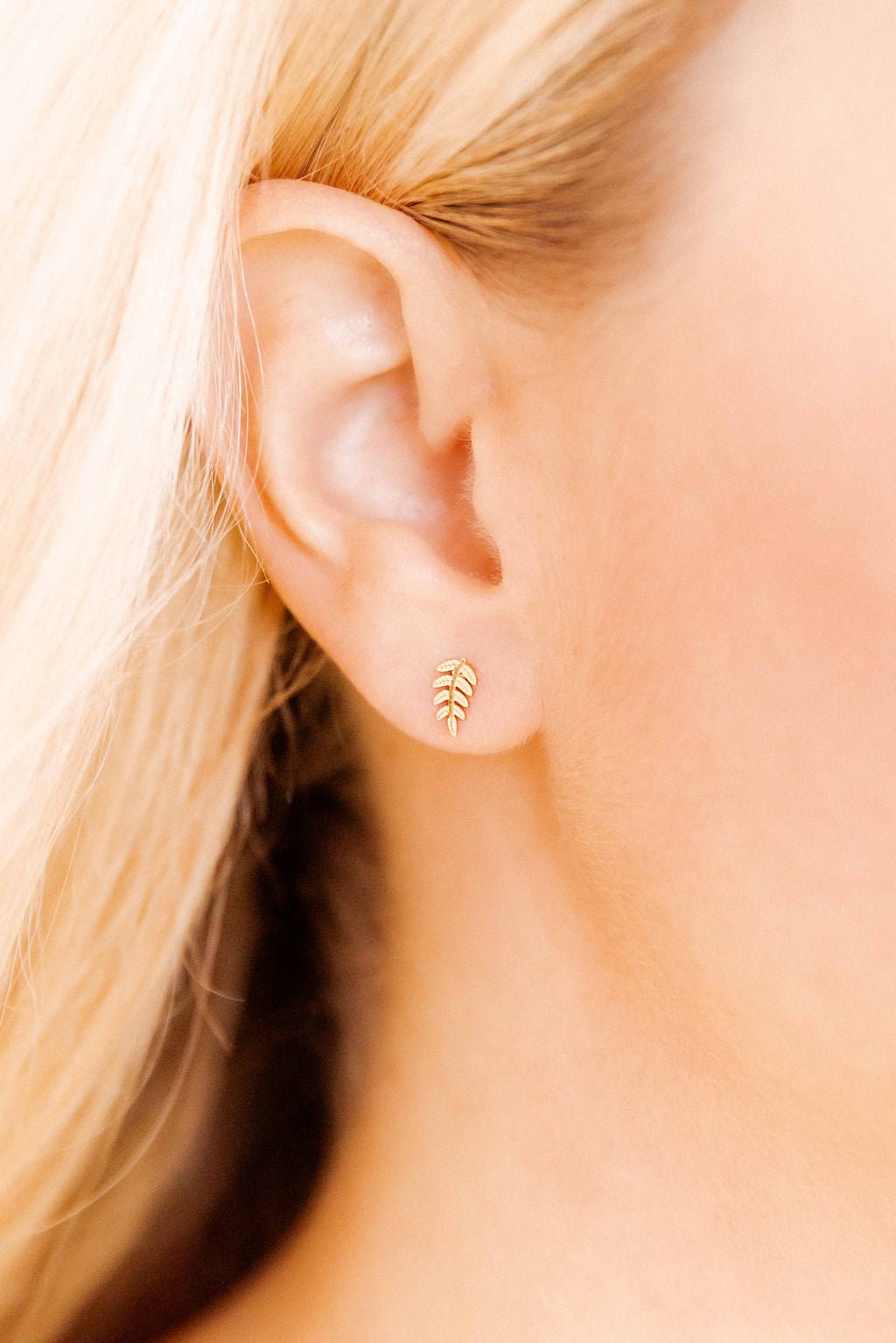
Gold flat back studs — 229 gold-toned styles.
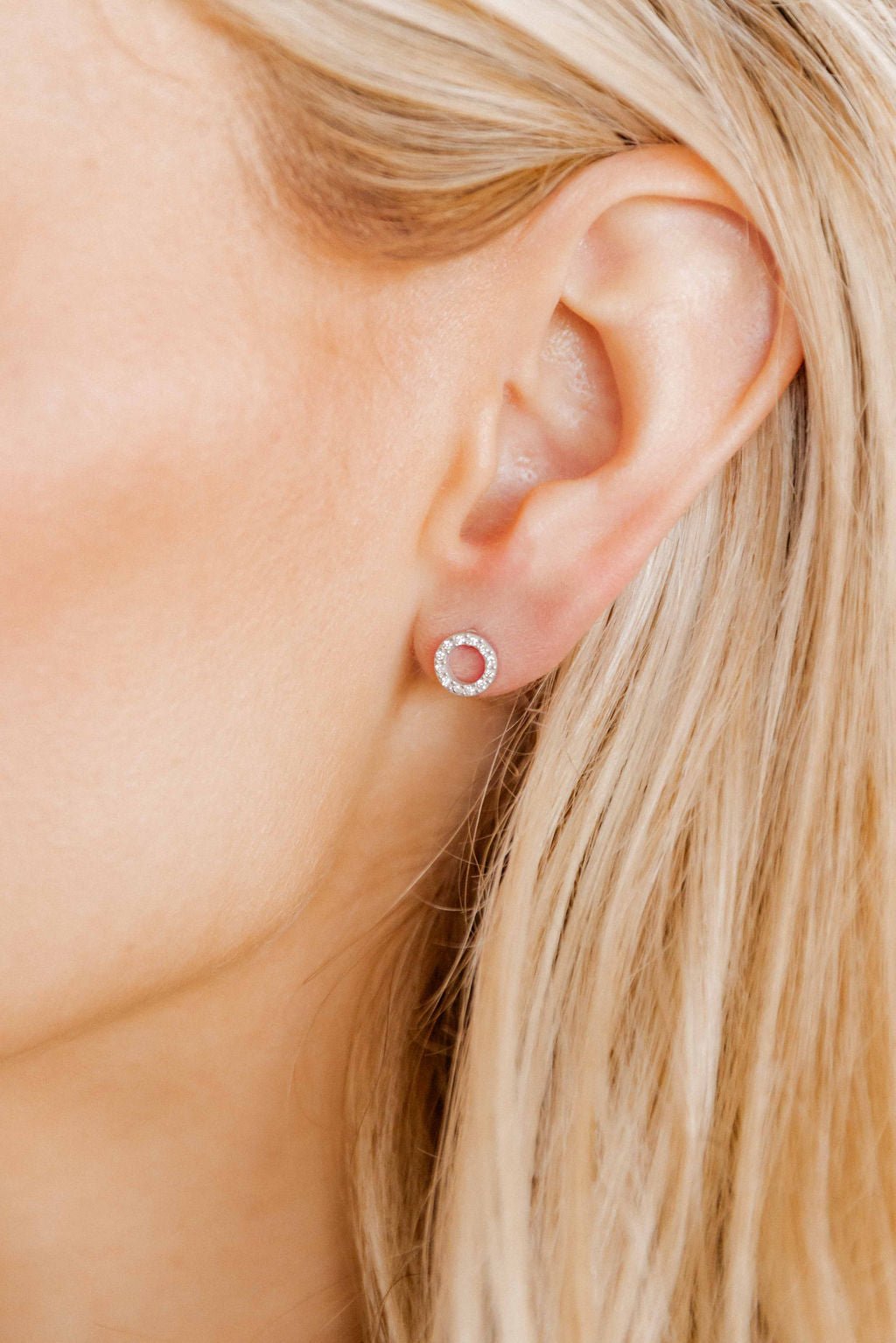
Silver flat back studs — 55 silver-toned styles. Not sterling, so nothing tarnishes.
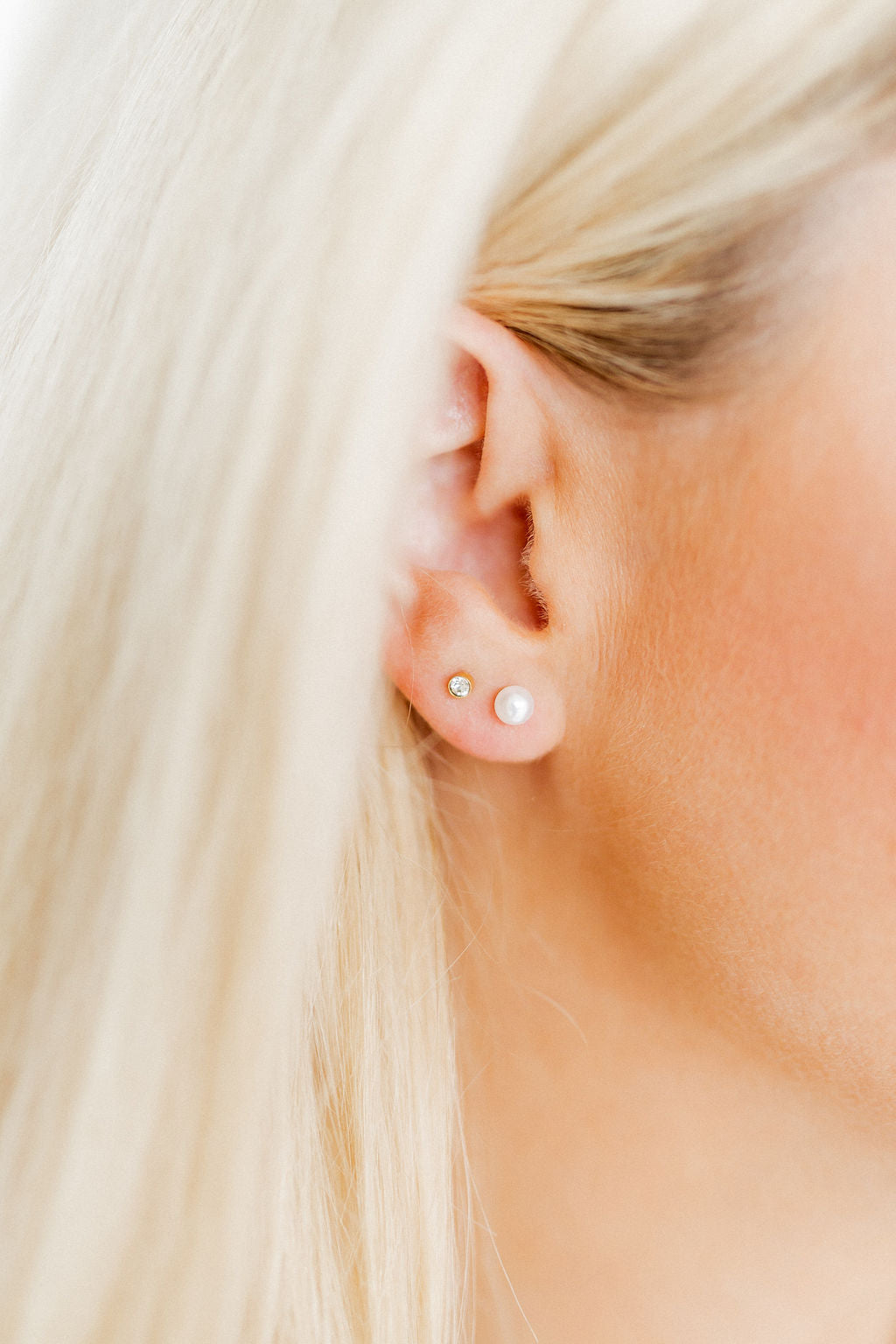
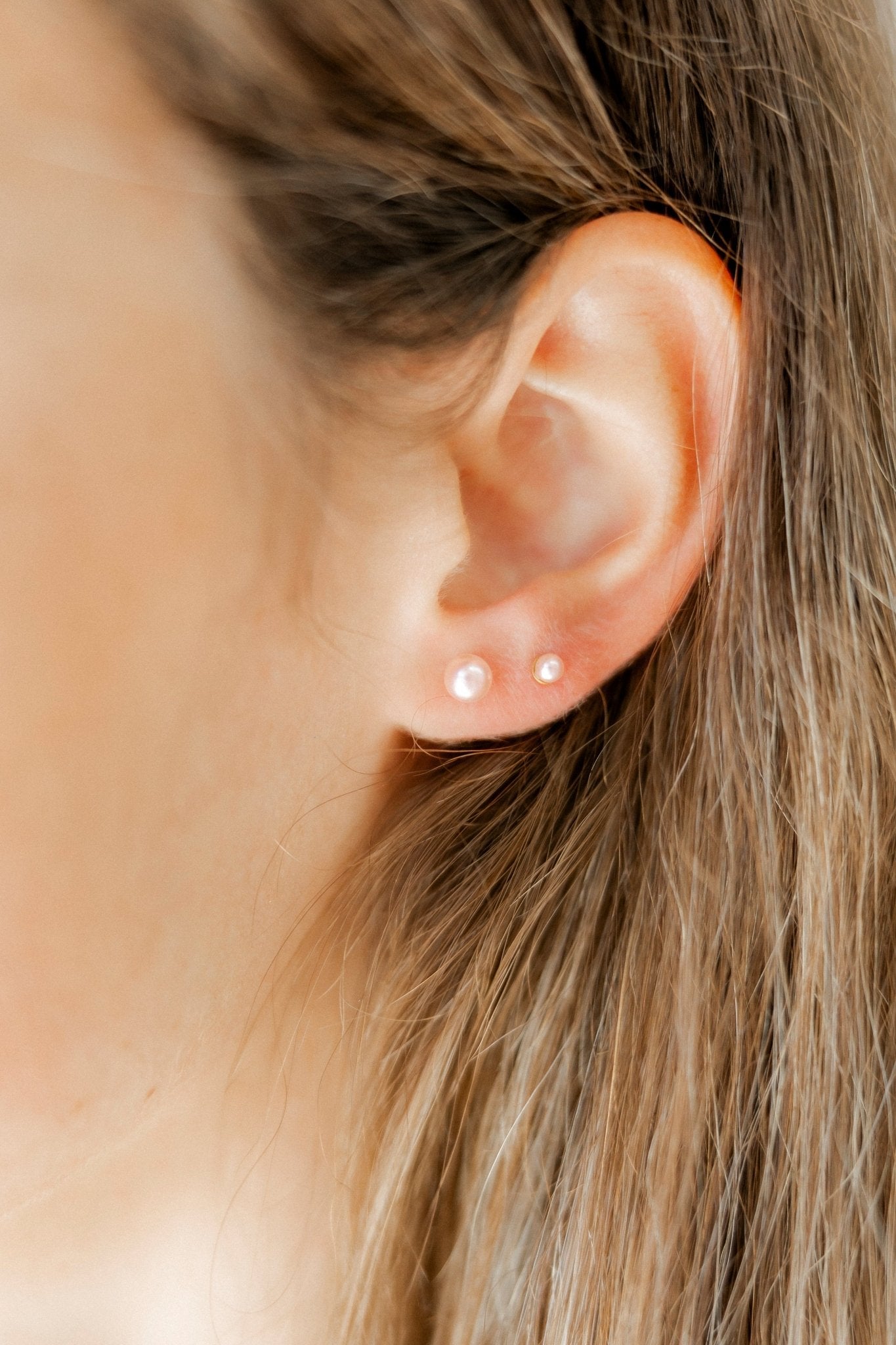
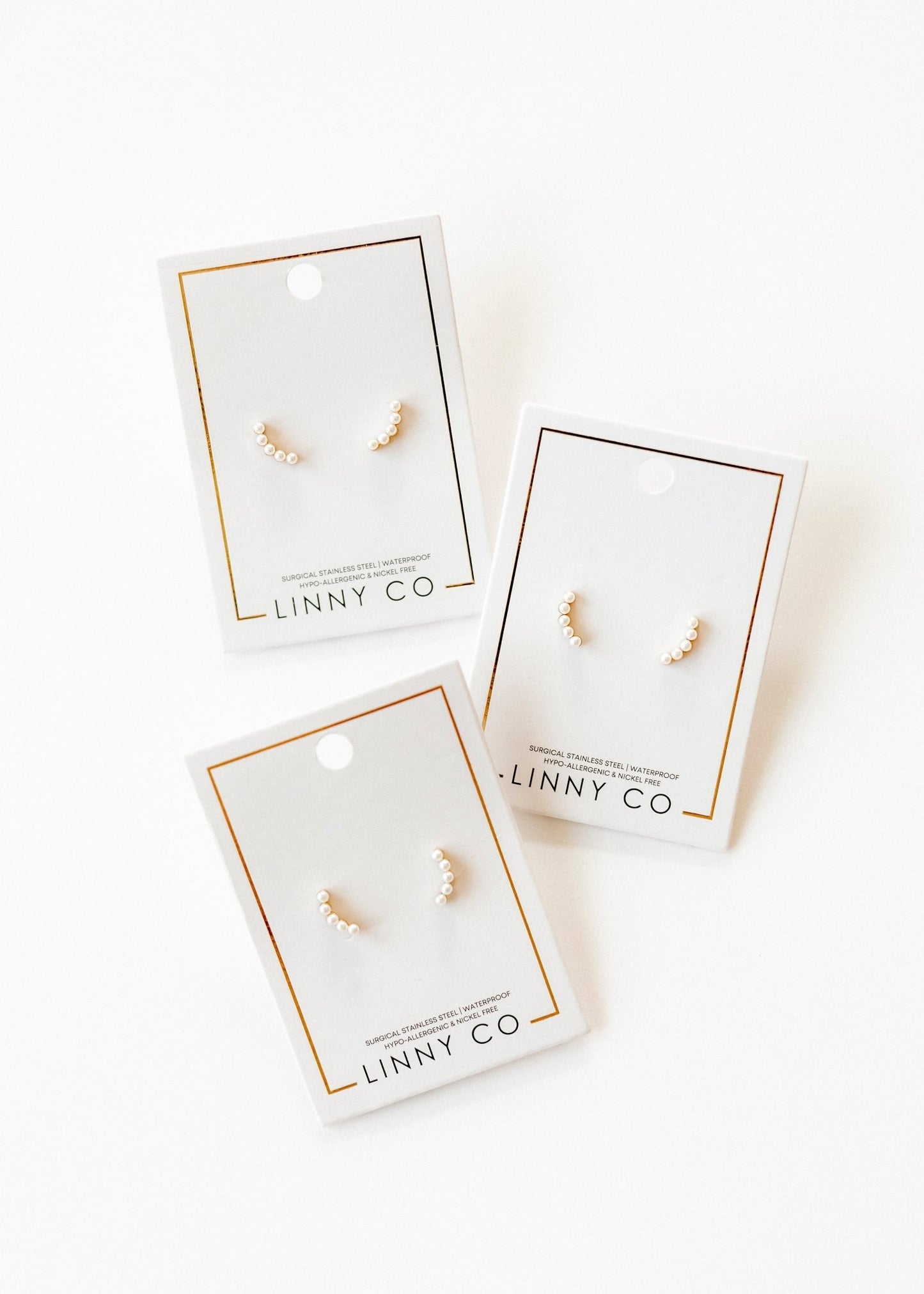
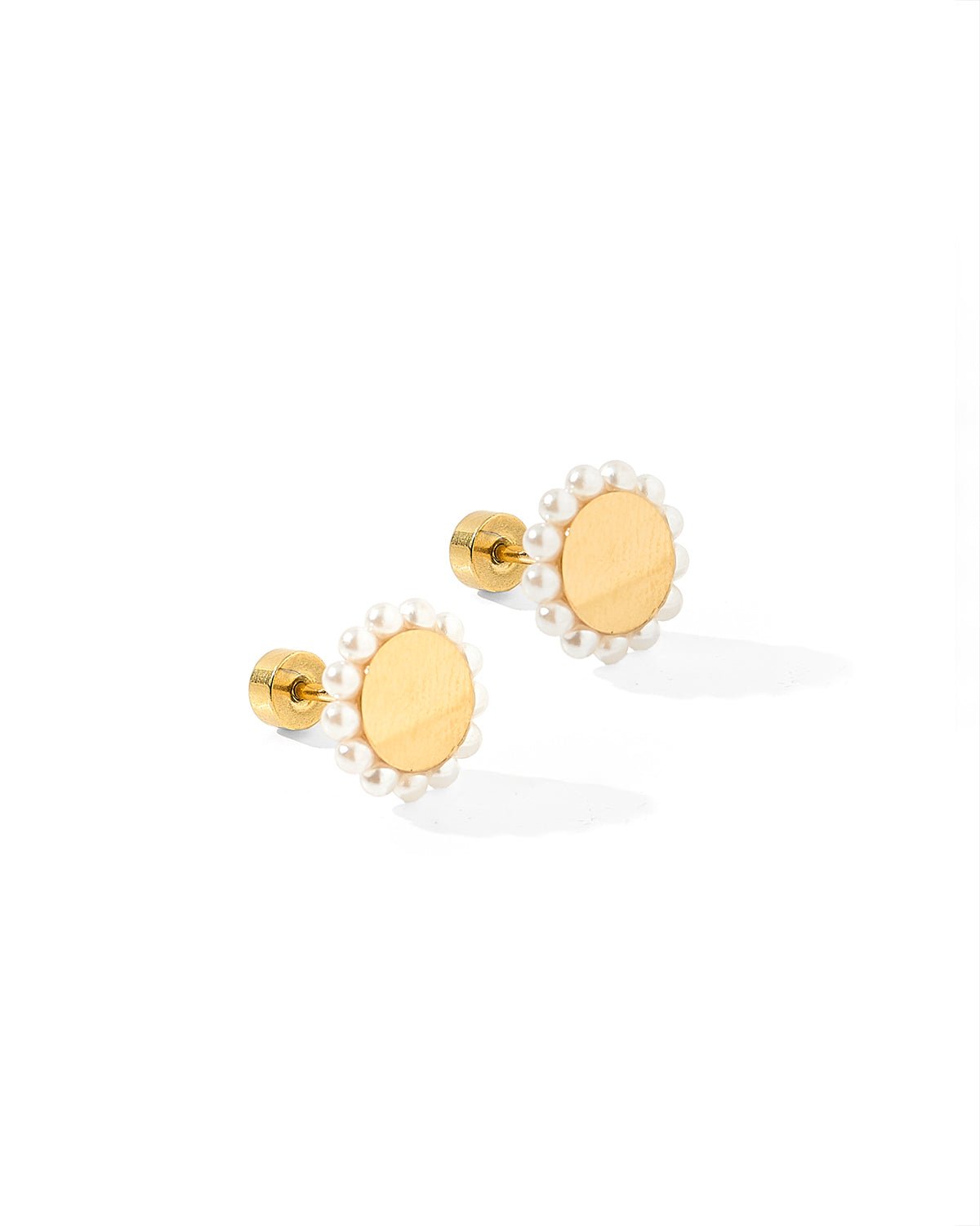
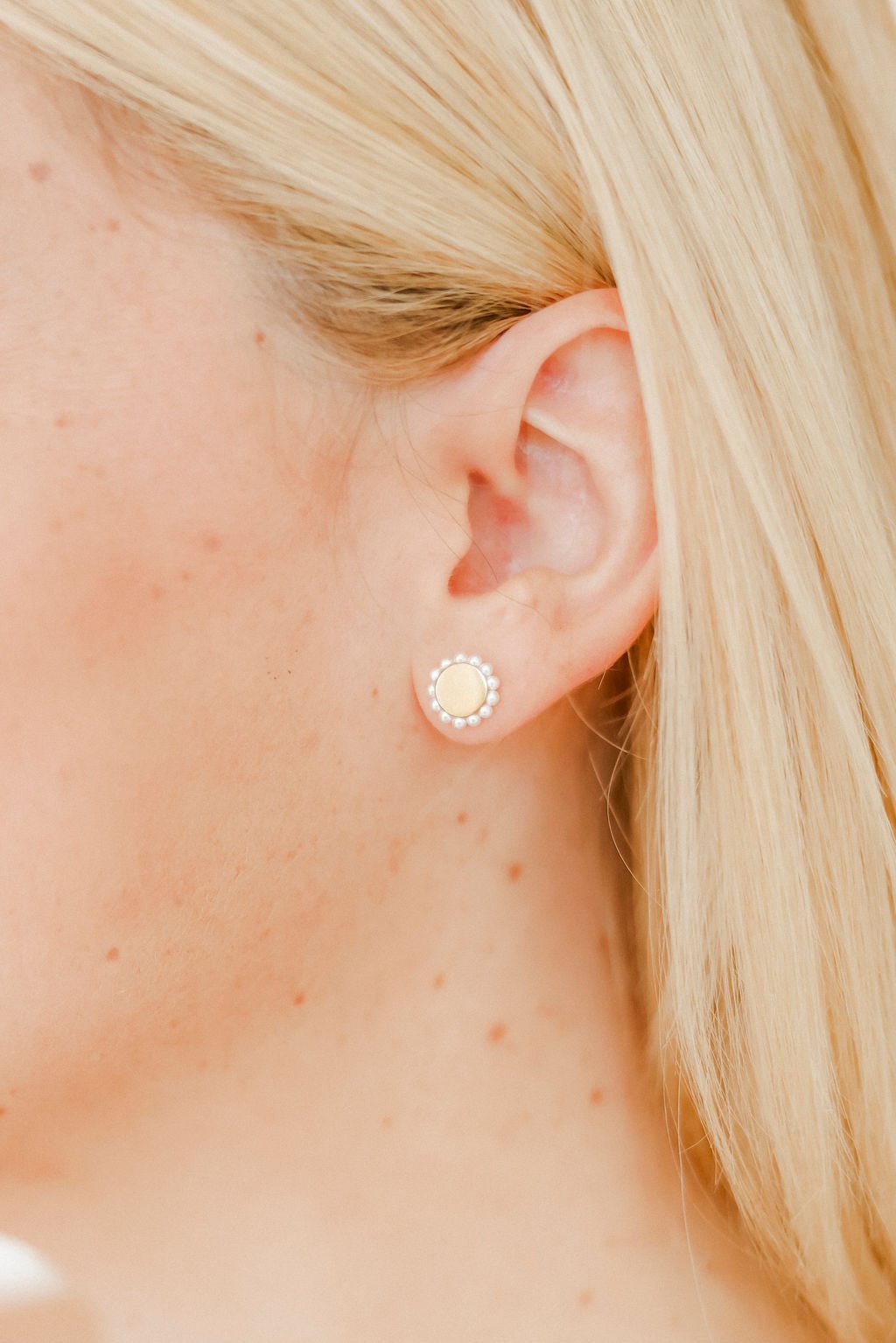
Pearl earrings — 36, of which 16 are screw back pearl studs.
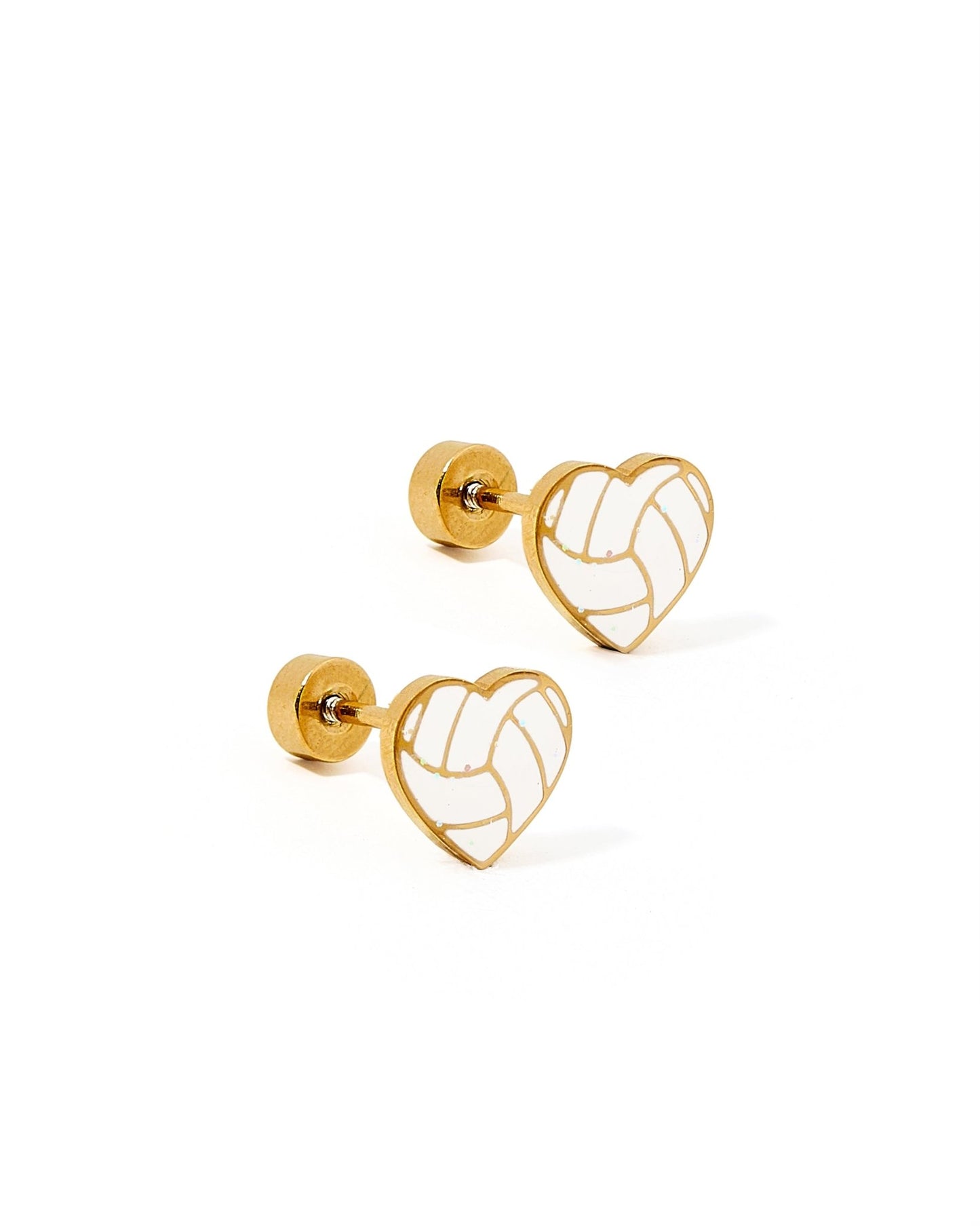
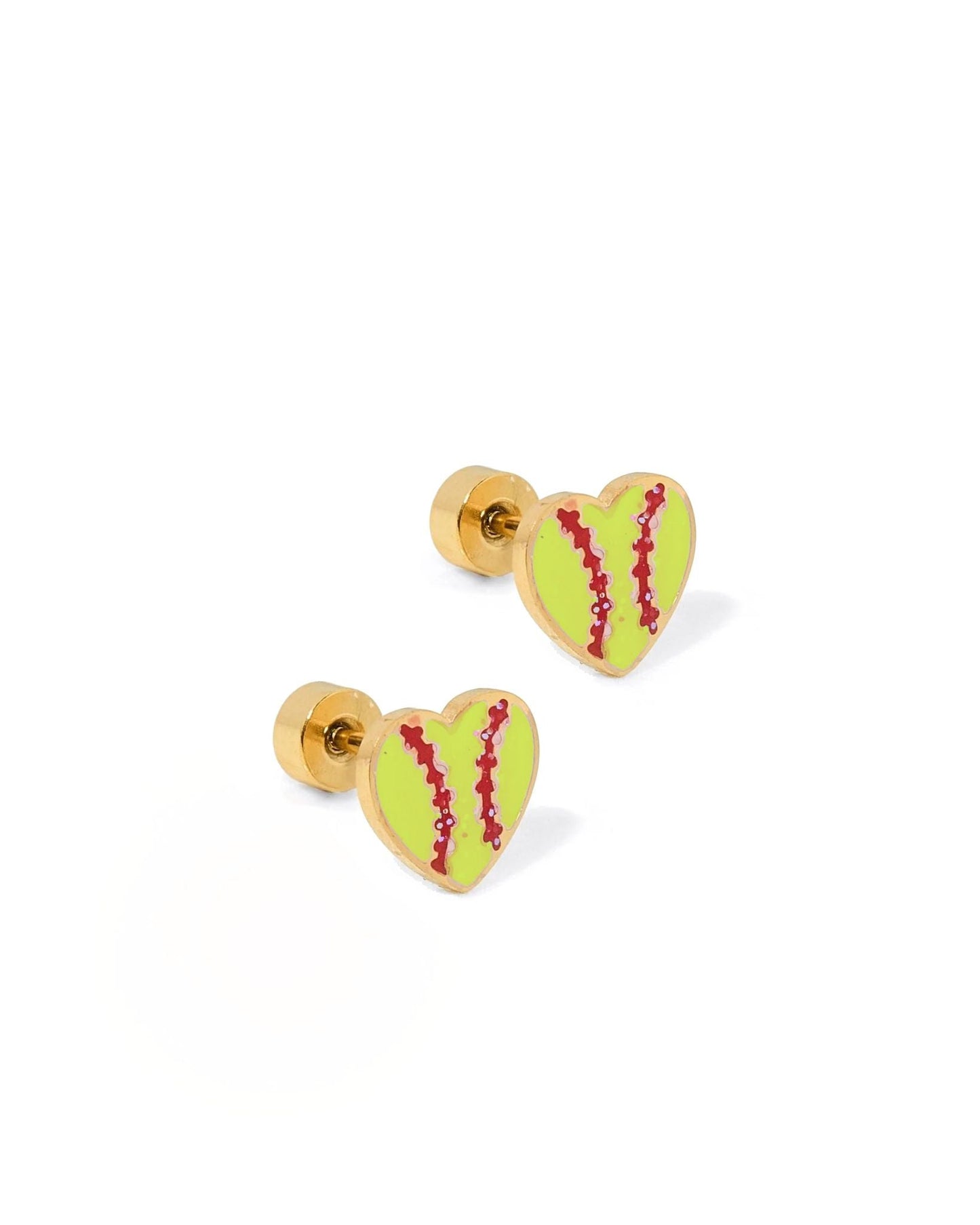
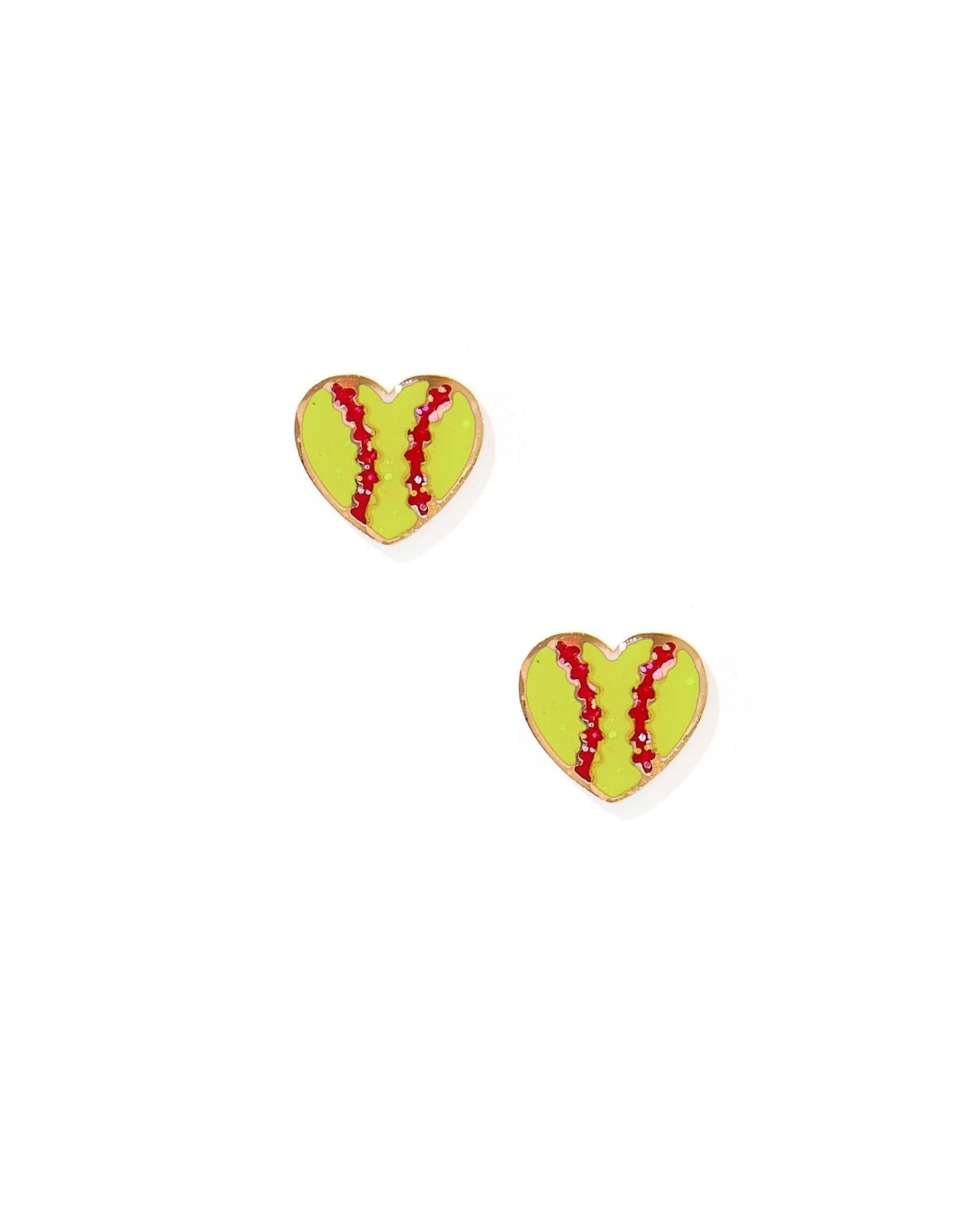
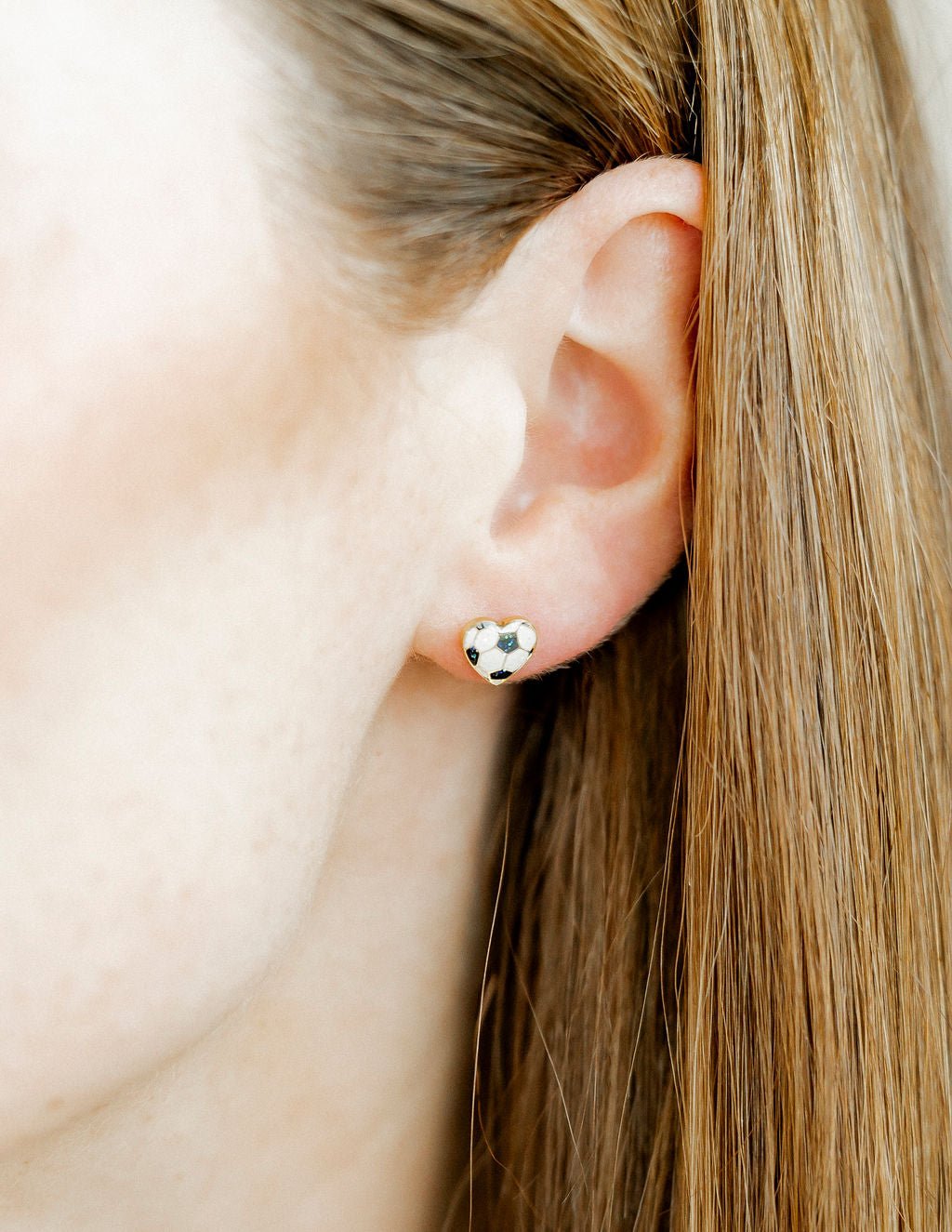
Sports earrings — 21 sport motifs for players, separate from team colours.
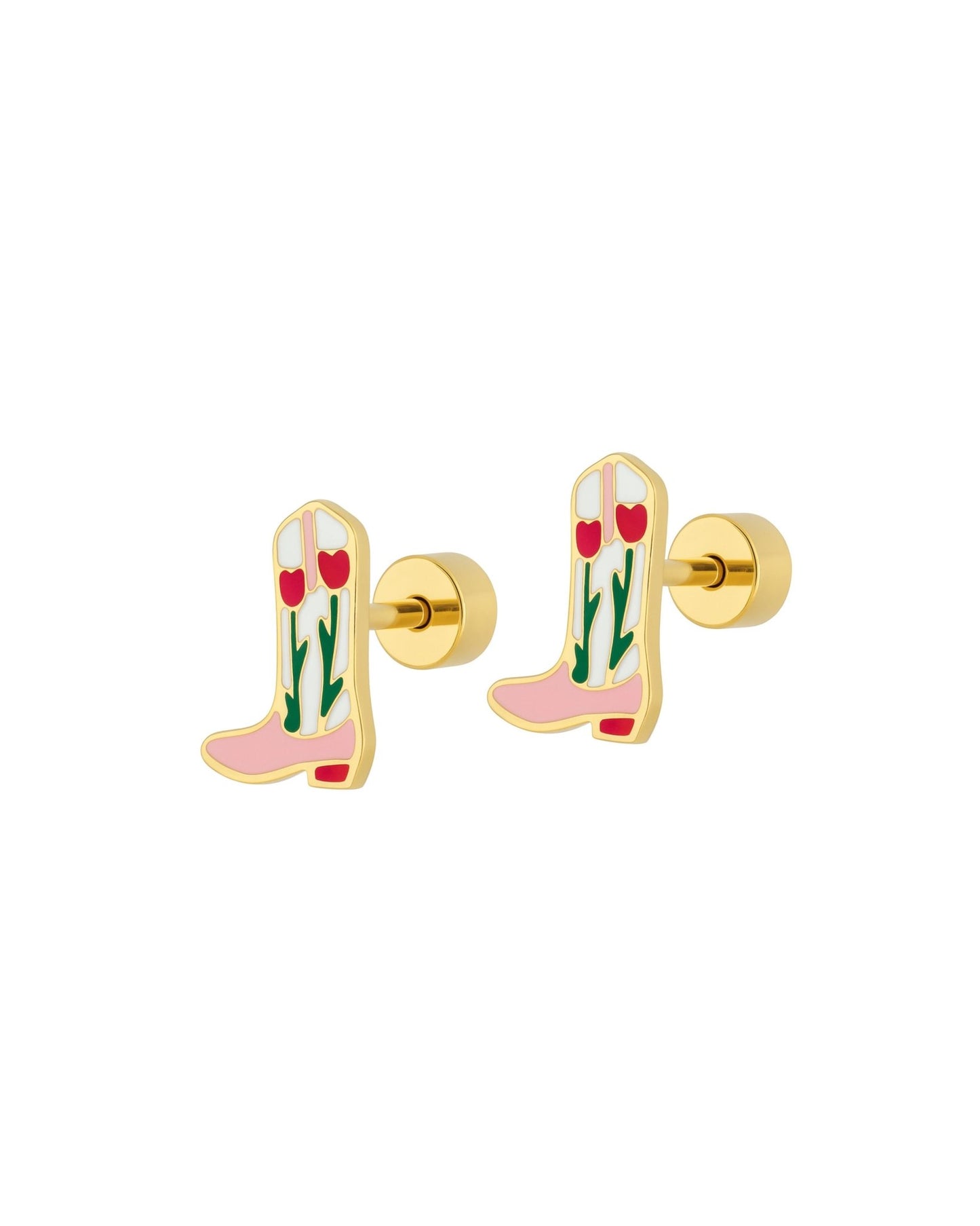
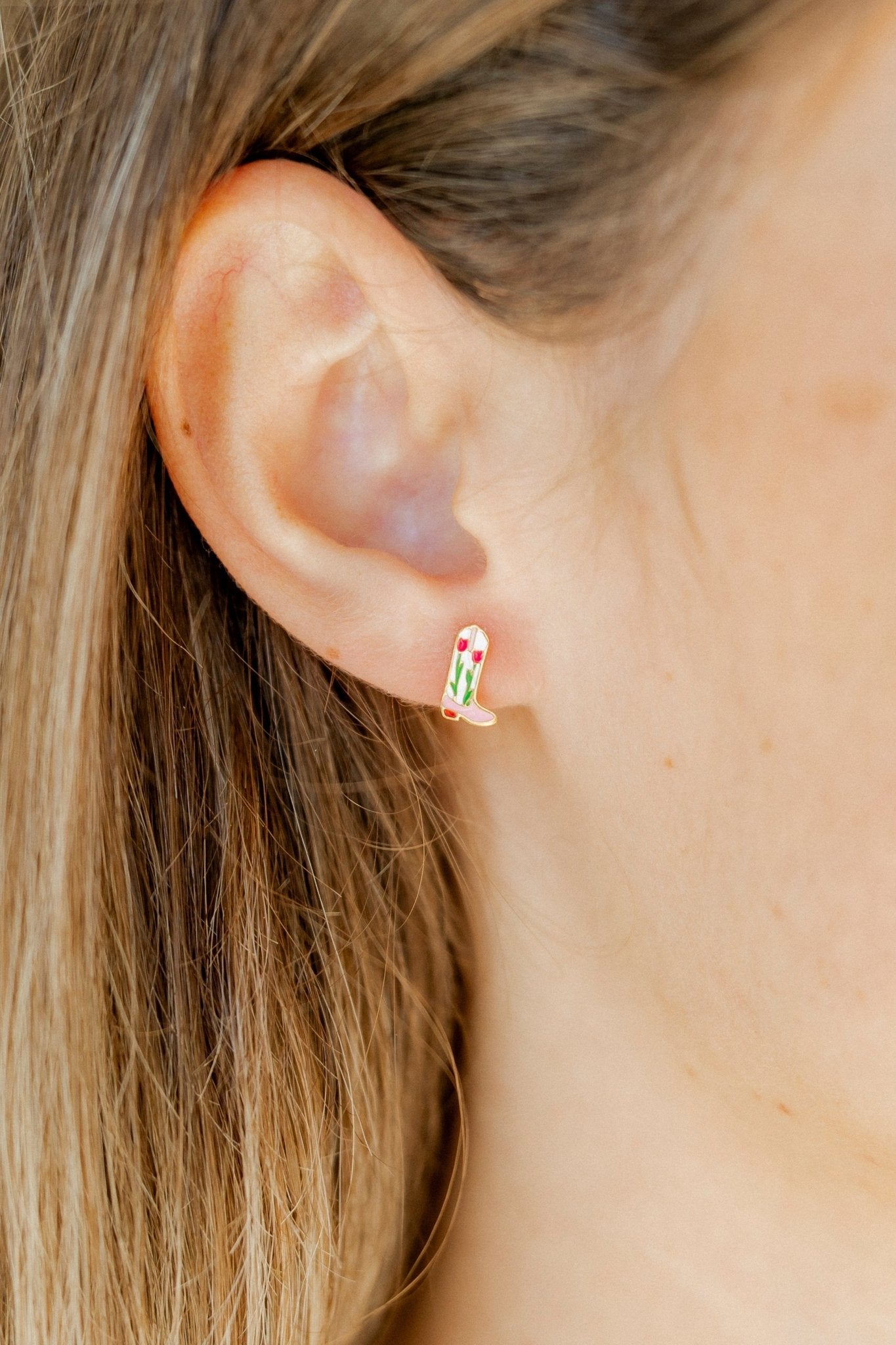
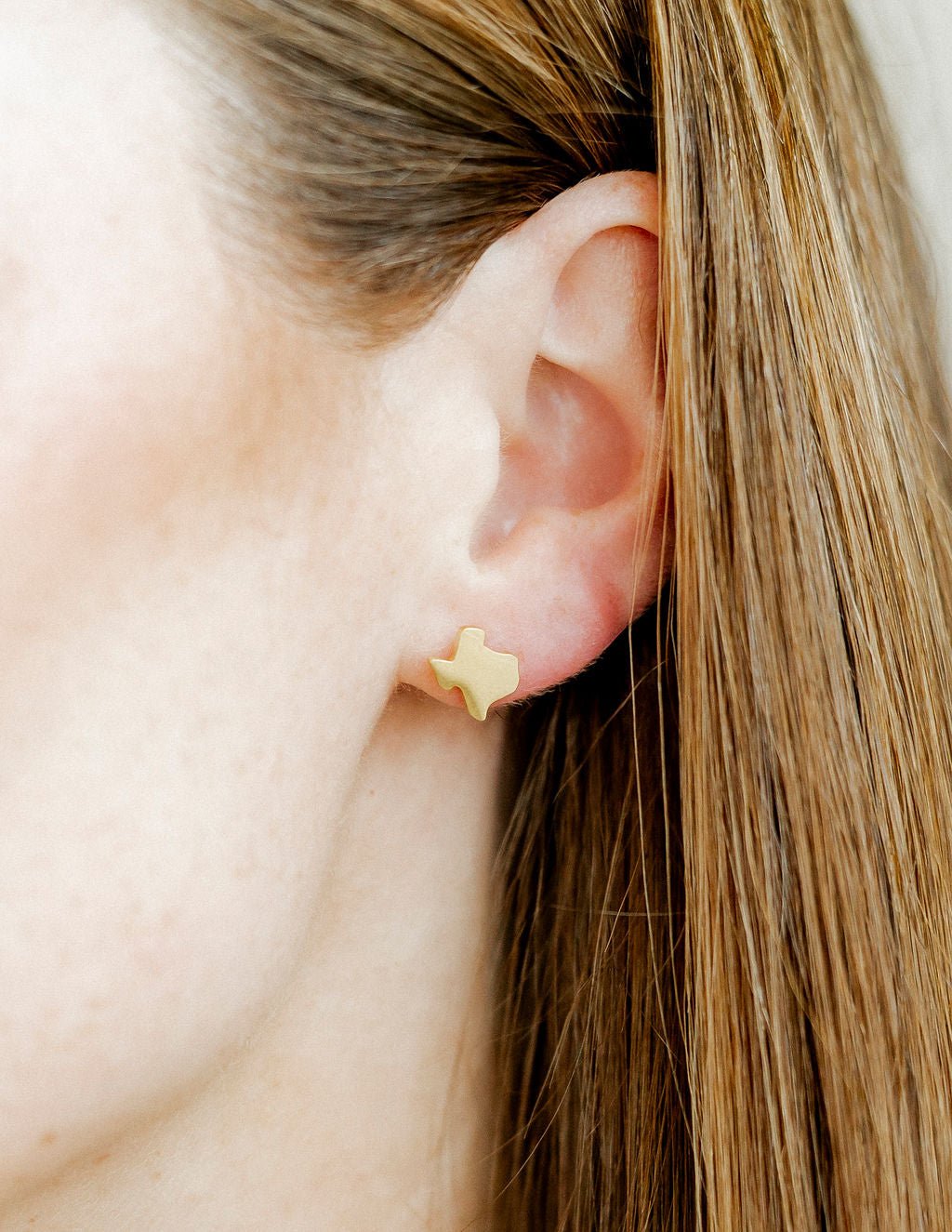
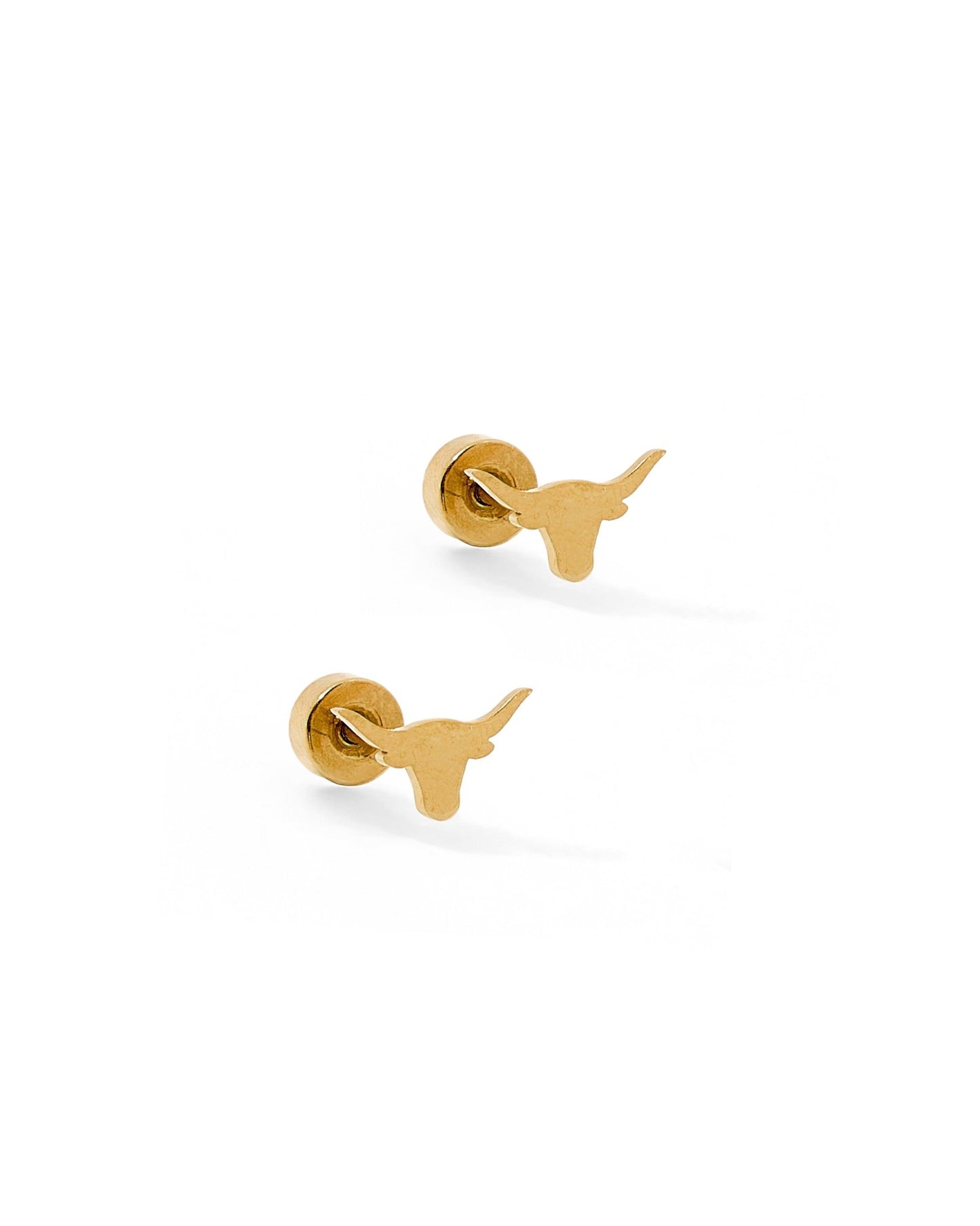
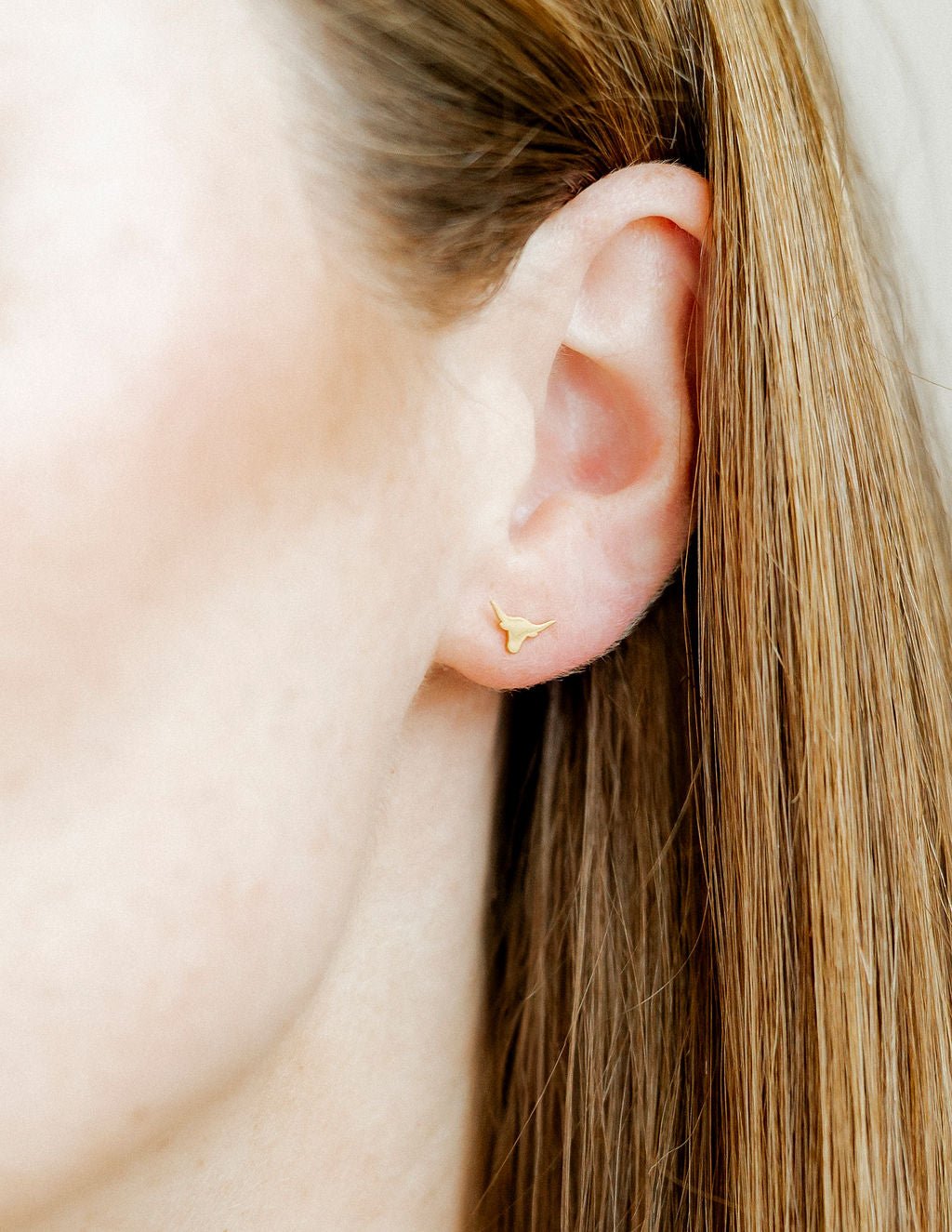
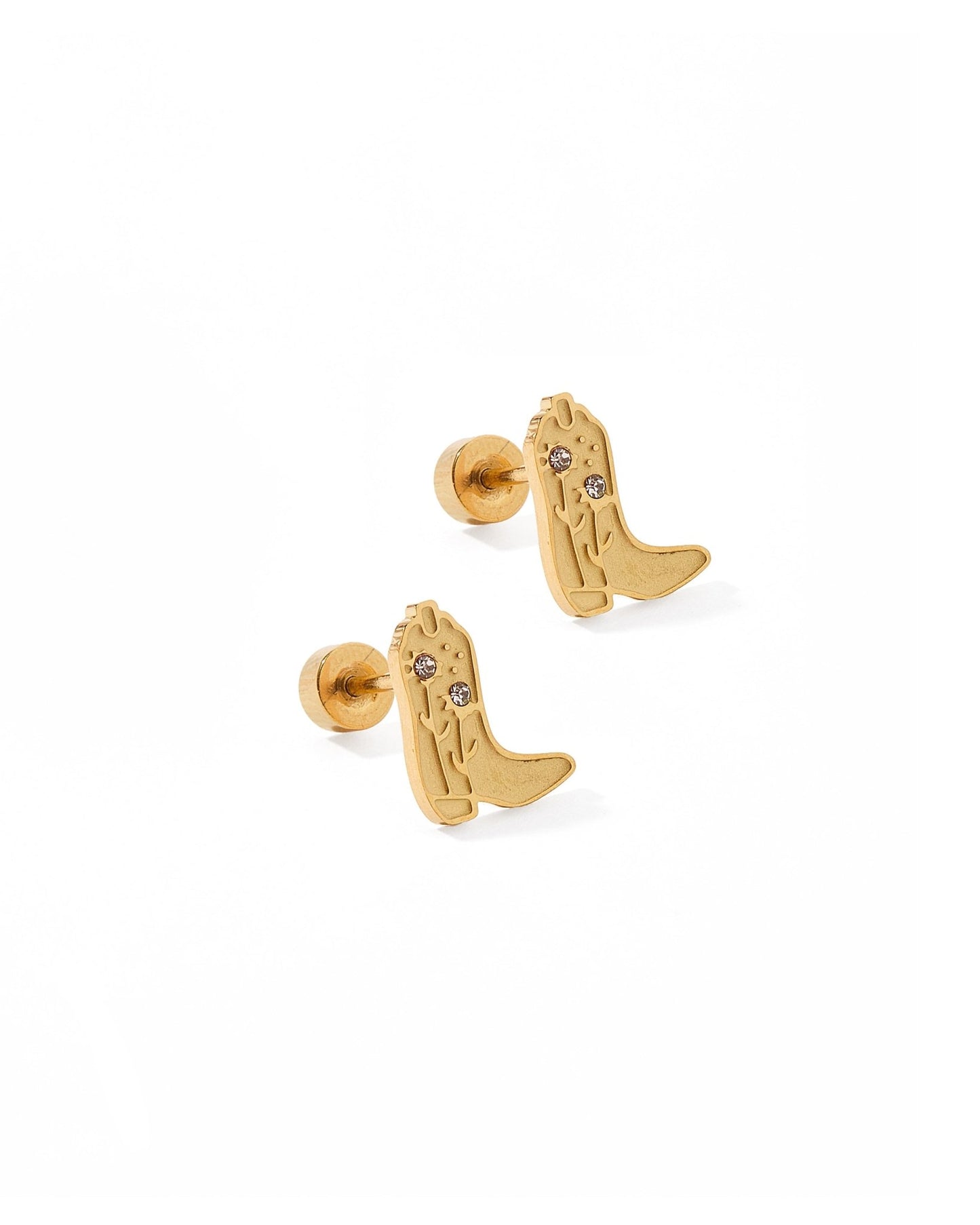
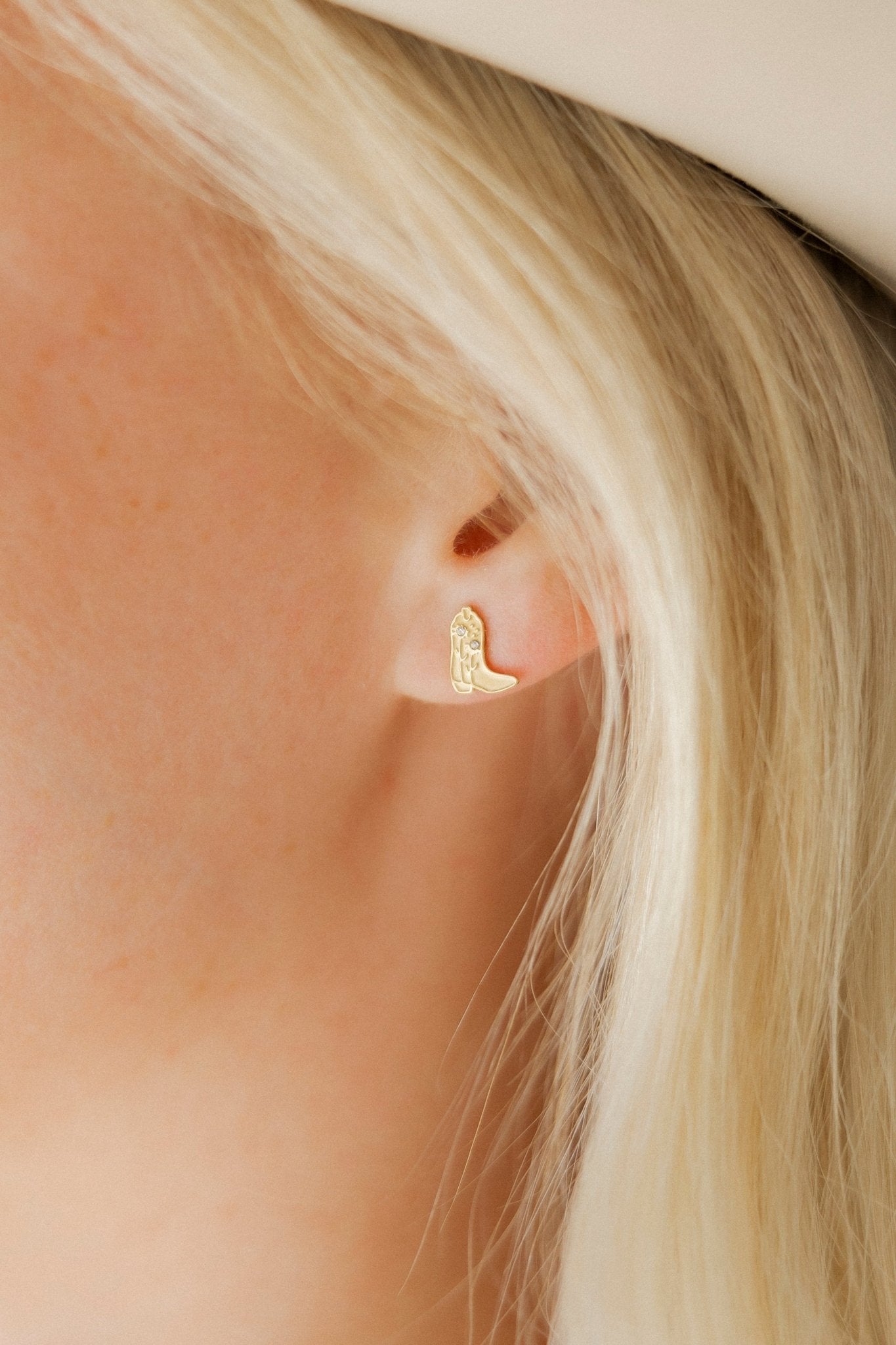
Western flat backs — 50 boots, steers, horseshoes and state silhouettes.
Coastal flat backs — 47 shells, starfish, dolphins and palms.
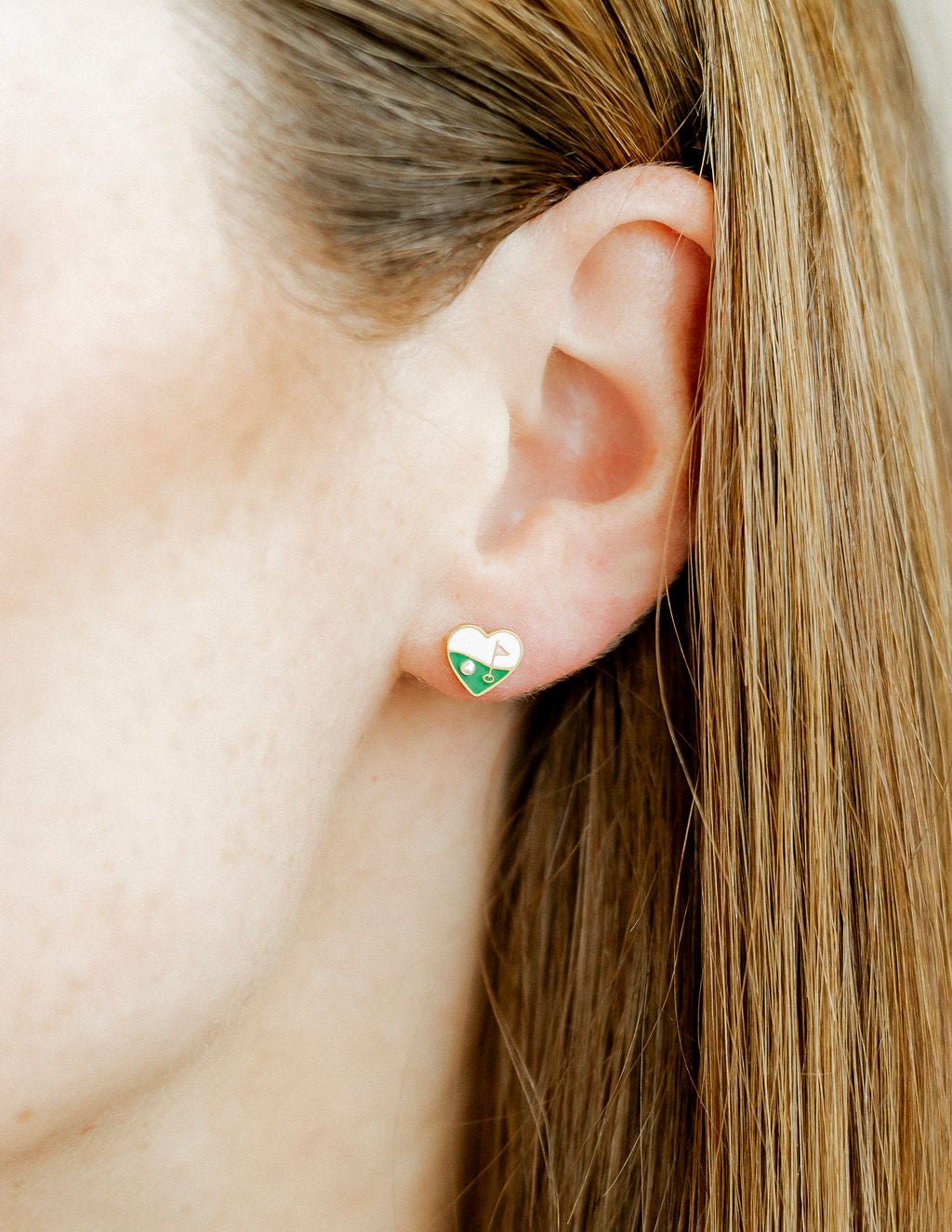
Game day flat backs — 34 team colours, state outlines and licensed logos.
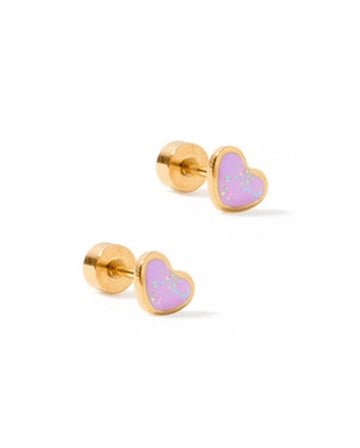
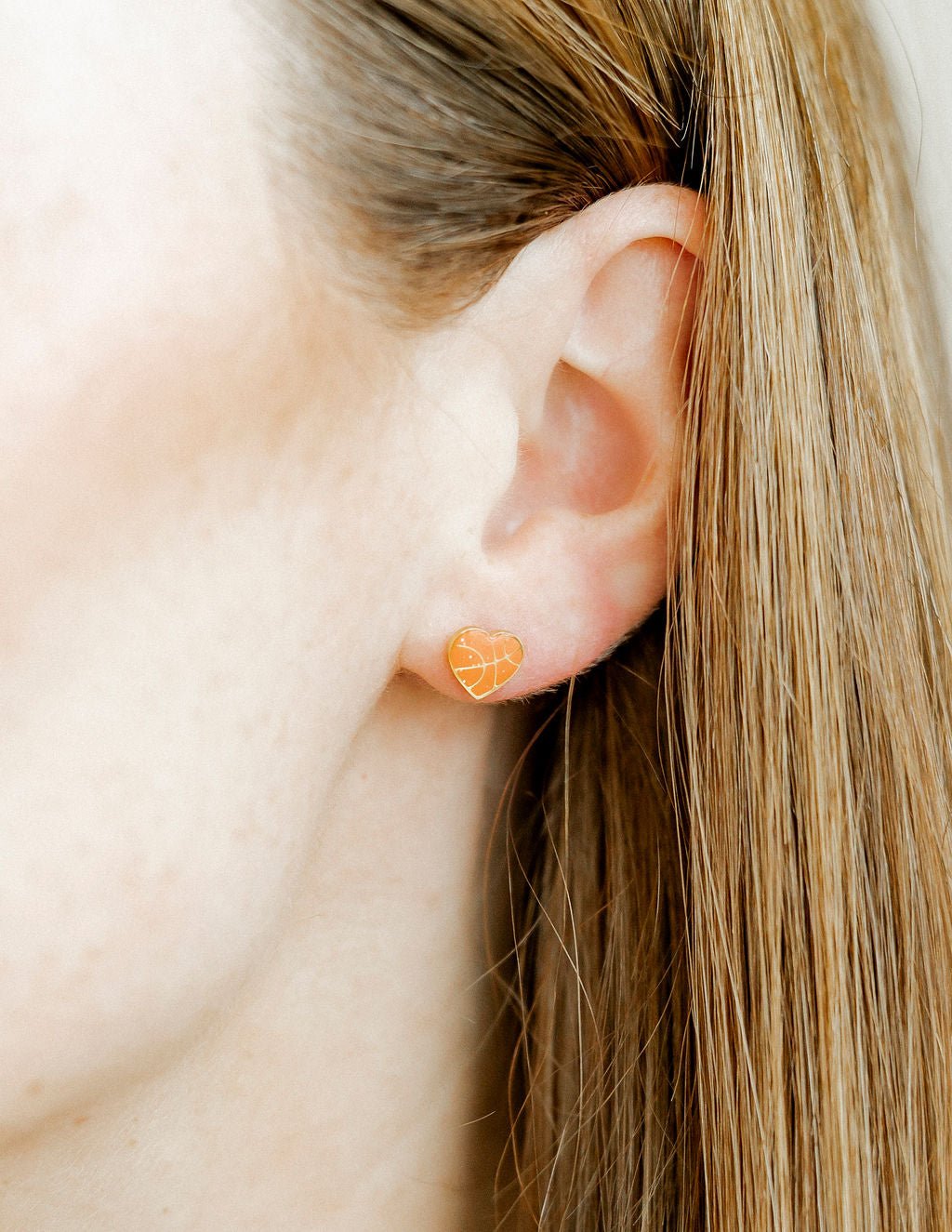
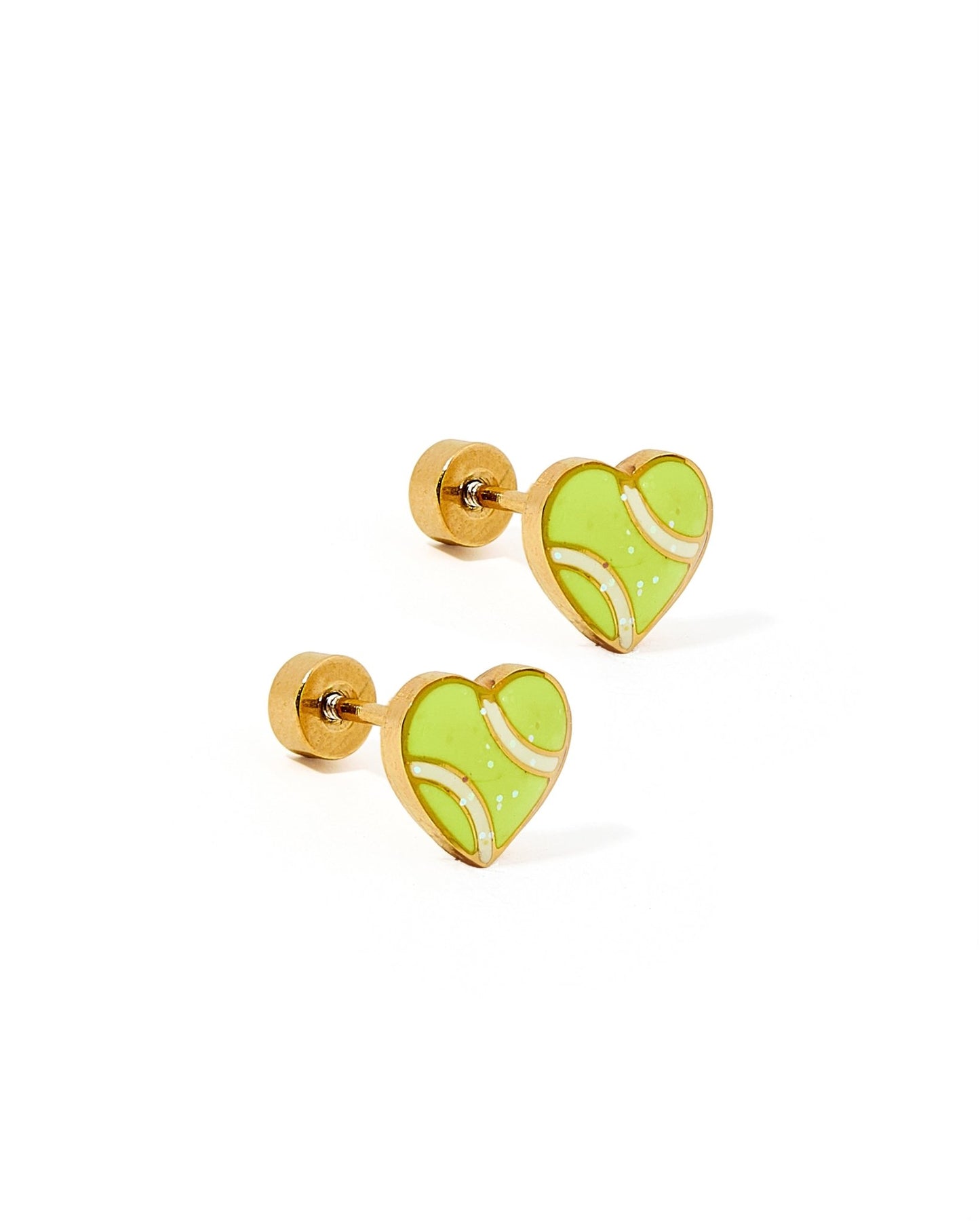
Enamel flat backs — 32 colour-filled designs.
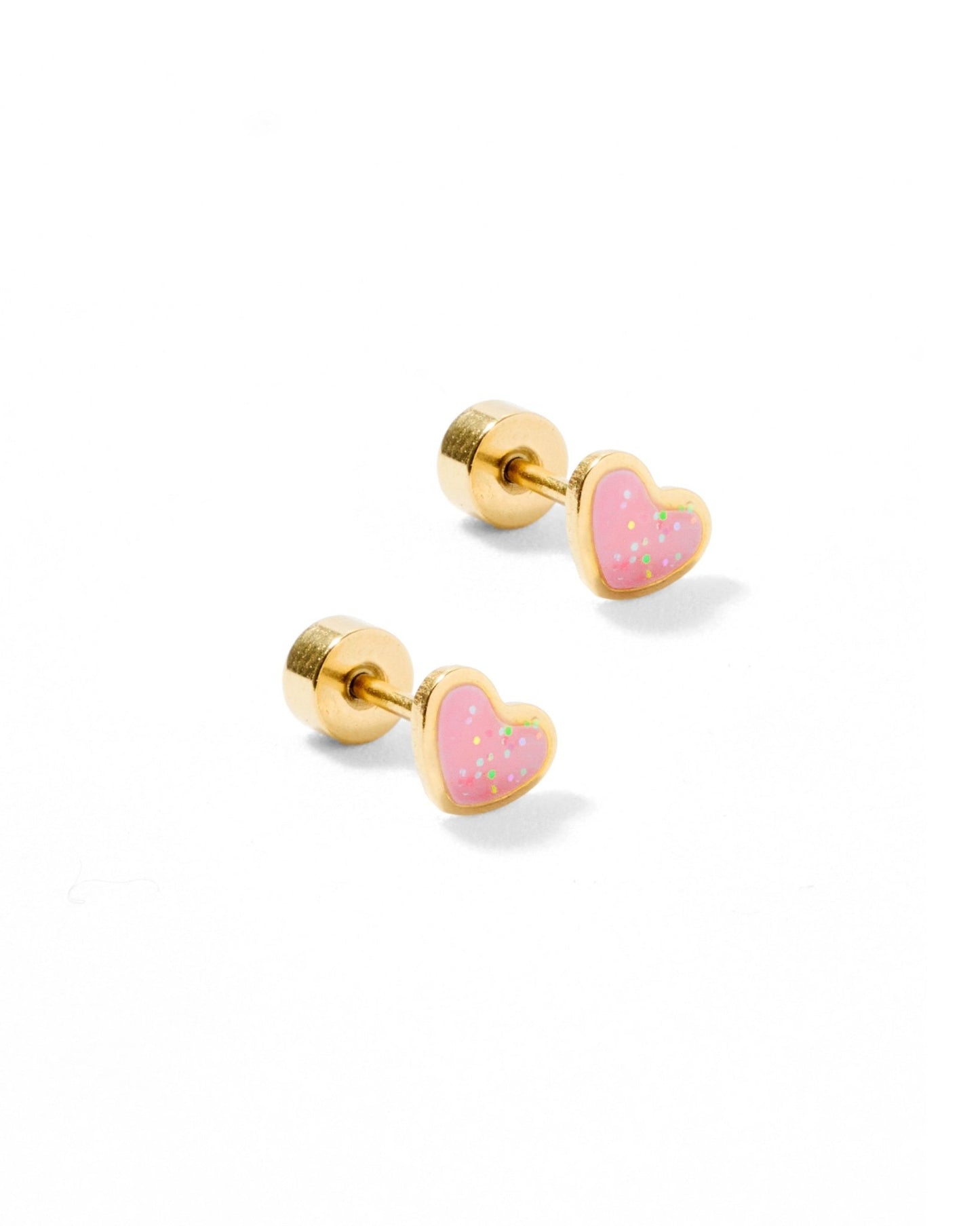
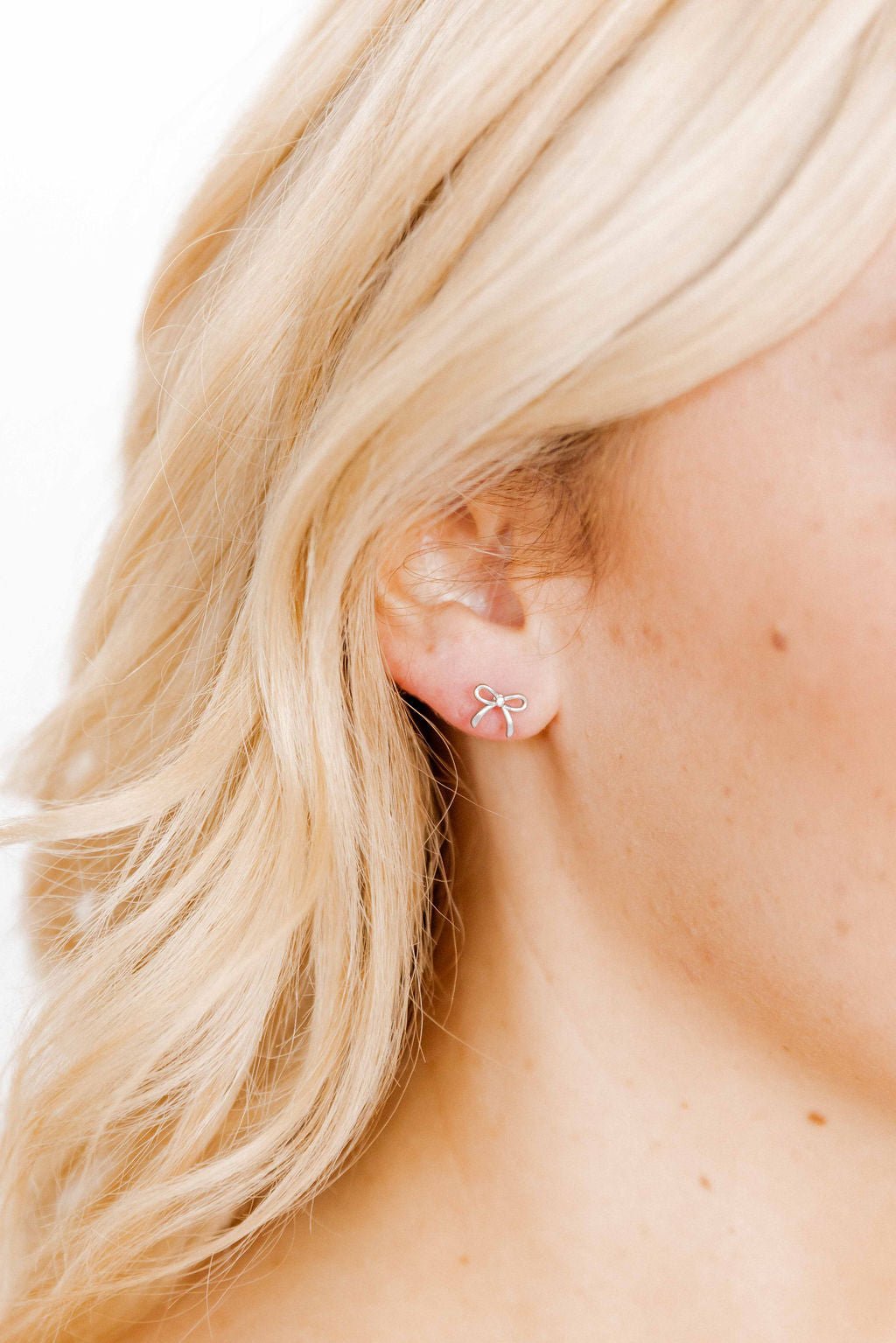
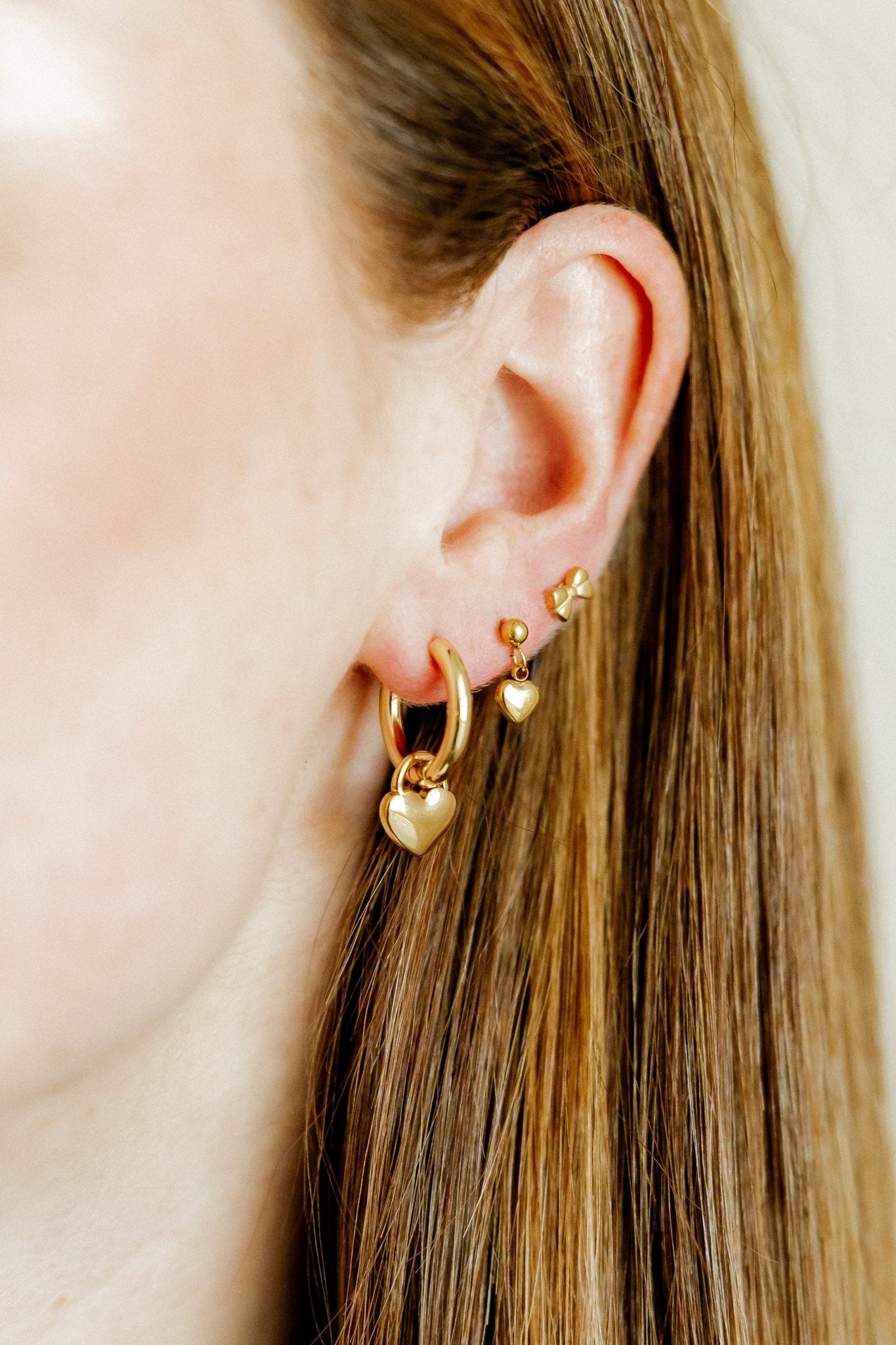
Cross and faith studs · Heart studs · Initial studs · Bow studs
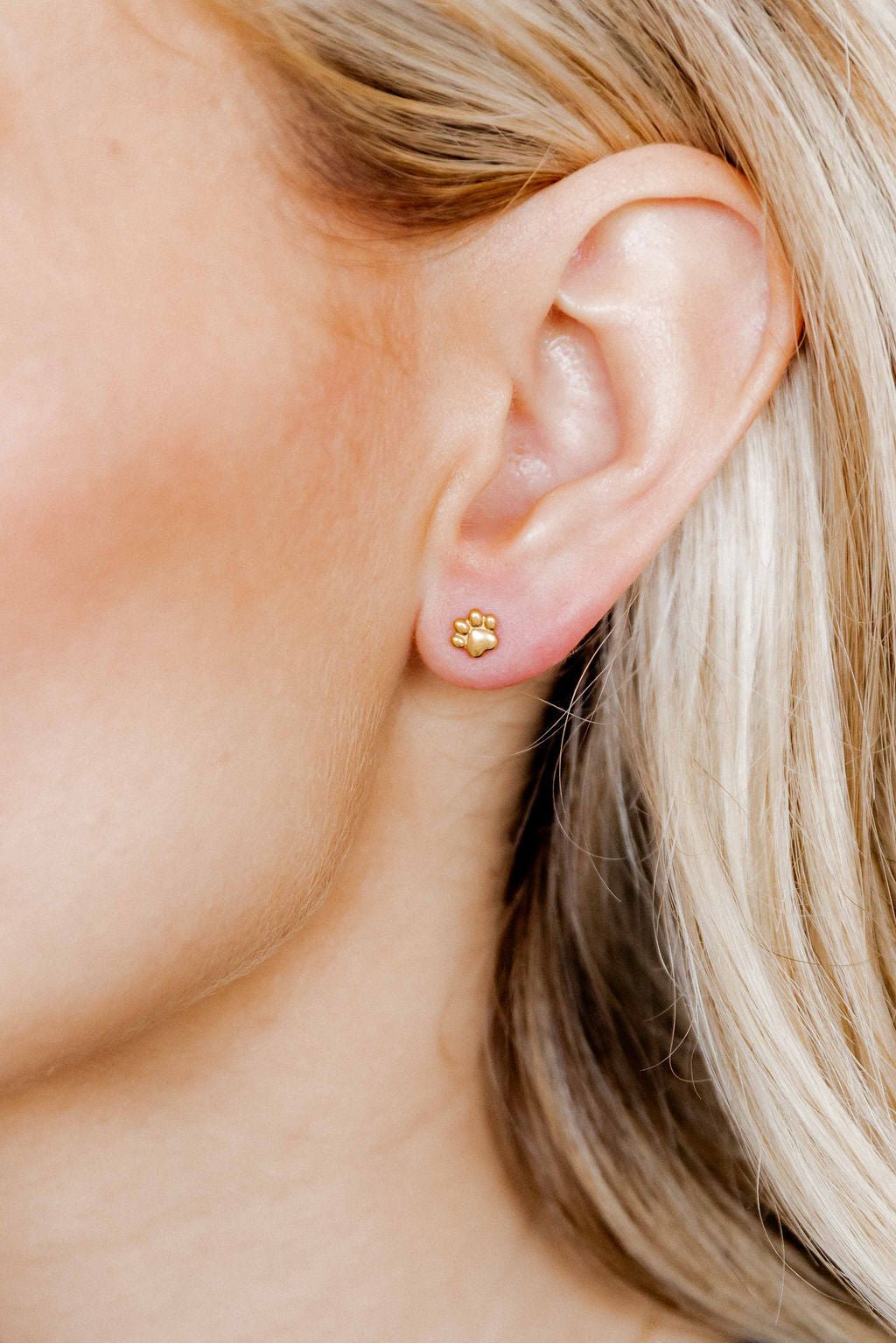
The 2mm difference matters more than it sounds. A 7mm post leaves a little room behind the lobe, which is what you want on a thicker lobe or one that still swells occasionally. The shorter 5mm Lux post sits tighter to the ear, which suits a thinner lobe and reads as more discreet.
Every style also lists its own motif size, finish and safety standard on the product page.
Further reading: what a flat back stud actually is, whether you can sleep and shower in them, and why we made them in the first place.
Screw backs are the core of it but not the whole of it — hypoallergenic waterproof jewelry takes in the huggies and the necklaces too.
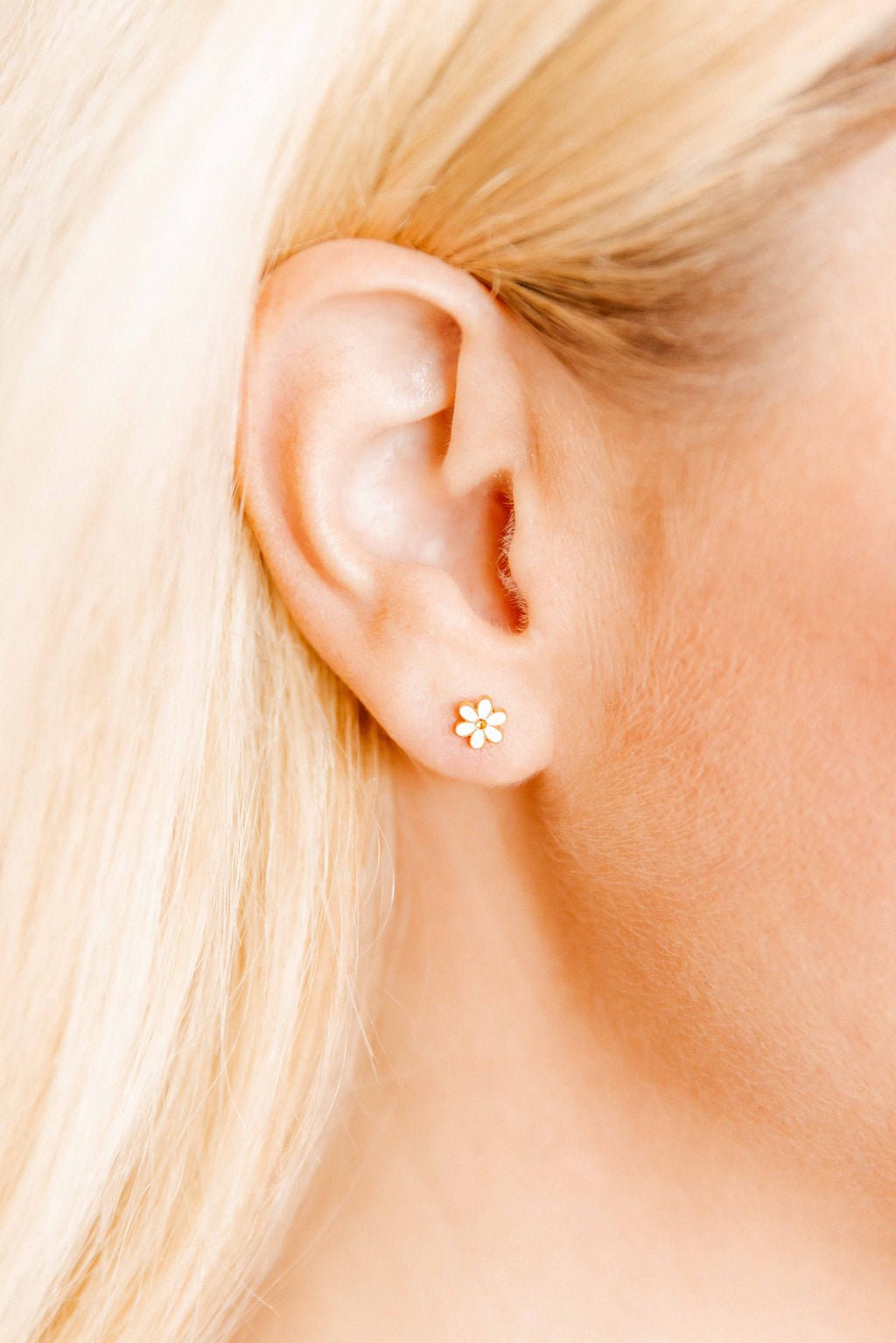
A flat back earring is a stud with a flat disc behind the ear instead of a butterfly clutch. The back sits flush against the lobe, so nothing protrudes, catches on clothing or presses into your head when you sleep. It is the most comfortable backing style for earrings worn continuously.
A screw back threads onto the post; a push back is pressed on by friction. Threaded backs do not loosen through a day of movement, showering or sleeping, which is why they are used for earrings meant to be left in. Push backs are easier to change quickly.
Yes — that is what the flat disc is for. With no clutch sticking out behind the lobe, there is nothing to press between your ear and the pillow. This is the single most common reason people switch to flat backs and stop taking their earrings out at night.
Screw backs are popular for children because the threaded post will not fall out during school, sport or swimming, and there is no loose clutch to drop or swallow. Every style in this collection is made to ASTM F2923-20, the US safety standard for children's jewelry, which sets limits on lead and cadmium content, nickel release and small parts.
Rarely, and less often than push-back studs. The post threads into the flat back rather than relying on friction, so ordinary movement does not loosen it. Check the thread is fully seated when you put them in, and give it a gentle turn if you have been rubbing at your ear.
Posts are 20 gauge — 0.8mm — which is the standard thickness a lobe is pierced at, so they fit the hole you already have. Length is 7mm on most styles; the Lux line uses a shorter 5mm post, which sits closer against a thinner lobe.